Hotel parking facilities are among the least sustainable elements of most properties — large expanses of impervious surface, high embodied carbon in concrete structures, energy-intensive lighting, and until recently, no meaningful contribution to the property’s sustainability goals. That calculation is changing. Forward-thinking hotel operators are transforming parking from a sustainability liability into a platform for renewable energy generation, EV infrastructure expansion, and stormwater management innovation.
This guide covers the full range of sustainable parking initiatives available to hotels: EV charging scale-out strategies, solar carport installations, sustainable surface and drainage design, and how these investments connect to brand sustainability certifications and guest expectations.
EV Charging Scale-Out: Moving from Amenity to Infrastructure
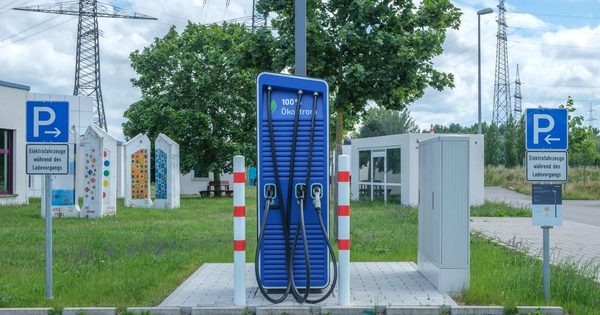
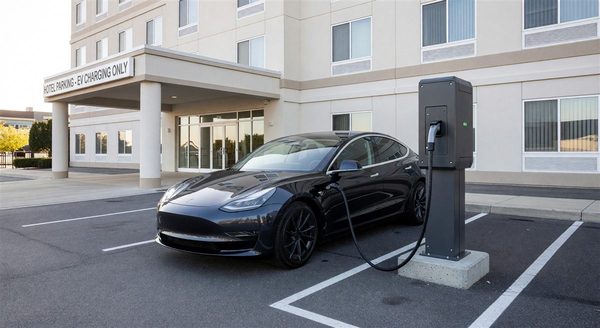
Early hotel EV charging deployments were often 2–4 stations positioned as premium amenities for EV-owning guests. As EV adoption has accelerated, properties with minimal charging capacity are discovering that demand exceeds supply — a situation that generates guest complaints and competitive disadvantage relative to hotels that have invested more deliberately.
The 2024 market reality for hotel EV planning:
- EV adoption in new vehicle sales exceeded 8% nationally in 2023, with significantly higher rates in coastal markets
- Travelers in EVs increasingly factor charging availability into hotel selection, particularly on highway routes
- Brand standards from major hotel companies are establishing minimum charging stall requirements tied to property size
Planning for scale: Properties that installed 4–8 Level 2 chargers in 2020–2022 should reassess capacity needs against current booking data. If chargers are consistently at full utilization (95%+ occupied during evening/overnight hours), expansion planning should begin immediately — electrical infrastructure lead times and permitting can take 6–12 months.
The infrastructure first-mover advantage: Retrofitting electrical infrastructure for 40+ EV stalls in an existing parking structure costs substantially more than planning for that capacity upfront. Properties undergoing parking structure renovations should install electrical conduit, junction boxes, and panel capacity for 15–25% EV-ready stalls even if only 5% are initially equipped with chargers. The incremental cost of “EV-ready” infrastructure versus fully equipped is typically $500–$1,500 per stall versus $8,000–$25,000 per stall if infrastructure must be added later.
DCFC consideration: DC fast chargers (50–350 kW) enable 20–45 minute charging sessions — appropriate for highway-adjacent hotels, airport properties, and high-dwell-time resort destinations. DCFC requires significant electrical infrastructure (dedicated utility transformer in some cases) and generates utility demand charges. The economics favor DCFC primarily at properties where guests arrive with depleted batteries and need rapid partial charging rather than overnight full-charge.
Solar Canopy Installations
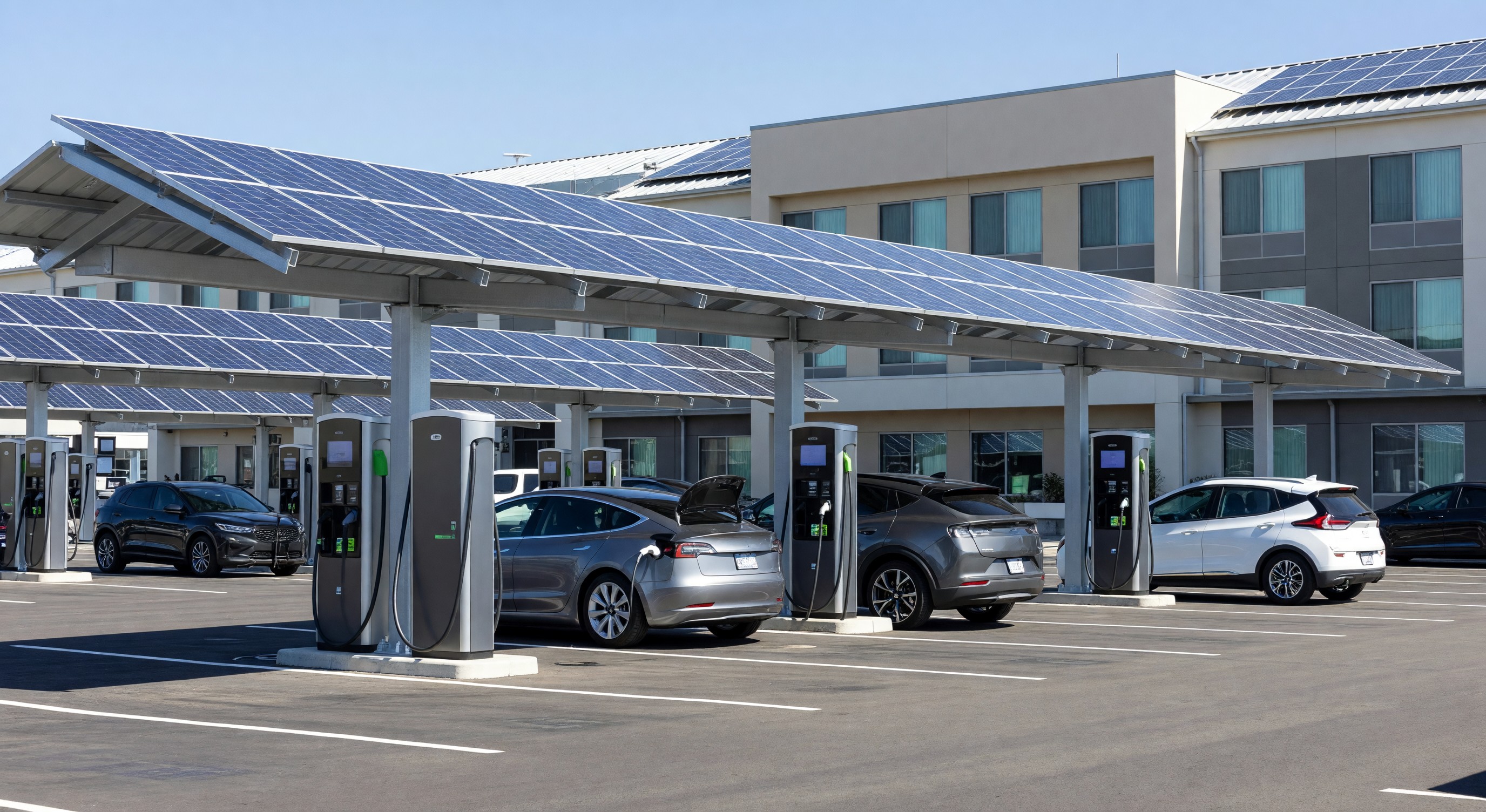
Surface parking lots — typically covering 20–50% of suburban hotel land area — represent substantial solar generation potential. Solar carport systems (also called solar canopy or solar canopy parking) mount photovoltaic panels on overhead structures above parking stalls, generating renewable electricity while simultaneously providing shade that reduces vehicle interior temperatures (a guest amenity in hot climates).
Economics of hotel solar carports: Federal Investment Tax Credit (ITC) under the Inflation Reduction Act provides a 30% tax credit for commercial solar through 2032. Combined with MACRS 5-year accelerated depreciation, the after-tax cost of solar carport systems is significantly reduced. Many hotel properties achieve 5–8 year simple paybacks on solar carport installations that then generate zero-fuel-cost electricity for 25–35 years.
A typical calculation for a 100-stall surface lot solar carport in a 5-peak-sun-hour market:
- 100 stalls × 2 panels per stall × 400W = 80 kW system
- Annual generation: approximately 120,000 kWh
- At $0.12/kWh blended electricity cost: $14,400 annual value
- System cost before incentives: $180,000–$250,000
- After 30% ITC: $126,000–$175,000
- Simple payback: 8–12 years (shorter in high-electricity-cost markets)
Solar carport installations also connect to sustainability certifications. LEED for Operations and Maintenance and Green Key certifications award points for on-site renewable generation.
EV charging integration: Solar carport systems are frequently co-located with EV charging infrastructure — the parking canopy structure houses both the solar panels and the EVSE wiring conduit. Solar-powered EV charging positions hotel properties as sustainability leaders and supports marketing claims of “carbon-neutral charging.”
Stormwater Management
Conventional parking lot surfaces — asphalt or concrete — are entirely impervious, concentrating stormwater runoff that carries petroleum hydrocarbons, heavy metals, and other pollutants into storm drains. Progressive stormwater management practices reduce runoff volume, improve water quality, and in many jurisdictions, reduce stormwater utility fees.
Permeable pavement: Porous asphalt, permeable concrete, and permeable paver systems allow precipitation to infiltrate through the surface into a stone aggregate base, reducing runoff volume. Best suited for low-to-moderate traffic parking areas — high-traffic driveways and entry lanes typically remain conventional paved surfaces. Requires periodic vacuum sweeping to prevent surface clogging and a subbase drainage system designed for local soil conditions.
Bioretention areas and rain gardens: Landscape depressions planted with deep-rooted native plants that capture and treat runoff from parking areas. Effective in conjunction with conventional parking surfaces — direct runoff from parking lanes into bioretention areas rather than directly to storm drains.
Green parking islands: Parking islands planted with trees and shrubs rather than turf reduce urban heat island effect (trees provide cooling via evapotranspiration), improve aesthetic quality, and provide limited bioretention when properly graded.
Parking Lot Lighting Efficiency
Parking lot lighting is a significant electrical load at hotels with large surface lots or structured parking. LED conversion of parking area lighting typically reduces lighting energy by 50–70% versus metal halide or high-pressure sodium predecessors, with an 8–15 year service life versus 2–4 years for HID lamps.
Adaptive controls that dim parking lot lighting during low-occupancy periods (late night, low-demand seasons) provide additional savings of 20–30% on top of the LED baseline.
Solar-powered parking lot lighting — individual light poles with integrated solar panels and battery storage — eliminates the need for electrical trenching in remote or add-on parking areas where electrical infrastructure cost would otherwise be prohibitive.
Guest Communication and Sustainability Marketing
Sustainable parking investments generate marketing value that extends beyond direct financial returns. Hotel sustainability reports, brand certification profiles, OTA listings, and direct marketing can feature:
- “EV-ready parking” or specific charger count and type
- “Renewable energy-powered EV charging” (for solar + EVSE combinations)
- LEED or Green Key certification that includes parking sustainability credits
- Specific environmental metrics (annual kWh generated by solar, stormwater volume captured)
EV-driving guests, who often index toward environmental consideration in travel decisions, respond measurably to these claims. Hotels with parking systems that include robust EV infrastructure see higher parking revenue per EV-owning guest and higher likelihood of repeat bookings from that segment.
Frequently Asked Questions
What federal incentives are available for hotel EV charging infrastructure? The Alternative Fuel Vehicle Refueling Property Credit (Section 30C of the IRS code, enhanced under the Inflation Reduction Act of 2022) provides a 30% credit (up to $100,000 per item of property) for qualified EV charging equipment through 2032. Bonus credits are available in low-income or non-urban areas. Many states add supplemental incentives. Utility make-ready programs in many service areas cover the primary electrical infrastructure cost, requiring the hotel to only purchase EVSE hardware.
How much shading does a solar carport provide to vehicles? Solar panel coverage in carport designs typically covers 60–80% of the stall area directly, reducing radiant heat load on vehicle surfaces and interiors. In hot-climate markets, this reduction in vehicle interior temperature (often 15–25°F lower than open-lot parked vehicles) is a meaningful guest amenity that contributes to positive parking experience scores.
Are solar carports structurally feasible in all climates? Solar carport structures must be engineered for local wind and snow loads. In high-snowfall markets, panels are typically mounted at steeper angles to shed snow and structures are designed for heavy snow load. Cost increases somewhat in high-load climates, but solar carports have been successfully deployed in markets with significant snowfall. Consult a structural engineer experienced in solar carport design for site-specific feasibility assessment.
Can parking stormwater management reduce hotel utility costs? In jurisdictions with stormwater utility fees based on impervious surface area, reducing runoff through permeable pavement or bioretention can reduce stormwater fees. Some municipalities offer credits for stormwater management practices. The financial benefit varies significantly by local stormwater utility rate structure — confirm with your municipal stormwater program before quantifying in financial planning.
Further Reading from Authoritative Sources
- DOE EV charging infrastructure and parking sustainability resources — The DOE Buildings program provides technical guidance on EV charging infrastructure, solar carport installations, and sustainable parking facility design applicable to hotel parking sustainability programs.
- EPA stormwater management and permeable pavement resources — The EPA provides stormwater management guidance, permeable pavement technical resources, and green infrastructure standards applicable to hotel parking lot sustainability improvements and stormwater compliance.