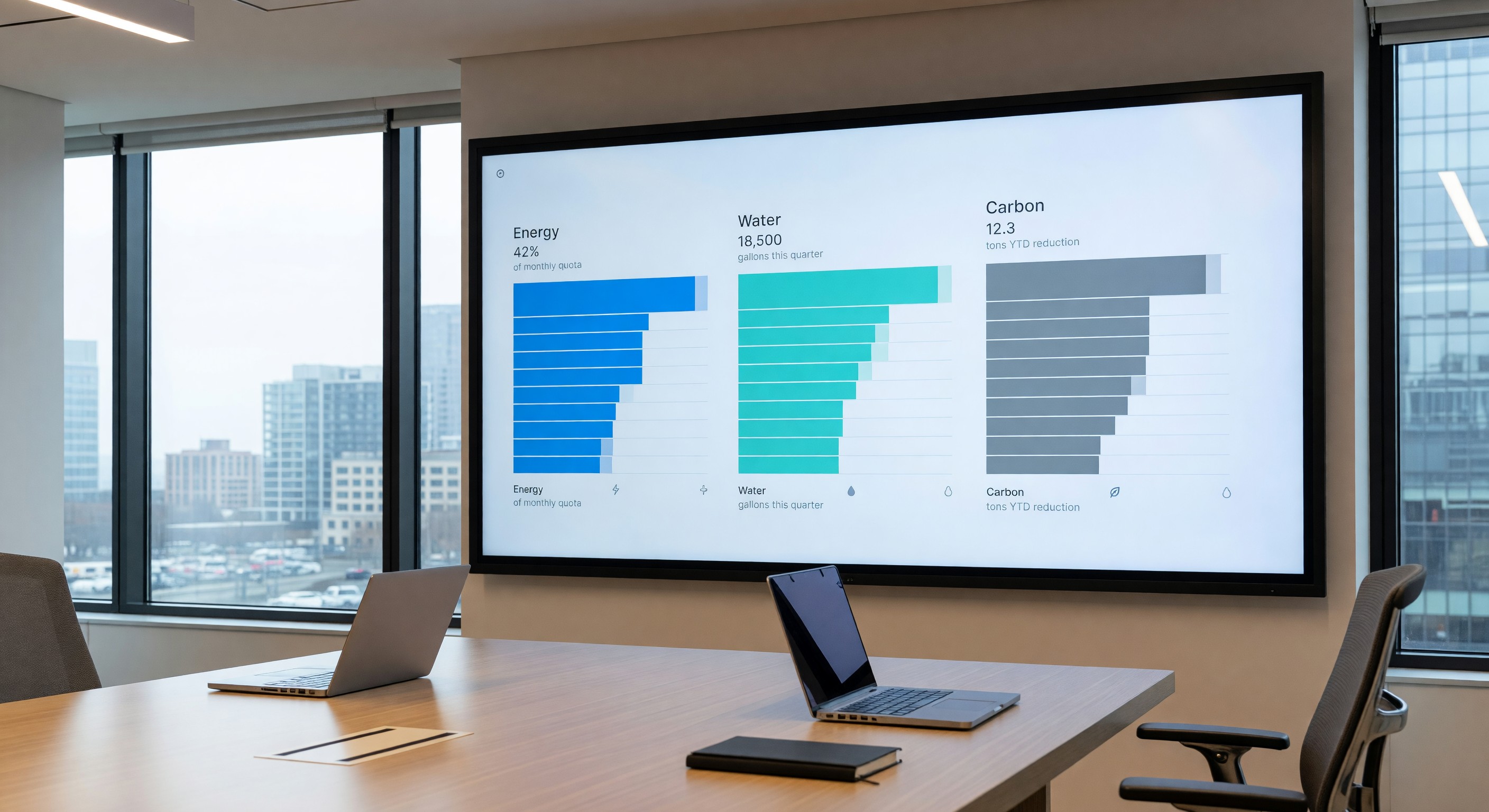
Hotel sustainability reporting has evolved from voluntary marketing differentiation to a structured operational discipline with regulatory, brand, and investor dimensions. By 2025, major hotel owners and REITs face pressure from investors, lenders, and emerging regulatory frameworks to produce credible, auditable sustainability data. Brand sustainability platforms have become more rigorous. And the guest-facing sustainability certification market has expanded to the point where properties without verifiable credentials are disadvantaged in certain booking segments.
This guide covers the sustainability reporting landscape for hotel facility managers: what metrics to track, how to produce credible data, the brand reporting requirements most commonly encountered, and the emerging regulatory context that is making sustainability disclosure increasingly non-optional.
The Core Hotel Sustainability Metrics
Regardless of which reporting framework or certification a hotel targets, the same foundational operational metrics are required:
Energy consumption:
- Total energy consumption by fuel type (electricity kWh, natural gas therms or MMBtu, other fuels)
- Energy intensity (consumption per square foot, per occupied room, or per available room-night)
- Energy breakdown by end use (HVAC, lighting, DHW, other) where submetering supports it
Water consumption:
- Total water consumption (gallons or cubic meters) by source (municipal, well, reclaimed)
- Water intensity (gallons per occupied room-night)
- Wastewater volume where separately measured
Waste:
- Total waste generated by weight (pounds or metric tons)
- Waste diversion rate (percentage recycled, composted, or diverted from landfill)
- Waste by category (recyclables, compostables, landfill, hazardous)
Carbon emissions:
- Scope 1 emissions (direct combustion — natural gas, fuel oil, diesel)
- Scope 2 emissions (purchased electricity, using market-based or location-based factors)
- Scope 3 emissions (supply chain, guest travel, waste disposal — often estimated using industry factors)
- Total carbon intensity (metric tons CO2e per occupied room-night)
Collecting these metrics requires coordination between utility data (energy bills), waste hauling invoices, and water utility bills. Monthly tracking — not annual — enables trend analysis and timely response to performance deviations.
Brand Sustainability Reporting Platforms
The major hotel brand sustainability platforms each have specific data collection requirements:
Marriott TAKE CARE / Serve 360: Monthly reporting of energy, water, and waste metrics via Marriott’s internal reporting platform. Properties target specific annual reduction goals relative to baseline years. Metrics are audited as part of brand QA.
Hilton LightStay: Cloud-based sustainability management platform that accepts utility data uploads and calculates carbon, energy, and water performance metrics. LightStay also provides benchmarking against other Hilton properties for comparative performance visibility.
IHG Green Engage: Self-assessment-based sustainability platform that categorizes properties at Levels 1–4 based on sustainability program implementation. Data entry covers energy, water, and waste metrics plus qualitative program descriptions.
Hyatt, Wyndham, Best Western, Choice: Each brand has developed sustainability reporting requirements of varying rigor — franchise agreements should specify current reporting obligations.
Ensure someone at the property owns the brand sustainability reporting function and has the access, data, and calendar awareness to submit required data on schedule. Late or incomplete reporting can affect brand QA scores.
Third-Party Certifications
Several third-party certification programs provide credentialing that is recognized by sustainability-conscious travelers, group booking coordinators, and LEED building certification frameworks:
Green Key: One of the most widely deployed hotel sustainability certifications, available in 85+ countries. Five-level certification system with annual third-party verification. Covers energy, water, waste, food and beverage, purchasing, and guest communication categories.
Green Globe: Multi-sector sustainability certification with hospitality-specific standards. Based on Global Sustainable Tourism Council (GSTC) criteria. Third-party verified annually.
LEED O+M (Operations and Maintenance): Green Building Council certification for existing buildings. More rigorous and expensive than hospitality-specific certifications, but carries significant prestige and is increasingly required by institutional real estate owners.
ISO 14001: Environmental Management System standard that certifies an organization’s environmental management processes rather than specific performance outcomes. Common in large hotel groups as an enterprise-level certification.
EarthCheck: Science-based certification framework specifically developed for the tourism industry. Used extensively in Australia/Pacific and growing in the Americas.
Certification costs vary significantly: Green Key typically $1,000–$3,000/year for certification and verification; LEED O+M $5,000–$50,000 for initial certification plus annual maintenance fees.
Emerging Regulatory Context
By 2025, hotel sustainability disclosure is increasingly regulated:
SEC Climate Disclosure Rule (US, phased in from 2025): Large US public companies and some private companies must disclose material climate risks and Scope 1 and 2 greenhouse gas emissions. Hotel REITs and large hotel management companies are among the entities covered by these requirements.
European Corporate Sustainability Reporting Directive (CSRD): Applies to European companies and non-EU companies with significant EU operations. Hotels with significant European operations (including US-based chains with substantial European property portfolios) may be subject to CSRD requirements.
California Transparency Laws: California SB 253 (Climate Corporate Data Accountability Act) and SB 261 (Climate-Related Financial Risk Act) require large companies operating in California to disclose Scope 1, 2, and 3 emissions and climate-related financial risks — applicable to hotel companies meeting the revenue thresholds.
Investor ESG Requirements: Even without specific regulatory mandates, hotel owners who are REITs, institutional investors, or who access ESG-linked debt instruments face reporting requirements from their capital providers that effectively mandate sustainability disclosure.
Building a Defensible Sustainability Data Program
The shift from voluntary to regulated disclosure means sustainability data must meet the evidentiary standards of financial reporting — not marketing claims.
Automated data collection: Manual sustainability data collection from paper bills is error-prone and labor-intensive. Utility data management platforms (Urjanet, Energy Star Portfolio Manager with automatic utility connections, Enertiv) automate the collection and import of utility data, providing audit-ready data chains from utility source to reported figure.
Methodology documentation: How are carbon emissions calculated? What emission factors are used for electricity? How is waste estimated where weights aren’t measured directly? Document the methodology for each metric with enough specificity that an external auditor can verify the calculation.
Third-party verification: For reporting that will be externally disclosed (brand reporting, investor reporting, regulatory reporting), third-party verification of at least a sample of sustainability metrics is increasingly expected. Engage an auditor with sustainability verification competency (GreenCPA firms, large accounting firms with ESG practices, specialist sustainability assurance firms) for external verification.
Frequently Asked Questions
What is the minimum sustainability data a hotel should track? At minimum: monthly electricity consumption (kWh), monthly natural gas consumption (therms or MMBtu), annual water consumption, and monthly waste volume with diversion rate. These five metrics — electricity, gas, water, waste volume, and diversion rate — form the foundation of all major brand and certification reporting requirements. Build the discipline to collect and record these monthly before expanding to more granular tracking.
How should hotels calculate their carbon footprint? Scope 1: Multiply natural gas, fuel oil, and diesel consumption by published EPA emission factors (available in EPA’s Emission Factors for Greenhouse Gas Inventories table). Scope 2: Multiply electricity consumption by the EPA eGRID regional emission factor for your utility service territory (for location-based accounting) or by renewable energy certificate (REC) factors (for market-based accounting). Tools including EPA’s ENERGY STAR Portfolio Manager, the GHG Protocol online calculator, and many ESG platforms will automate this calculation from consumption inputs.
Does having a sustainability certification help hotel bookings? Research shows that sustainability certifications have a meaningful but segment-specific impact on bookings. Corporate accounts with formal sustainability criteria in their travel programs respond most directly to verifiable certifications — some corporate procurement policies specifically require properties to hold recognized sustainability credentials. Leisure travelers increasingly filter by sustainability claims, though they typically use brand-level sustainability marketing rather than property-specific certifications in their decision-making.
What is the difference between Scope 1, 2, and 3 emissions? Scope 1 emissions are direct combustion emissions from fuels the hotel burns on-site (natural gas for heating, diesel for generators, fuel oil). Scope 2 are indirect emissions from purchased electricity — the emissions associated with generating the electricity the hotel uses. Scope 3 are all other indirect emissions in the hotel’s value chain — emissions from guest travel to the hotel, supply chain emissions in purchasing food and products, employee commuting, and waste disposal. Scope 1 and 2 are relatively straightforward to calculate; Scope 3 typically requires estimation using industry emission factors.
Further Reading from Authoritative Sources
- USGBC LEED hotel sustainability certification and reporting standards — USGBC provides LEED O+M certification standards, sustainability performance measurement frameworks, and green building certification requirements applicable to hotel sustainability reporting program development, third-party certification selection, and institutional investor sustainability credential requirements.
- EPA ENERGY STAR hotel carbon calculation and sustainability reporting tools — EPA provides ENERGY STAR Portfolio Manager for utility data automation, GHG emission factor tables for Scope 1 and 2 carbon calculations, and sustainability reporting tools applicable to hotel carbon footprint calculation, regulatory disclosure data preparation, and brand sustainability platform reporting.