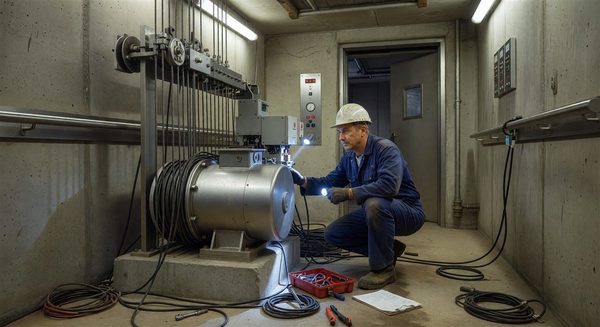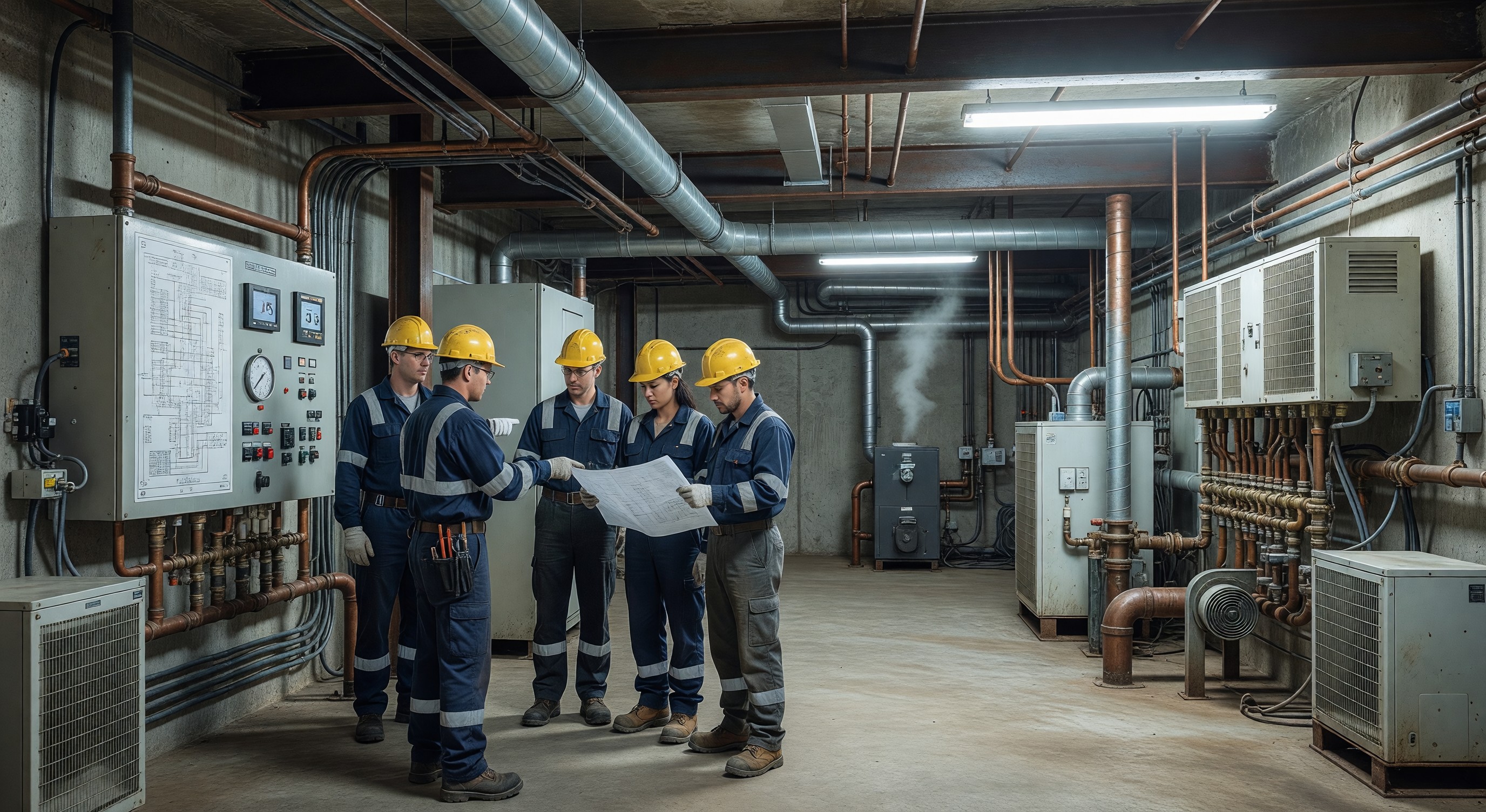
The engineering department is the operational backbone of any hotel, responsible for maintaining the building systems and physical infrastructure that make the guest experience possible. Yet engineering staffing models vary enormously across the industry — from skeleton crews at limited-service properties to large multi-discipline teams at full-service resorts — and determining the right model for a given property is both an operational and financial challenge.
Understaffing leads to deferred maintenance, slow response to guest complaints, and reactive crisis management. Overstaffing is a cost burden that erodes NOI and is difficult to right-size once headcount is established. This guide helps facility managers and general managers build engineering staffing models that match their property’s actual requirements.
Staff-to-Room Ratios
Industry benchmarks for engineering staffing are typically expressed as rooms per maintenance employee:
Limited-service hotels (no F&B, minimal amenities): 50–80 rooms per engineer/maintenance tech Select-service hotels (limited F&B, pool, fitness): 40–60 rooms per engineer/maintenance tech Full-service hotels (full F&B, multiple outlets, banquet): 25–40 rooms per engineer/maintenance tech Resort properties (extensive amenities, outdoor areas): 15–25 rooms per engineer/maintenance tech
These ratios cover maintenance technicians only — they assume a chief engineer or director of engineering is in addition to these counts at all but the smallest properties.
These benchmarks assume all engineering functions are performed in-house. Properties with significant outsourced scope (contracted HVAC, contracted elevator, contracted grounds) can operate with fewer in-house staff.
Role Structure
A typical full-service hotel engineering department includes:
Director of Engineering / Chief Engineer: Senior management position responsible for capital planning, vendor management, budget management, brand compliance, team leadership, and strategic decisions on system upgrades. In larger hotels, this role may be an executive committee position. Requires deep multi-trade technical knowledge plus management and financial competency.
Assistant Chief Engineer: Day-to-day operational management, preventive maintenance program oversight, work order management, and supervision of engineers/technicians. Often the person who “runs the floor” while the director of engineering handles administrative responsibilities.
Engineers/Maintenance Technicians: Multi-skill technicians capable of first-line response across HVAC, plumbing, electrical, carpentry, and general maintenance. The majority of hotel maintenance is successfully completed by skilled generalists — specialty trade tasks (high-voltage electrical, refrigerant handling, elevator work) are typically contracted.
Maintenance helpers/houseman: Entry-level positions for tasks not requiring technical skill — light bulb replacement, furniture moves, minor cosmetic repairs, and supply logistics. Effective use of helpers frees skilled technicians for work requiring their expertise.
Coverage Model Design
Hotels operate 24 hours, but maintenance needs peak during daytime hours (when guest-facing issues are reported, preventive maintenance is completed, and project work occurs) and drop overnight (when most guests are asleep and interruption concerns are minimal).
Typical coverage approaches:
Dedicated overnight engineer: Properties with significant overnight activity (resorts, convention hotels, 24-hour F&B) often maintain an overnight engineer for immediate response to guest room issues and building system emergencies. Single-person overnight coverage requires clear escalation protocols for situations requiring backup.
On-call overnight: Many limited-service and select-service hotels do not staff engineering overnight but maintain an on-call protocol — the manager on duty handles minor issues and calls an engineer for substantive maintenance events. This reduces labor cost but extends response time for overnight emergencies.
Staggered shifts: A first-shift crew (6 a.m.–2 p.m.) handles preventive maintenance and morning guest calls, while a second-shift crew (2 p.m.–10 p.m.) handles afternoon/evening guest calls and project work. Reducing but not eliminating evening coverage compared to daytime is a common and effective model.
In-House versus Outsourced Scope
The decision to perform maintenance in-house versus contract it has significant cost and quality implications. Key considerations:
Specialty trade work: Elevator maintenance, central plant HVAC (chillers, cooling towers, boilers), fire suppression system inspections, and high-voltage electrical work typically require licensed contractors regardless of in-house staffing levels. These are not “outsourcing” decisions — they are code and liability requirements.
Recurring maintenance with high frequency: Pool chemistry management, grounds maintenance, window cleaning, and pest control are often contracted because specialized equipment, regulatory compliance, and scale economics favor contractor performance.
Project-based work: Significant renovations, system replacements, and major capital projects are almost always contracted, even at properties with large in-house engineering teams.
Day-to-day maintenance: The calculus depends on volume and skill level. Properties with sufficient volume to keep in-house staff consistently productive should prefer in-house for guest room maintenance, preventive maintenance programs, and minor mechanical repairs. The cost per work order for in-house staff at appropriate utilization (70–80% productive time) is typically lower than service contract alternatives.
Skills Matrix Planning
Multi-trade competency across the engineering team is more valuable than single-trade depth in most hotel maintenance applications. A team where all engineers can competently address basic HVAC, plumbing, electrical, and carpentry issues is more flexible and cost-effective than specialists who can only perform within their discipline.
Develop a skills matrix for your team that identifies each engineer’s competency level across key trade areas. Use it to identify training needs, to match technicians with work orders, and to plan professional development investments. Trade certifications — EPA Section 608 (refrigerant handling), HVAC certifications, electrical licensing, pool operator certification — increase both competency and the scope of work the team can legally perform in-house.
Recruiting and Retention
The 2021–2023 labor market made hotel engineering staffing exceptionally difficult. Competition from construction, manufacturing, and other sectors offering higher wages and more predictable schedules drew experienced technicians away from hotel maintenance. Retention strategies that have proven effective:
- Competitive base wages benchmarked against local market data (Engineering department wages regularly underperform comparable local industrial rates)
- On-call pay and premium pay for overnight and holiday coverage
- Employer-paid trade certification and continuing education
- Clear advancement pathways (helper → technician → engineer → assistant chief → chief)
- Consistent scheduling with reasonable advance notice of coverage changes
- Recognition programs for preventive maintenance compliance and guest satisfaction scores
Frequently Asked Questions
What is a reasonable preventive maintenance completion rate target for hotel engineering? Industry benchmark is 85–95% PM task completion on schedule. Properties below 75% are deferring significant maintenance — which accumulates as reactive backlog and eventual capital expense. Tracking PM completion rate weekly provides the visibility needed to manage staffing allocation between PM work and reactive maintenance.
Should hotels hire specialized engineers or generalist maintenance technicians? For most hotels, generalist multi-trade technicians outperform specialists. The daily mix of hotel maintenance work — HVAC filters, plumbing leaks, door hardware, electrical fixtures, carpentry — benefits from flexibility. Specialists are valuable for particular system types (central plant engineers at large convention hotels, for example) but the typical hotel property is better served by well-trained generalists.
How should hotels handle engineering department turnover? Document institutional knowledge: create equipment files, system diagrams, preventive maintenance procedures, and vendor contact lists that don’t live only in a departing chief engineer’s memory. Cross-train technicians on all critical systems so no single person is the sole operator of essential building systems. The best-run hotel engineering departments can survive any single departure without operational disruption.
What certifications should hotel maintenance technicians hold? Key certifications: EPA Section 608 Universal (required for handling refrigerants), OSHA 10-hour or 30-hour General Industry, CPR/First Aid/AED, pool operator certification (CPO or AFO) if pool operations are in scope. Trade certifications (NATE for HVAC, electrician licensing, plumber licensing) are valuable for relevant specializations. Brand standards may specify additional certifications.
Further Reading from Authoritative Sources
- IFMA hotel engineering staffing models and maintenance workforce standards — IFMA provides facility management staffing standards, maintenance workforce planning frameworks, and operational benchmarks applicable to hotel engineering department sizing, skill matrix development, and in-house versus outsourced scope decision-making.
- OSHA hotel maintenance safety certification and workplace standards — OSHA provides workplace safety standards including OSHA 10/30 certification requirements, electrical safety training mandates, and safety program frameworks applicable to hotel maintenance technician certification requirements, staff training investment planning, and engineering department safety program management.