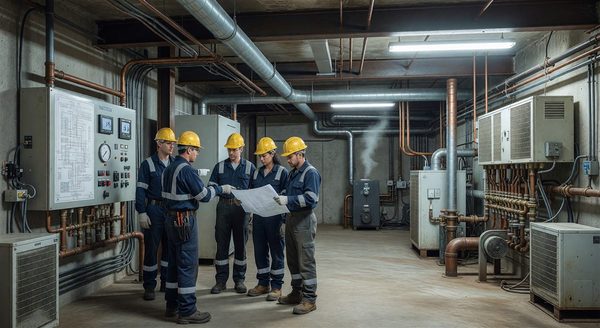
The hotel industry’s labor shortage, which became acute during the pandemic recovery, has hit maintenance departments particularly hard in 2022. Unlike front desk positions where turnover is high but training time is relatively short, maintenance technicians require specific skills and licensing that take years to develop. When an experienced HVAC technician or journeyman electrician leaves, the position often goes unfilled for months.
The result: deferred maintenance, reduced PM completion rates, higher reactive work rates, and guest satisfaction impacts from maintenance issues that would have been caught and resolved before guest notification in a fully staffed operation.
Managing through this period requires a multi-front strategy: improving retention to reduce turnover, competing more effectively for candidates, and restructuring operations to accomplish more with current staffing.
Understanding Why Hotel Maintenance Is Hard to Staff
The labor market dynamics specific to hotel maintenance help explain why the shortage is so persistent:
Wage competition from other sectors: Hotel maintenance technicians compete for talent with construction (where demand is very high), manufacturing, and facility management across all commercial property types. Hotels have historically paid at or below market for technical talent while offering irregular hours, weekend requirements, and the complexity of an occupied building. Without competitive wages, recruiting from other sectors is difficult.
Licensing requirements: HVAC technicians require EPA 608 certification. Electricians require licensing that varies by state. Elevator mechanics have their own licensing requirements. Boiler operators in some jurisdictions require a stationary engineer’s license. Each license represents a multi-year investment in training and experience. You can’t hire your way out of a licensed technician shortage quickly.
Benefits structure: Full-service hotels typically offer competitive benefits, which is an advantage over construction where coverage is inconsistent. However, the on-call requirements, weekend rotation, and irregular hours reduce the effective value of the benefits package for candidates who prioritize work-life balance.
Perception of the role: Hotel maintenance is not seen as a prestigious or high-status career path in many communities, limiting the pipeline of candidates who even consider the profession.
Retention as the First Priority
Losing a trained, experienced maintenance technician is significantly more costly than it appears. The direct costs — separation, recruiting, onboarding — are visible. The hidden costs are larger: increased reactive maintenance during the staffing gap, reduced PM completion, the learning curve of a new hire who doesn’t know the building systems, and the productivity reduction in remaining staff who absorb the gap.
A conservative estimate of the total cost of losing and replacing a hotel maintenance technician: $20,000–$40,000. Prevention of each turnover is worth investing in.
Retention strategies that work:
Competitive total compensation: Survey the market annually. Pay at or above median for your market and property type. Establish a written compensation structure with defined merit increase criteria so employees understand how to advance. Merit increases should outpace cost of living — salary that merely keeps pace with inflation doesn’t create retention motivation.
Clear advancement path: Maintenance technicians who can see a path from general maintenance to specialized technician to lead engineer to chief engineer are more likely to stay. Create defined levels with associated compensation bands and skill requirements. Help employees understand how to get from where they are to the next level.
Training and certification support: Pay for training and certification costs (EPA 608 certification prep, OSHA courses, manufacturer certifications). Employees who receive ongoing investment in their development feel valued and are more likely to stay. This also improves the team’s skill level directly.
Recognition and inclusion: Include maintenance staff in company communications, celebrate milestones and certifications, and invite the chief engineer to GM’s staff meeting. Maintenance staff who feel connected to the property’s overall success perform better and leave less often.
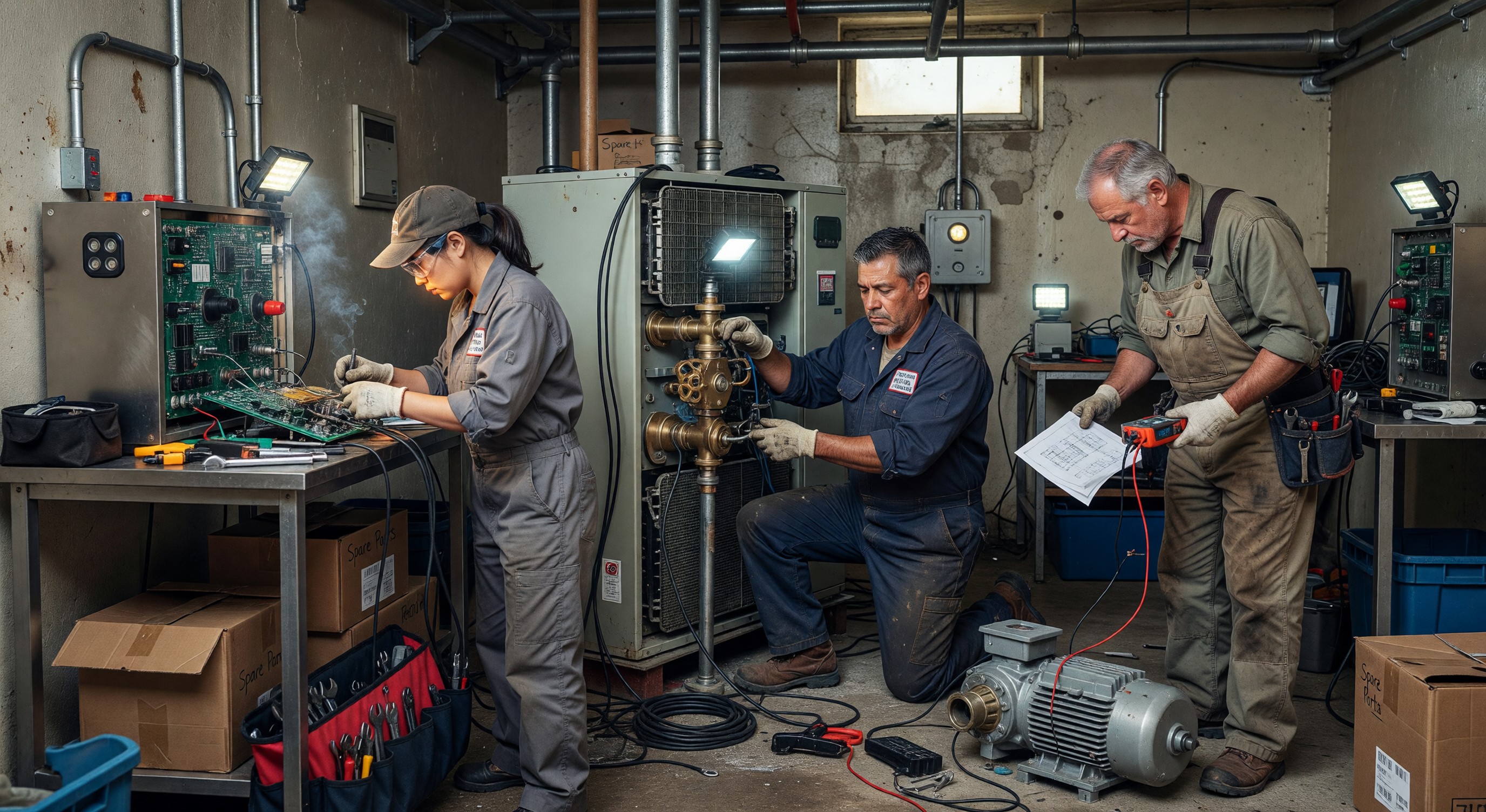
Quality tools and working conditions: Maintenance technicians who work with inadequate tools, in poorly organized shops, without reliable parts access, are less productive and less satisfied. Invest in a well-equipped, organized shop as a retention investment as much as a productivity investment.
Schedule predictability: The on-call requirements of hotel maintenance are hard to eliminate, but schedule predictability for the regular work schedule matters significantly to candidates with family responsibilities. Publishing schedules further in advance, establishing clear rotation policies for on-call, and being reliable about honoring time-off requests all improve the quality of the job experience.
Recruiting in a Competitive Market
If retention-focused measures keep the team intact, great. When vacancies occur, competing effectively for maintenance talent requires an updated approach.
Rethink the job posting: Traditional hotel maintenance job postings emphasize the requirements (licenses, experience) without emphasizing what makes the job attractive. Lead with the compensation range, the benefits, the advancement opportunity, and what makes your property a good place to work. Post on trades-specific job boards and forums (not just generic hospitality job sites).
Consider entry-level pathways: If licensed technicians are unavailable, consider hiring motivated candidates without licenses and investing in their training. A motivated apprentice who you train and license over 18–24 months becomes a loyal, skilled employee. This approach requires more management investment but develops the talent pipeline you need.
Partner with trade schools and community colleges: HVAC and electrical programs at community colleges and trade schools are producing candidates who need their first employer. Becoming a recognized employer with an apprenticeship track can provide a consistent pipeline of candidates.
Expand the candidate search geography: With remote housing becoming more affordable in some markets and housing costs becoming prohibitive in others, consider whether your compensation and benefits package attracts candidates willing to relocate. Make the total package clear in the posting.
Restructuring Operations for Current Staffing
When staffing is below target, the maintenance program must be restructured to accomplish the most critical work with available resources.
PM prioritization triage: Systematically review the PM schedule and categorize tasks by criticality. Life safety systems, guest-facing HVAC and plumbing, and revenue-critical equipment go first. Back-of-house and lower-criticality equipment PM is deferred until staffing recovers.
Contract expansion: Expand the use of service contracts for specialized maintenance that can be covered by external vendors: HVAC quarterly maintenance by the equipment vendor, elevator maintenance by the elevator company, fire system testing by the fire contractor. This converts internal labor requirements to contracted costs — often at a premium, but manageable in a staffing shortage.
Housekeeping collaboration for simple repairs: Some simple maintenance tasks — unclogging a drain, replacing a light bulb, adjusting a door closer — can be performed by trained housekeeping staff without engineering involvement. This frees engineering for more complex work. Establish a training program and clear guidelines for what housekeeping can handle vs. what requires engineering.
Cross-training: Broaden the skills of current staff through cross-training. An HVAC-focused technician who also knows basic plumbing handles more issues without needing a specialist. Cross-training improves flexibility and resilience.
Technology Substitution
Some maintenance functions can be partially or fully substituted with technology that reduces the labor requirement for that function:
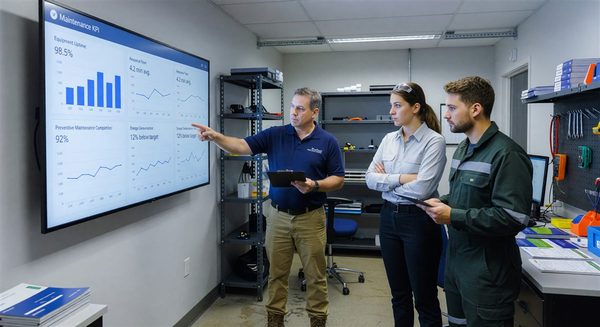
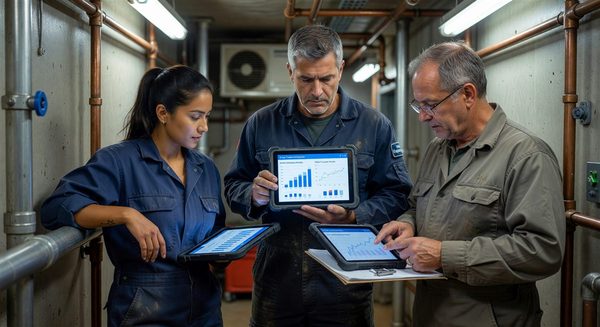
Remote monitoring: Building automation systems with automated alerting can notify engineering of anomalies without requiring constant manual checks. A technician who receives an alert when chiller performance deviates can investigate specifically rather than conducting routine monitoring checks.
Automated PM scheduling: A CMMS that automatically generates, assigns, and tracks PM completion is significantly more efficient than a manual system. It also makes gaps in PM completion immediately visible to management.
Smart building sensors: Water leak detectors, temperature sensors, and equipment performance monitors identify problems early and specifically, reducing the diagnostic work required when a technician investigates.
FAQ
How do we justify increased maintenance wages to ownership when the property is still recovering from COVID? Frame the cost of turnover vs. the cost of retention. Calculate the total cost of a technician turnover (recruiting, temporary contractor coverage, productivity loss, PM impact). Compare it to the annual cost of a wage increase that achieves retention. In most cases, the math clearly favors retention investment.
What maintenance functions can safely be contracted out vs. kept in-house? In-house is best for functions that require property-specific knowledge (intimate understanding of the building systems), that arise unpredictably and require immediate response, and that are most efficiently done by someone who’s in the building already. Contracting works well for specialized licensed work (elevator, fire systems), time-scheduled PM that can be planned in advance, and functions where the property doesn’t have the equipment or expertise.
Should we consider hiring a less-experienced technician and training them? Yes, in most cases. The alternative — waiting indefinitely for an experienced candidate — is often more costly than the investment in developing someone. The risk is that you invest in training and the employee leaves; mitigate this by creating a training agreement that requires a minimum tenure commitment in exchange for certification sponsorship.
How do we manage guest expectations during a period of extended maintenance response? Be proactive and transparent: let guests know that we’re working on their reported issue and give an honest timeline. Guests who receive honest updates are far more tolerant than guests who feel they’ve been ignored. The front desk should have visibility into maintenance work order status so they can update guests accurately without engineering having to make the call.
Further Reading from Authoritative Sources
- IFMA hotel maintenance workforce development and staffing shortage strategies — IFMA provides facility management workforce development standards, maintenance staffing optimization frameworks, and labor management guidance applicable to hotel engineering department retention strategies, candidate development programs, and operational restructuring during staffing constraints.
- OSHA hotel maintenance technician certification and safety training standards — OSHA provides safety certification standards, training program requirements, and regulatory compliance guidance applicable to hotel maintenance technician certification investment decisions, safety training programs, and the licensing requirements that limit rapid staffing solutions during labor shortages.