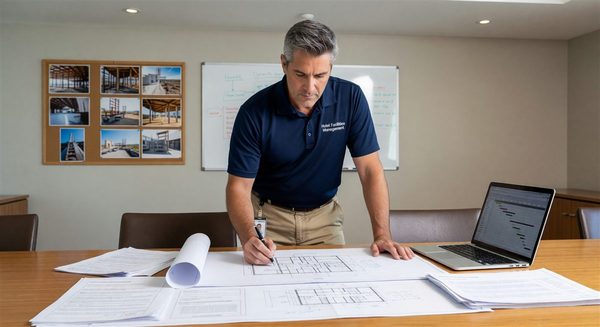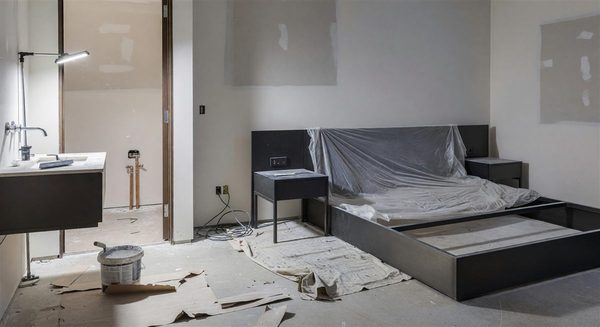
By mid-2022, most hotel properties had recovered to pre-COVID occupancy levels in many markets. Revenue was recovering. But the physical plant had aged two additional years with reduced capital investment, and the deferred maintenance and capital backlogs accumulated during 2020–2021 hadn’t disappeared. In fact, for many properties, they’d grown: normal end-of-life replacements had been added to the pandemic-related deferrals, creating a capital queue that would take years to work through even with full pre-COVID capital budgets restored.
For facility managers and GMs now facing ownership and asset management groups eager to understand the capital requirement, this guide addresses how to structure the conversation and prioritize the investment.
Assessing the True Capital Backlog
The first challenge is getting accurate visibility into what’s actually owed. During the pandemic, capital planning processes were often suspended or simplified. Properties that previously had detailed 10-year capital plans may have let those documents go stale. The 2022 reality requires rebuilding an accurate picture.
Updated Asset Inventory and Age Assessment
Take the pre-pandemic asset inventory (if it exists) and age every asset by two additional years. What was “3 years from end of life” in 2019 is potentially “1 year from end of life” in 2022. What was planned for 2021 replacement may now be operating on borrowed time.
Supplement the inventory update with a physical condition assessment. Some equipment that was “approaching end of life” in 2019 may have actually deteriorated faster with reduced maintenance attention. Others may have held up well.
Priority inspection targets:
- PTAC units in properties that suspended PM during pandemic
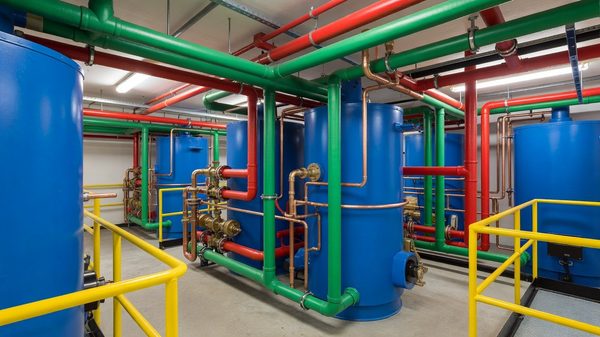
- Cooling towers and chillers that missed annual service
- Roof systems that went 2+ years without professional inspection
- Electronic systems (locks, WiFi, CCTV) that missed software updates
- Kitchen equipment that operated under reduced maintenance protocols
Classifying the Backlog
Separate the backlog into:
Deferred necessary replacements: Equipment that was already past or approaching its scheduled replacement that was pushed back explicitly due to COVID. This is the most urgent category because every additional year of deferral increases failure risk and total cost.
Pandemic-accelerated needs: Equipment that was damaged or deteriorated by the unusual operating conditions of 2020–2021 — extended shutdown, reduced maintenance, and the restart stresses on systems that sat idle.
Normal queue: Capital items that would have been in the 2-3 year capital plan regardless of COVID. These are the background queue that needs to be managed alongside the backlog.
Brand and franchise requirements: Any PIP requirements that came due during the pandemic may have received extensions. Check the status of any brand-required improvements and their current deadlines.
The Financial Case for Capital Investment
Ownership groups that controlled capital tightly during 2020–2021 need a compelling case for capital restoration. The arguments that resonate:
Revenue Risk from Deferred Capital
Deferred capital isn’t free — it converts future capital costs into operational risk. Specific examples:
A PTAC fleet at 11 years (2 years past the typical 9-year replacement cycle) will begin failing during the peak summer cooling season. Each failure affects one occupied room. At $200/night ADR and 70% annual occupancy, each occupied room is worth $51,100/year in revenue. A 10% PTAC failure rate across 200 rooms means 20 affected rooms during peak season — $200,000+ in potential revenue impact before counting compensation costs.
A chiller that misses its annual service and continues operating 3 years beyond scheduled major service has increasing risk of a catastrophic mid-summer failure. Emergency chiller rental, service response, and guest disruption costs from an unplanned failure easily exceed the cost of the planned replacement.
The risk calculus frames capital investment not as optional spending but as risk management.
Guest Satisfaction and Rate Integrity
Properties that emerge from the pandemic with visibly deferred maintenance face rate recovery headwinds. Guests who see aging rooms, failing technology, and poor maintenance express their dissatisfaction in reviews — which directly affect future booking decisions and rate support.
Online review analysis specific to your property can quantify this: how many negative reviews reference maintenance-related issues? What’s the star rating trend? If maintenance-related complaints are rising, there’s a direct line from deferred capital to rate compression.
Competitive Position
Competitors that invested through the pandemic — using the low-occupancy period to complete renovations — are now returning to market with refreshed properties. Competitors that also deferred are facing the same capital requirements. Understanding where your primary competitive set stands on renovation and capital investment helps frame the urgency.
Prioritization Framework for 2022
With a full backlog identified and the financial case established, the prioritization framework for 2022 capital allocation:
Priority 1 — Life Safety and Compliance: Any item with a life safety implication or regulatory compliance deadline. Non-negotiable regardless of financial pressure.
Priority 2 — Revenue Protection: Capital items where failure would directly affect occupied rooms, food service, or other revenue-generating operations. Guest-facing HVAC, elevators, cooking equipment, and parking systems fall here.
Priority 3 — Guest Experience: Items that affect guest satisfaction but aren’t operational failures — aging guestroom FF&E, outdated technology, cosmetic deterioration in public spaces.
Priority 4 — Efficiency and Cost Reduction: Energy efficiency investments, automation that reduces labor costs, and productivity improvements. These compete for capital against other priorities but have quantifiable returns.
Priority 5 — Competitive Enhancement: Improvements that don’t address existing deficiencies but improve competitive positioning — new amenities, technology enhancements, design upgrades.
Making the Capital Request
The Project Portfolio Approach
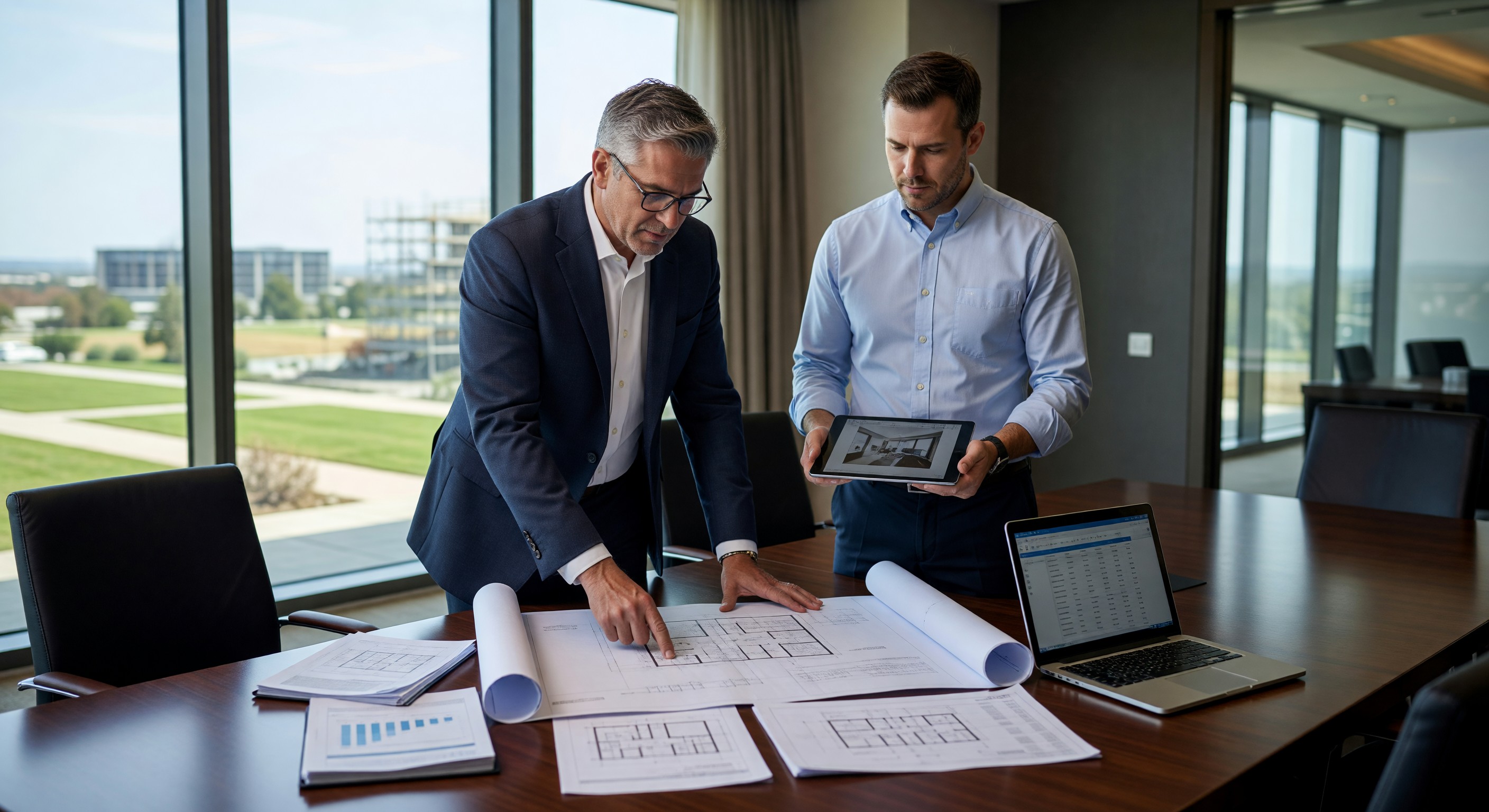
Rather than presenting individual capital requests in isolation, package them into a coherent project portfolio with:
- Executive summary: Total backlog by category, three-year phased plan, and high-level financial analysis
- Priority 1 projects with immediate ROI: Lead with the items where the financial case is strongest and the risk of inaction is clearest
- Asset life extension documentation: For items being deferred another year, document the condition, the extended-life risk, and the mitigation plan
Using Life Cycle Cost Analysis
Total cost of ownership over a 10-year horizon is a more persuasive frame than first cost. A $400,000 chiller replacement looks different when compared to continuing with a 22-year-old machine:
- Remaining efficiency vs. new chiller efficiency × annual energy cost × years remaining
- Increasing maintenance cost trend for aging equipment
- Risk of unplanned failure: probability × cost of a catastrophic failure scenario
- New equipment warranty value
FAQ
How do we handle ownership that wants to sell the property in 2–3 years without investing in capital? This is a legitimate investment strategy for some owners — minimize capital and sell before the maintenance bill comes due. As a facility manager, your role is to clearly document the condition, the deferred capital requirement, and the risk, then let ownership make an informed decision. A prospective buyer’s due diligence will surface the deferred capital anyway; undisclosed deferred maintenance becomes a legal liability.
What’s the best way to structure a capital request for a $500,000 HVAC upgrade? Lead with the problem (current system age, performance degradation, service cost trend), then the cost of inaction (failure risk, energy cost premium, guest satisfaction impact), then the investment (total project cost, phasing options), then the return (energy savings, maintenance cost reduction, risk mitigation). A well-structured request anticipates the questions ownership will ask.
Should we get independent condition assessments or rely on in-house assessment? For major capital requests above $100,000, an independent engineer’s assessment adds significant credibility with ownership. The cost of a qualified independent assessment ($5,000–$15,000) is worth it for large investments where ownership credibility is important.
How do we prioritize between equally urgent capital needs when the budget doesn’t cover all of them? First, maximize life-safety and compliance items regardless of cost. Then apply the criteria: which has higher failure risk, which has greater guest impact, which has better ROI? When items score equally on these criteria, schedule the highest-risk item first. Document the reasoning so the decision rationale is preserved.
Further Reading from Authoritative Sources
- IFMA hotel post-pandemic capital recovery and deferred maintenance management — IFMA provides facility management standards for deferred maintenance assessment, capital backlog classification, and life cycle cost analysis methodologies applicable to hotel post-pandemic capital recovery planning, asset condition assessment, and ownership engagement.
- AHLA hotel capital investment recovery and revenue protection standards — AHLA provides hospitality industry guidance on capital investment recovery frameworks, competitive positioning analysis, and ownership communication standards applicable to hotel post-pandemic capital prioritization and the financial case for maintenance investment restoration.