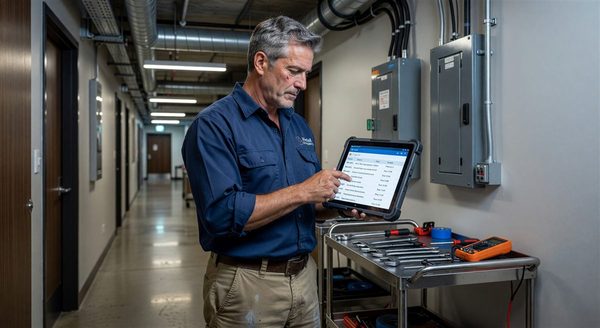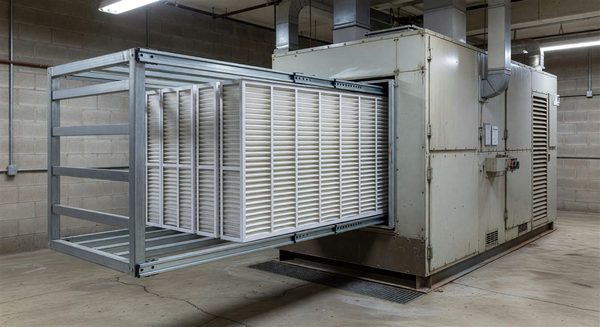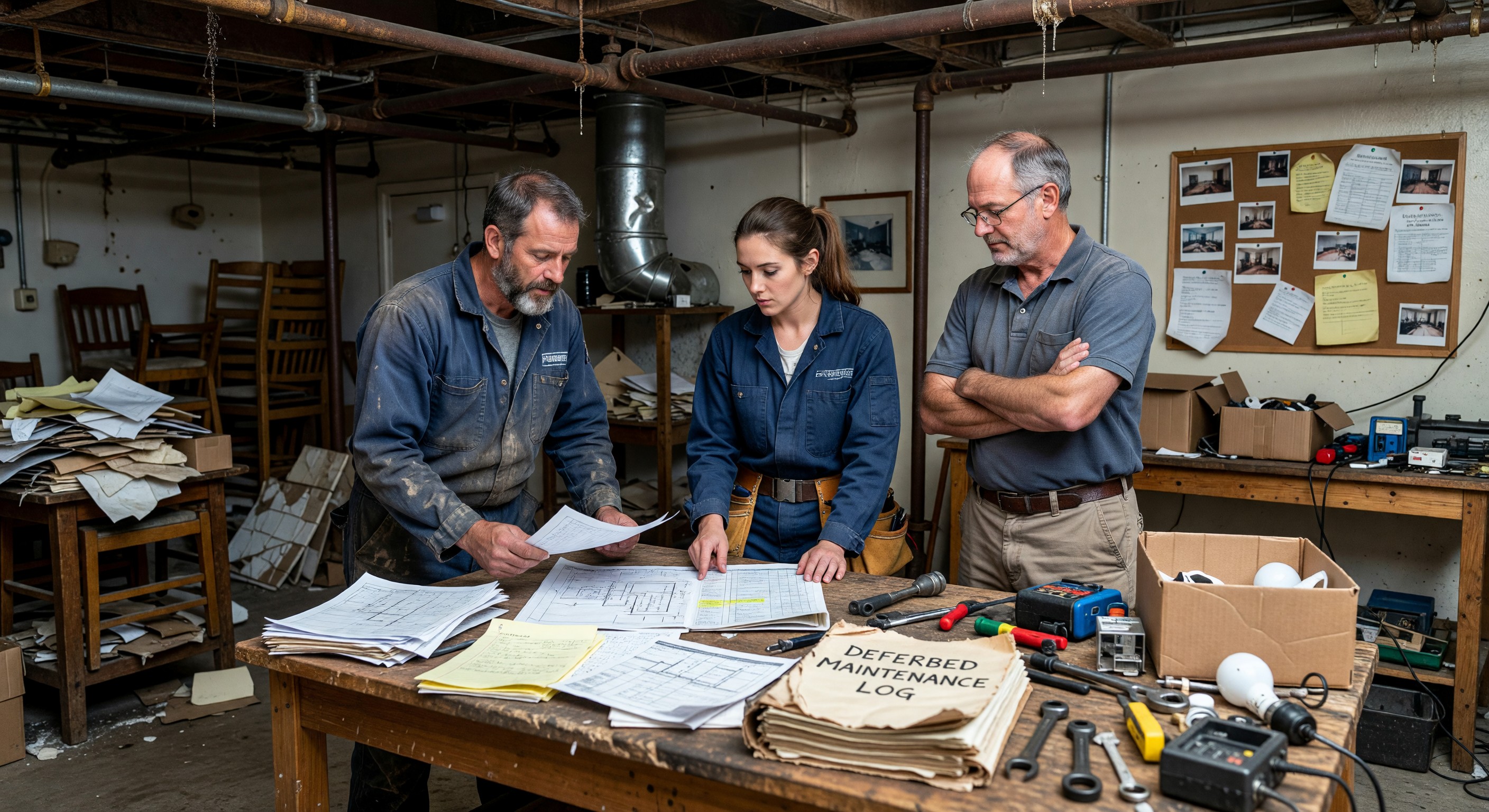
The COVID-19 pandemic created a deferred maintenance crisis in the hotel industry. With occupancy at historic lows throughout 2020 and capital severely constrained, most properties cut maintenance budgets and deferred both routine PM and capital replacements. The result: entering 2021 with a maintenance backlog that, for many properties, represents 12–24 months of accumulated deferral on top of whatever backlog existed pre-pandemic.
Addressing this backlog requires more than simply resuming normal operations. It requires a systematic assessment of what was deferred, a prioritization framework for addressing it, and a financial planning approach that fits the constraints of a property still in revenue recovery.
Quantifying the Backlog
Before a backlog can be managed, it must be measured. Start with a systematic assessment that categorizes deferred work by type and severity.
Assessment Categories
Category 1 — Life Safety: Anything affecting fire protection, emergency egress, structural safety, or other life safety systems. This category has zero tolerance for deferral; any items here must be addressed immediately regardless of financial constraints.
Category 2 — Guest Health and Safety: Water system maintenance (Legionella prevention), slip/fall prevention surfaces, electrical safety issues, and equipment with physical injury potential. These items should be addressed within 30 days.
Category 3 — Guest Experience Impact: Equipment failures and deterioration that directly affects the guest’s experience — HVAC performance, plumbing functionality, room appearance issues, technology failures. Address within 60–90 days for items affecting occupied rooms.
Category 4 — Operational Efficiency: Equipment that is functioning but operating inefficiently or approaching end of life — aging HVAC equipment with declining performance, inefficient lighting, deteriorating vehicle access systems. Schedule within 6 months.
Category 5 — Cosmetic and Low-Priority: Painting, minor cosmetic repairs, landscaping, and non-critical improvements. Address as budget and labor allow.
Conducting the Property Assessment
A systematic assessment of a 200-room full-service hotel typically takes 2–4 weeks to complete if done rigorously. The assessment should include:
Guestroom inspection: At minimum 20% random sample of guestrooms (more is better). For each room, document HVAC function, plumbing condition, lock and door hardware, lighting, furniture condition, bathroom caulking/grout, TV and technology function.
Public area walkthrough: Lobby, F&B areas, fitness center, pool, meeting rooms, corridors, and stairwells. Document all visible deferred maintenance.
Mechanical system review: Review PM records (or the absence of them) for all major mechanical equipment. Identify equipment that missed scheduled PM during the closure period.
Roof and exterior inspection: Have a qualified roofing contractor and exterior envelope specialist assess the building exterior, particularly if the property went through a winter with reduced maintenance attention.
Life safety system verification: Fire alarm panel diagnostic, sprinkler system pressure test, emergency lighting test, generator test. These systems cannot be assumed to be functioning correctly without testing.
Technology systems audit: WiFi access point health check, CCTV camera function and recording verification, PMS and telephony system health.
Prioritization Framework
With a complete assessment in hand, prioritize the backlog using a simple scoring matrix:
Impact score (1–5):
- 5: Life safety, guest health, or legal compliance
- 4: Directly affecting current guest experience
- 3: Operational impact without immediate guest effect
- 2: Efficiency or aesthetics
- 1: Minor improvement
Urgency score (1–5):
- 5: Immediate attention required (safety risk, active failure)
- 4: Within 30 days
- 3: Within 90 days
- 2: Within 6 months
- 1: Within 12 months
Priority = Impact × Urgency. Items scoring 20–25 are addressed immediately. Items scoring 12–19 are addressed in the next 30–90 days. Items scoring below 12 are scheduled for later in the year.
Financial Planning for Backlog Recovery
Estimating Total Backlog Cost
After completing the assessment and prioritizing items, estimate the total cost of the backlog. Be realistic — underestimating creates budget gaps that derail the recovery plan.
Build costs with specificity where possible (get contractor quotes for significant items) and use reasonable unit costs for repetitive items (cost per room for guestroom PTAC PM, cost per fixture for lighting repairs).
For a property with 12+ months of significant deferral, total backlog cost commonly represents 3–6 months of the normal annual maintenance and capital budget.
Funding Approaches
Operating budget: For items that would normally be expensed through the operating maintenance budget, including catch-up PM and minor repairs.
Capital reserve drawdown: For items that would normally be funded through the FF&E reserve, particularly items that had been planned for 2020 capital budgets but deferred.
Owner contribution: For significant capital items that exceed what the operating budget or reserve can cover, a conversation with ownership about a special capital contribution may be necessary. Frame this around the risk of continued deferral — what’s the cost of a major system failure versus the cost of the planned replacement?
Insurance claims: If any portion of the deferred condition resulted from covered events (storm damage, equipment failures that qualify as covered losses), review with the insurance carrier.
Brand programs: Some hotel brands offer financing or support programs for PIP-related improvements. If the backlog includes brand-compliance items, explore what support the brand offers.
Phasing the Recovery
Attempting to address the entire backlog simultaneously is neither financially possible nor operationally practical. Phase the work over 12–24 months:
Phase 1 (months 1–3): All Category 1 and Category 2 items. No exceptions.
Phase 2 (months 3–6): High-priority Category 3 items — guest-facing HVAC and plumbing, occupied guestroom conditions, critical equipment with immediate risk.
Phase 3 (months 6–12): Remaining Category 3 and high-priority Category 4 items.
Phase 4 (months 12–24): Category 4 and 5 items, now incorporated into the regular capital and maintenance planning cycle.
Restoring the PM Program
The other critical element of the backlog recovery is restoring the preventive maintenance program that was either suspended or significantly reduced during the pandemic.
Catching Up on Missed PM
For each type of equipment with a defined PM schedule, calculate what PM visits were missed and determine which can be caught up (annual inspection that was missed last year should be done now) vs. which are expired and simply represent a gap in the maintenance history.
Some PM tasks are cumulative — the value of a monthly inspection is in the trending data over time. Three months of missed monthly PTAC inspections should be caught up with three additional visits before returning to the normal monthly schedule.
Rebuilding PM Staffing
If maintenance staffing was significantly reduced during the pandemic, the team may not have capacity to both address the backlog and maintain the PM schedule simultaneously. Be realistic about capacity:
- Prioritize PM schedule adherence for life-safety and guest-impacting systems
- Allow PM deferral for back-of-house and non-critical systems while the team catches up
- Consider temporary supplemental staffing or contractor support for the catch-up period
- Track PM completion rates and compare against pre-pandemic baseline
Communication with Ownership and Brand
The maintenance backlog is a management communication challenge as well as an operational one. Ownership that approved budget cuts during the pandemic needs to understand the cost of those decisions in terms of accumulated deferred maintenance.
Frame the conversation around risk: The backlog isn’t just a to-do list; it’s a collection of risks. Equipment that missed PM is more likely to fail. Guest-visible deterioration affects satisfaction scores and review ratings. Life safety gaps are liability exposure.
Show the data: An assessment report with documented findings, cost estimates by category, and a prioritized recovery plan is far more persuasive than a verbal request for maintenance budget restoration.
Connect to recovery revenue: Properties that re-engage guests with well-maintained facilities during recovery will sustain guest satisfaction scores and review ratings that support rate growth. Properties that show deferred maintenance to returning guests will struggle to justify rate recovery.
FAQ
What’s the biggest risk from deferred maintenance during COVID recovery? Life safety systems that weren’t tested during reduced operations are the highest risk. Water systems with Legionella exposure from stagnation are second. Major mechanical equipment (HVAC, generators) that missed scheduled maintenance may fail precisely when demand is highest, at the beginning of the busy season.
How do we document the backlog for insurance or legal purposes? Photograph all significant findings during the assessment and maintain a dated record of the assessment findings. This documentation establishes the pre-recovery condition and demonstrates proactive management, which is important for insurance purposes and any future liability questions.
Should we bring in an outside consultant for the backlog assessment? For smaller backlogs or properties with experienced engineering staff, an internal assessment is sufficient. For large properties with significant deferred maintenance, or properties where the engineering team is understaffed, an outside facilities consultant brings objectivity and expertise that can strengthen the case for ownership funding.
How long will it realistically take to work through the backlog? For most properties with 12+ months of significant deferral, a realistic recovery timeline is 18–24 months before the maintenance program is fully restored to pre-pandemic standards. Don’t overpromise — a credible plan that gets executed is more valuable than an aggressive plan that falls behind.
Further Reading from Authoritative Sources
- IFMA deferred maintenance assessment and capital planning resources — IFMA provides facility management professionals with deferred maintenance assessment methodologies, capital planning frameworks, and property condition evaluation standards applicable to hotel deferred maintenance recovery program development.
- AHLA hotel property condition and capital planning standards — AHLA provides hospitality industry guidance on property condition standards, capital planning requirements, and asset management practices applicable to hotel deferred maintenance recovery planning and ownership reporting.