Hotel properties that were fully or partially closed during the peak COVID-19 pandemic period face a specific operational challenge when reopening: returning facilities to clean, safe, and operationally ready status after extended periods of reduced occupancy and maintenance. This is not standard turnover cleaning — it’s a systematic restart that addresses everything from air systems to soft goods to water infrastructure.
This guide covers the deep cleaning standards that facility managers should implement for reopening properties and reactivating wings or floors that have been mothballed.
Why Standard Cleaning Isn’t Enough After Extended Closure
Hotel facilities that have been unoccupied for months develop specific cleanliness and safety challenges:
Dust accumulation: HVAC systems, light fixtures, ceiling fans, and horizontal surfaces accumulate significant dust loads during occupancy gaps. Standard housekeeping protocols don’t address accumulated dust in ceiling-mounted HVAC components, behind furniture, or in ductwork.
Water system stagnation: As covered in the plumbing section, water that has sat stagnant in pipes for extended periods creates Legionella and other microbial growth risks. This is not a visible soiling problem — it’s a health risk that requires specific remediation protocols.
Pest activity: Unoccupied hotel rooms and spaces provide habitat for rodents, insects, and other pests. Even briefly unoccupied spaces can develop pest issues. A pre-reopening pest inspection and treatment is essential.
Fabric and soft goods concerns: Upholstered furniture, carpeting, and bed linens that have been in a closed environment for months may harbor dust mites, mold (if any moisture infiltration occurred), or accumulated soiling.
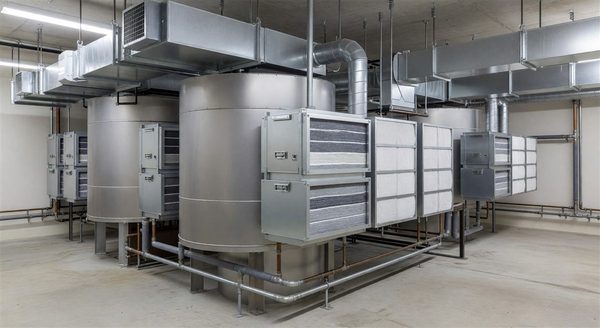
Mechanical system readiness: HVAC systems that haven’t been operated at normal capacity may have pilot lights extinguished, refrigerant issues from component degradation, or electrical issues from moisture in idle equipment.
Guestroom Deep Cleaning Protocol
Phase 1: Pre-Cleaning Assessment
Before cleaning begins, inspect each room for:
- Any evidence of water intrusion (ceiling stains, damp spots, efflorescence on windows)
- Pest evidence (droppings, nesting, entry points)
- Mold or mildew in bathrooms and around windows
- Equipment damage or unusual findings
Document any findings that require remediation before standard cleaning proceeds.
Phase 2: HVAC and Air Quality
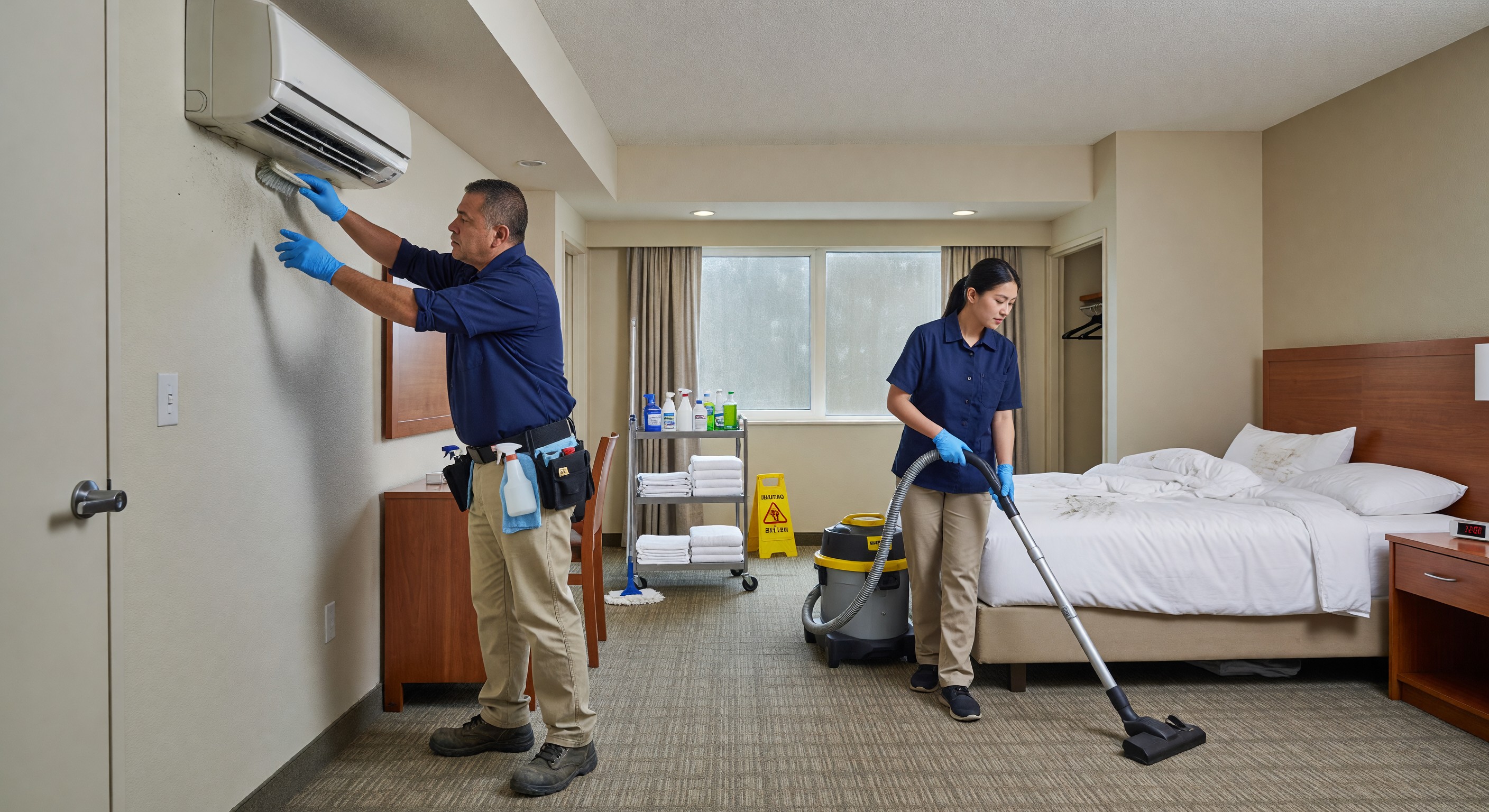
For PTAC units in guestrooms:
- Remove and clean (or replace) the filter
- Clean the coils with appropriate coil cleaner
- Wipe down the interior surfaces accessible without disassembly
- Run the unit in each mode (cooling, heating, fan) for 15 minutes to verify operation
- Check that the outdoor air damper is properly sealing when in heating mode
For rooms with ceiling fans:
- Clean blades and motor housing
- Verify blade attachment screws are tight
- Run at all speeds to verify operation
Phase 3: Soft Goods
Mattresses: Inspect for stains, odors, or pest evidence. Flip if applicable. Replace mattress pads and protectors.
Pillows: Inspect and launder, or replace if at end of lifecycle (typically 2–3 years for hotel pillows). Extended closure is an appropriate time to assess the pillow stock quality.
Upholstered furniture: Vacuum thoroughly with HEPA-filtered vacuum. Treat stains as appropriate. If any mold or mildew is present, professional remediation may be required.
Carpets: Deep extract clean all guestroom carpets as part of the reopening protocol.
Drapes and curtains: Launder or steam clean. Inspect tracks and operate the full range of motion.
Bed skirts and decorative pillows: Launder or clean per manufacturer recommendations.
Phase 4: Hard Surfaces
Work systematically from top to bottom:
- Ceiling fixtures, light covers, and sprinkler heads (clean without directing water into sprinkler heads)
- Wall sconces and all light fixtures
- Mirrors and artwork glass
- All horizontal surfaces (dressers, nightstands, desk, mini-bar)
- PTAC/thermostat exterior
- Television screen and frame
- Telephone (clean and disinfect all surfaces)
- Door hardware (handles, lock, peephole)
- All drawer interiors
- Closet rod, hooks, and shelf
Phase 5: Bathroom Deep Clean
The bathroom requires systematic attention to areas that standard daily cleaning may not address thoroughly:
- Exhaust fan grille and housing (remove and clean internally if accessible)
- Grout lines (scrub with appropriate grout cleaner)
- Caulk inspection (replace any caulk showing cracking, separation, or mold)
- Behind and beneath toilet
- Under-sink cabinet interior
- Shower door/curtain tracks
- All plumbing fixtures disinfected
- Flush toilet and run all water fixtures as part of the water system flushing protocol
Phase 6: Room Inspection and Final Setup
After cleaning, conduct a structured room inspection:
- All HVAC functions verified (cool, heat, fan)
- All lighting tested (including clock radio/clock face)
- Television function verified
- Telephone dial tone and speed dial verified
- Safe function verified
- All drawer hardware functions
- Door closes and latches properly, lock functions correctly
- Mini-fridge clean and cold
- All accessories and amenities properly stocked
Public Area Deep Cleaning
Lobby and Common Areas
Public spaces that have seen reduced traffic still accumulate significant soiling from whatever foot traffic occurred, plus dust and environmental accumulation.
Priority areas:
- All upholstered seating (vacuum, then spot treat, then professional clean)
- All hard floor surfaces (sweep, deep scrub, and refinish if necessary)
- Elevator interiors (full detail including cab interior walls, buttons, thresholds)
- Stairwell handrails and surfaces throughout
- Lighting fixtures throughout
- HVAC supply and return grilles
Food Service Areas
Kitchen and restaurant spaces require food-safe cleaning protocols and regulatory compliance:
- Complete kitchen deep clean per health department standards
- Grease trap pumping and inspection
- Hood cleaning (commercial kitchen exhaust systems)
- All equipment surfaces
- Floor drain cleaning
- Pest inspection and treatment
Bar and dining room furniture: deep clean all upholstered seating, clean all tables and bases, sanitize menus (or replace disposable).
Fitness Center
Fitness equipment: wipe down all surfaces with appropriate gym equipment cleaner, oil cables and weight stack pins, verify all electronic console function, inspect weight plates and free weights.
Fitness room floor: deep clean (specific to the floor surface — rubber, wood, or carpet).
Locker room and shower areas: full deep clean including tile grout, shower fixtures, and all high-touch surfaces.
Water System Flushing and Monitoring
As discussed in the plumbing systems section, water system flushing is not part of standard cleaning — it’s a health and safety protocol that should be coordinated with the plumbing PM program.
For a reopening situation after extended closure:
- Flush all guestroom fixtures (run all taps and showers for minimum 30 minutes per room, or per the property’s Water Management Program)
- Coordinate with the domestic water system vendor for temperature verification throughout the distribution system
- Consider pre-opening Legionella testing if the closure exceeded 60 days
- Verify all building amenity water features (pools, spas, decorative fountains) meet applicable health standards before opening to guests
Documentation and Brand Compliance
Documentation of the deep cleaning process is both an operational and a brand compliance requirement. Many hotel brands have specific reopening cleanliness certification programs. Maintain:
- Room-by-room inspection records for guestroom deep cleaning
- Equipment service records for HVAC and mechanical restart
- Water system flushing logs
- Pest inspection report
- Any remediation work records (water damage repair, mold remediation)
FAQ
How long does a proper deep cleaning and reopening process take for a 200-room hotel? A full deep cleaning, equipment verification, and water system restart for a 200-room property typically requires 10–20 days depending on staffing availability and the condition of the property. Plan around this timeline rather than rushing. A property that reopens with skipped steps creates maintenance and health risks that will surface after guests arrive.
Can we use the same disinfectants for deep cleaning as for daily housekeeping? The appropriate disinfectants depend on the surface and the pathogen of concern. EPA List N products are appropriate for COVID disinfection. Products listed on NSF 2 are appropriate for food-contact surfaces. HVAC coil cleaning requires manufacturer-recommended coil cleaners. Use the right product for each application.
How do we prioritize if we can’t fully deep clean before the first guests arrive? Prioritize in this order: all occupied-room guestrooms and their HVAC systems, all food service areas, the lobby and front desk area, elevator interiors. Defer back-of-house areas and vacant room wings to subsequent days. Never compromise on water system flushing or guestroom HVAC cleaning.
What should we do if we find mold during the deep cleaning process? Minor surface mold (less than 10 square feet) can typically be remediated by trained hotel staff with appropriate PPE and fungicidal cleaner. Mold covering larger areas, mold on porous materials (behind wallpaper, inside walls), or any evidence of systemic moisture intrusion requires professional mold remediation before the space is occupied. Remediating improperly can spread spores and create health liability.
Further Reading from Authoritative Sources
- CDC building reopening water system and Legionella prevention guidance — The CDC provides authoritative building reopening guidance specifically covering water system Legionella management, mold remediation protocols, and sanitation standards applicable to hotels after extended closure.
- EPA List N disinfectants for hotel surface sanitation — The EPA maintains the authoritative List N of registered disinfectants effective against specific pathogens, providing the regulatory basis for disinfectant selection in hotel deep cleaning programs.