Digital keys for hotel guest rooms have reached maturity — and multiplicity. What began as a single channel (brand loyalty apps with Bluetooth low-energy key capability) has expanded to include Apple Wallet hotel keys, Google Wallet hotel keys, and wearable access credentials at select properties. By 2026, full-service hotels must manage a multi-modal access environment where guests use different credential types based on their device preferences, app habits, and technology comfort level.
This guide covers the current digital key technology landscape, what each modality requires from hotel infrastructure, and how to manage a multi-modal deployment effectively.
The Digital Key Landscape in 2026
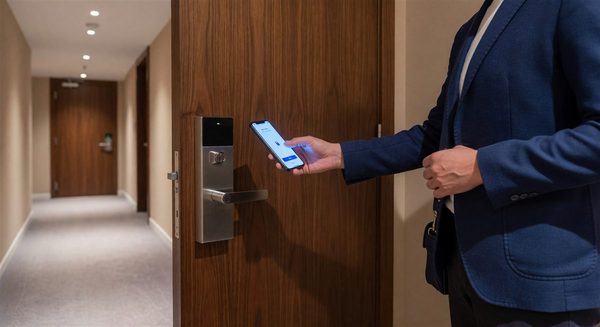
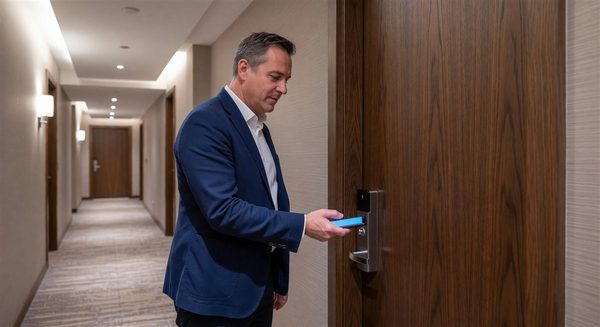
BLE (Bluetooth Low Energy) mobile keys via brand/hotel app: The foundational digital key channel. The guest checks in via the brand loyalty app (Marriott Bonvoy, Hilton Honors, Hyatt, IHG) or the hotel’s own app, activates their digital key, and uses the app to unlock their room by holding the phone near the lock. Requires BLE-capable RFID locks throughout the property and a certified integration between the brand/hotel app and the lock management system. Adoption among eligible guests at mature programs: 25–40%.
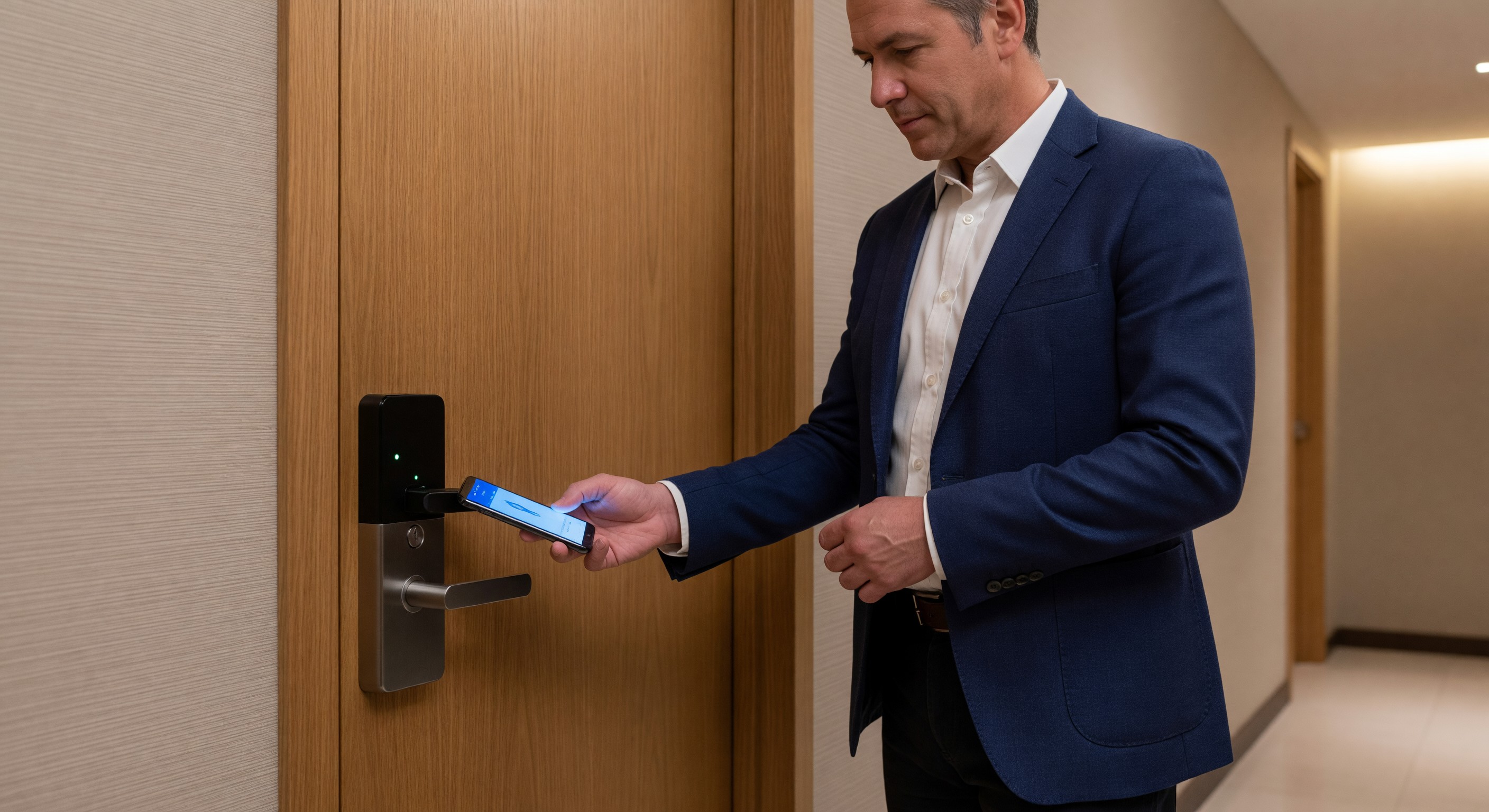
Apple Wallet hotel keys: NFC-based credentials stored in the iPhone’s Apple Wallet (the same interface as transit cards and payment cards). Available at select Hilton and Hyatt properties as of 2025, expanding as more lock manufacturers support the ASSA ABLOY and dormakaba lock integrations required. Guest experience: tap iPhone or Apple Watch to the lock — no app launch required. Works in Express Mode (without requiring Face ID or passcode for speed).
Google Wallet hotel keys: Android equivalent of Apple Wallet keys — stored in Google Wallet, tap to unlock. Available at the same brand partnerships as Apple Wallet keys but Android-platform specific. The Android ecosystem’s fragmentation (more device varieties, varied NFC implementation) has made Google Wallet key deployment more technically complex than Apple Wallet.
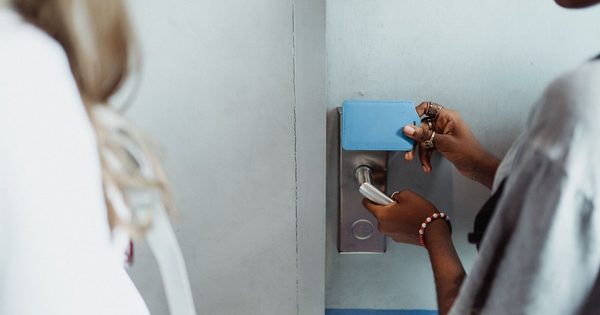
Wearable access credentials: RFID wristbands (common at resort properties for pool and beach access) and integration with fitness trackers (at select luxury properties) for guest room access. Wearable credentials are niche but growing in the resort segment where guests want access without carrying a phone or card.
Physical key cards: Still the primary credential for guests who don’t use digital keys — and will remain so for the foreseeable future. Modern DESFire EV3 and HID Seos card technology provides robust cryptographic security against cloning.
Infrastructure Requirements by Modality
BLE mobile keys: Requires BLE-enabled locks (compatible with ASSA ABLOY Mobile Access, dormakaba AMBIANCE, Allegion ENGAGE, or equivalent platforms). Compatible locks must be certified by the brand’s technology program. Elevator access via BLE requires BLE-capable elevator floor readers. Amenity access (gym, pool, club lounge) requires BLE-capable readers at those points.
Apple/Google Wallet keys: Requires NFC-capable locks with the specific certification for Apple or Google Wallet key integration. NFC is a different physical interface from BLE — not all BLE-capable locks support wallet-based NFC credentials. As of 2026, the set of locks supporting both BLE and NFC wallet keys is growing but not universal. Check with your current lock vendor on wallet key compatibility.
Elevator integration: Digital key use for elevator floor selection (ensuring guests can only access their assigned floor) requires elevator floor reader integration — either BLE or NFC readers at each elevator button panel. This is often the most significant infrastructure upgrade for properties pursuing comprehensive digital key programs, as elevator readers require both hardware installation and software integration with the lock management and elevator control systems.
Network requirements: BLE lock management systems typically use a WiFi-connected gateway network throughout the hotel (lock clusters connect to WiFi gateways that communicate with the cloud-based lock management server). Adequate WiFi coverage in all guest corridors and common areas is a prerequisite for reliable BLE key function.
Guest Adoption Patterns and Optimization
Digital key adoption is not uniform across all guest segments:
High adoption segments: Frequent business travelers who use loyalty apps regularly; guests who have experienced digital keys at other properties; younger travelers comfortable with mobile-first experiences.
Lower adoption segments: Leisure travelers who don’t use brand apps; international travelers unfamiliar with BLE key functionality; older travelers who prefer physical credentials; groups where credential distribution for multiple guests in one room creates app-sharing complexity.
Adoption optimization strategies:
- Clear pre-arrival communication (explain how to activate the digital key before arrival)
- Check-in flow that prompts digital key activation before folio confirmation
- Staff training to actively offer and explain digital key to guests at check-in
- Wallet key promotion for guests without the brand app (reduces the friction of app download)
Managing Multi-Modal Access
Running BLE, NFC wallet, and physical card credentials simultaneously requires clear operational protocols:
Lock management system: Credentials from different channels (app key, wallet key, physical card) must all be managed through the same lock management platform. The lock management system must support simultaneous credential types and manage expiration and deactivation consistently across all modalities.
Lost/expired credential replacement: A guest who reports a non-functional digital key needs the same response protocol as a lost physical card — identity verification, credential deactivation, and new credential issuance. For digital keys, credential reissuance happens through the app or wallet rather than at the card encoder, but the identity verification step is equally important.
Staff training for troubleshooting: Front desk and engineering staff need to troubleshoot digital key failures — common causes include Bluetooth disabled on the guest’s phone, low phone battery affecting BLE performance, lock firmware update required, or credential synchronization failure. A practical troubleshooting flowchart reduces the number of digital key problems that escalate to physical card replacement.
Frequently Asked Questions
Which digital key technology — BLE app or NFC wallet — should hotels prioritize in 2026? Both matter for different guest segments. App-based BLE keys serve guests who are already engaged with the brand loyalty program — and those guests tend to be the highest-value repeat customers. Wallet keys (Apple and Google) reduce the friction for guests who don’t want to download an app — expanding the digital key accessible population. Hotels with brand-certified locks should pursue both channels if their lock vendor supports both. The priority between the two depends on the hotel’s guest mix and which channel their specific lock platform supports most robustly.
How does a hotel guest use an Apple Wallet hotel key? During mobile check-in via the Hilton Honors or Hyatt app (for supported properties), the guest is prompted to add the hotel key to Apple Wallet. The key appears in Wallet as a hotel room card. To unlock the room, the guest holds their iPhone or Apple Watch near the lock reader — no app launch or screen unlock required if Express Mode is enabled (and it is, by default). The key activates upon check-in confirmation and automatically deactivates after checkout.
What happens if a hotel guest’s phone battery dies and they have no physical key card? This is the primary guest concern with digital-key-only stays. Apple Wallet hotel keys work with iPhone’s Power Reserve mode — the phone can use its key even when the battery is too depleted to power the display, for up to 5 hours after battery depletion. Android Power Reserve for NFC is device-dependent. BLE app keys may not function with a dead battery. Hotels should have a protocol for quickly issuing a physical key card as a backup for digital key guests — this should never be a lengthy or punitive process.
What is the digital key enrollment rate that hotels should target? Program maturity benchmarks: 20–30% enrollment in year 1 of a digital key program, growing to 35–50% at mature programs with active promotion. Properties that achieve 50%+ enrollment typically have: app-first check-in flows that make digital key the default option, trained staff who actively offer digital key at check-in, strong pre-arrival communication about digital key benefits, and wallet key available for guests who prefer not to use brand apps. Set realistic enrollment targets based on your guest mix and measure progress quarterly.
Further Reading from Authoritative Sources
- HFTP hotel digital key technology and access control standards — HFTP provides hospitality technology standards for digital key deployment, mobile access credential management, and guest-facing technology integration applicable to hotel digital key program planning, infrastructure requirements, and adoption measurement.
- AHLA hotel mobile key program implementation and adoption standards — AHLA provides hospitality industry guidance on digital key program implementation, guest adoption strategies, multi-modal access management, and technology investment frameworks applicable to hotel digital key ecosystem planning and operational management in 2026.