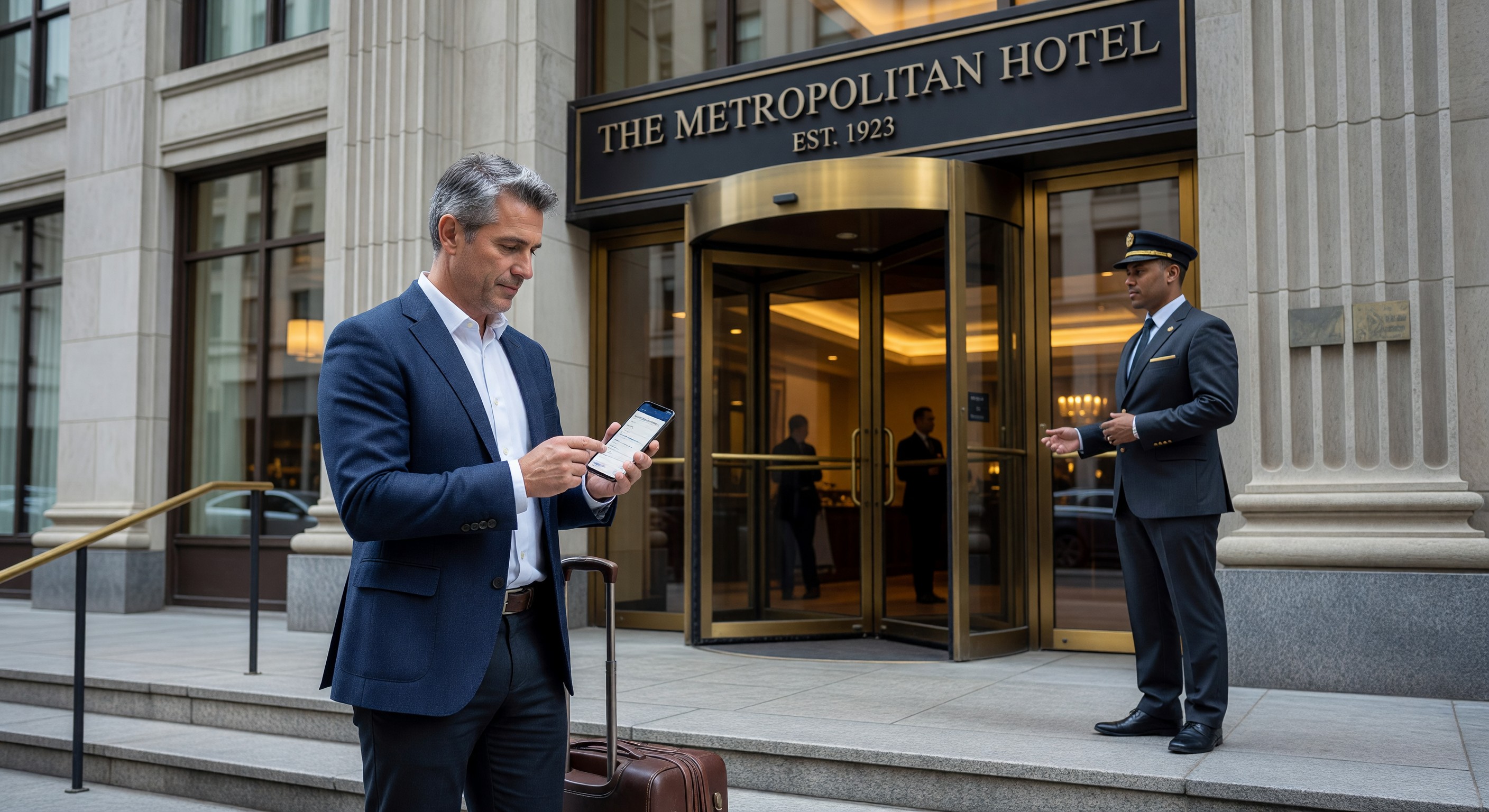
Contactless check-in emerged as an operational necessity during the pandemic’s social distancing requirements and has evolved into a genuine guest preference option for a meaningful segment of hotel travelers. By 2025, the technology is mature, the guest adoption patterns are well-understood, and the operational integration with PMS and door lock systems is reliably achievable.
What’s still evolving is the balance: hotels that went too far toward digital-only check-in discovered that the segment of guests who want — and sometimes need — human interaction at arrival is larger than early adoption enthusiasm suggested. Properties that maintained robust digital and human check-in options have achieved the best of both outcomes.
The Technology Stack Behind Contactless Check-In
A fully functional contactless check-in workflow requires integration across several systems:
PMS (Property Management System): The source of truth for reservation data. Contactless check-in processes must read reservation data (guest name, room type, arrival date, special requests), confirm room assignment, and write check-in completion back to the PMS before the guest can be issued a digital key.
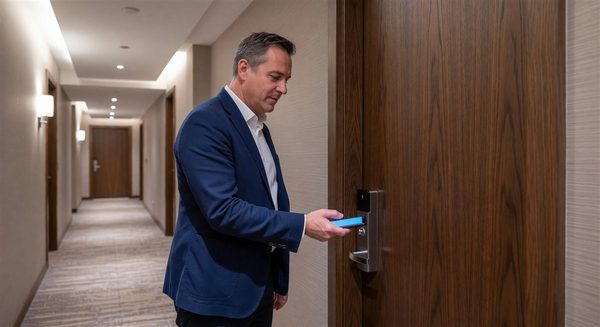
Digital room key platform: Mobile key issuance (Bluetooth or NFC) requires a compatible lock platform and a mobile key provider (brand app, third-party hospitality app). The key must be issued only upon confirmed check-in — not before — to prevent early room access while prior guests or housekeeping are still in the room.
Payment processing: Pre-authorization of the credit card on file (for incidentals) and processing of any balance due at check-in must be handled digitally. Guests who complete contactless check-in shouldn’t need to present a card at the front desk unless adding a new card to the reservation.
ID verification: Most jurisdictions and all major brands require government ID collection at check-in. Digital ID verification (scanning a driver’s license or passport using the phone camera, with liveness check) handles this requirement for contactless workflows. ID verification technology from providers like Jumio, Onfido, and Au10tix is increasingly integrated into hospitality check-in platforms.
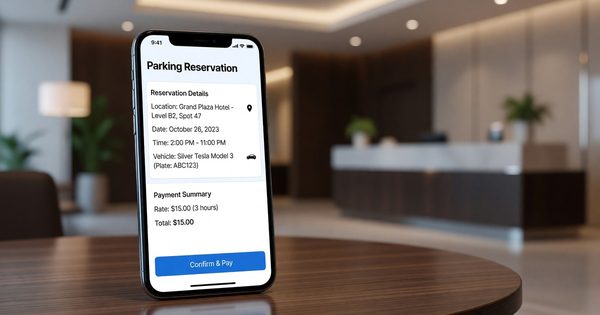
Upgrade and upsell workflow: The check-in moment is an effective upsell opportunity. Digital check-in platforms should offer room upgrades, extended checkout, early check-in, parking, and dining reservations as part of the pre-arrival engagement sequence.
Adoption Rates and Guest Segment Patterns
By 2025, contactless check-in adoption at hotels with mature digital programs typically runs:
- Hilton, Marriott, Hyatt loyalty program members: 40–65% complete some form of digital check-in when offered
- General hotel guests (non-loyalty): 20–35% adoption
- Business travelers (frequent, loyalty-enrolled): 55–75% prefer digital check-in and bypass front desk
- Leisure travelers (family groups, resort guests): 20–40% — higher interest in human interaction about resort orientation and amenity recommendations
- International travelers: Lower digital adoption due to app download friction and connectivity variability
These figures vary significantly by property type, brand program maturity, and how actively the property promotes the digital check-in option. Hotels that send a compelling pre-arrival email with a clear, friction-free digital check-in call to action achieve the higher end of these ranges.
The Hybrid Model: Getting the Balance Right
Properties that have achieved the best guest satisfaction outcomes with contactless check-in share several design principles:
Opt-in, not opt-out: Digital check-in is presented as an option, not a requirement. Guests who haven’t completed digital check-in by arrival are welcomed at the front desk without comment — no friction for those who prefer human interaction.
Human backup always available: When digital check-in is offered, the front desk remains staffed (potentially with different staffing levels during peak periods) for guests who prefer or need human service. Removing front desk staffing is a cost decision that creates guest experience risk.
Digital enhancement, not replacement: The best digital check-in experiences use the technology to enhance the arrival — room ready notifications, pre-assigned preferred floor, loyalty recognition — rather than simply removing the human touchpoint. Guests who feel their stay started with a personalized digital experience are more positive than guests who feel they were directed to a kiosk to avoid queuing.
Seamless escalation: When a digital check-in encounters a complication (reservation issue, ID verification failure, credit card decline, room not ready), the escalation to human assistance should be immediate and seamless — not a frustrating dead end that requires the guest to re-queue at the front desk.
Kiosk vs. Mobile Check-In
Hotel check-in kiosks (freestanding or wall-mounted self-service terminals) and mobile check-in apps represent different technology approaches with different guest experience profiles:
Kiosk check-in: Physical self-service terminal in the lobby. Supports guests without smartphones or brand apps. Provides a visible alternative to the front desk queue. Limitations: typically cannot issue mobile keys (issues physical cards); requires regular maintenance and cleaning; space requirements in lobby layout; limited personalization capability.
Mobile check-in: App-based (brand app or third-party platform). Can issue mobile room keys that enable completely touchless arrival. Higher capability for personalization and upsell. Limitation: requires guest to download app and be enrolled (adds pre-arrival friction for non-loyalty members).
Hybrid kiosk: Newer kiosk designs incorporate QR code scanning that links to the mobile check-in flow, allowing the kiosk to serve as a confirmation and physical key encoding station even when the mobile workflow is used — bridging the gap between mobile and kiosk approaches.
What’s Next: 2025–2026 Developments
Biometric check-in: Facial recognition-based check-in (linking the guest’s face to their reservation after initial enrollment) is in pilot at several major hotel brands, particularly in Asian markets. US deployment faces privacy regulatory headwinds but is advancing in specific contexts (high-security environments, loyalty-enrolled guests with explicit consent).
Walk-in contactless: Current contactless check-in workflows are optimized for guests with advance reservations. Walk-in digital experiences (same-day booking with immediate digital check-in and room key) are an emerging capability as mobile checkout and real-time inventory become more integrated.
AI-personalized arrival: Using historical stay data, AI can personalize the pre-arrival digital experience — suggesting the specific room type a loyalty member has preferred in prior stays, offering the restaurant reservation they’ve historically made on Day 1, or noting that they’ve rated pool access highly and surfacing pool-related information in the app.
Frequently Asked Questions
At what age do hotel guests most prefer contactless check-in? Survey data consistently shows digital check-in preference peaks in the 25–44 age range (50–65%+ adoption among those offered the option) and declines in older age groups (25–35% for guests over 65). However, behavioral patterns matter more than age alone — a 60-year-old frequent business traveler may strongly prefer digital check-in, while a 30-year-old resort vacationer may prefer the human interaction that helps orient them to the property.
How does contactless check-in affect front desk staffing requirements? Hotels with mature digital check-in programs report 10–25% reduction in peak front desk transaction volume, enabling some staffing efficiency. However, the impact is rarely a simple headcount reduction — the transactions that remain are more complex (issue resolution, special requests, VIP service) rather than routine check-ins. Most properties redeploy front desk staff to higher-touch service roles rather than reducing headcount proportionally.
What ID verification approach works best for mobile hotel check-in? OCR-based document scanning (guest photographs their ID, the system reads the document data) combined with liveness check (facial recognition confirming the person holding the ID matches the document photo) has become the industry standard for digital ID verification in hotel check-in contexts. The combination meets regulatory requirements for ID collection, prevents fraud, and provides a reasonable guest experience. Total ID verification process time is typically 45–90 seconds when the technology performs correctly.
Can hotels use contactless check-in to reduce late-night staffing? Yes — this is one of the practical staffing efficiency applications. Hotels with mature mobile check-in programs can maintain minimal front desk overnight staffing for service resolution and guest assistance, with digital check-in handling routine overnight arrivals autonomously. This requires 24/7 monitoring capability (someone must be able to see digital check-in completions and respond to escalations) and clear guest communication that front desk support is available if needed, even if staffing levels have changed from traditional overnight coverage.
Further Reading from Authoritative Sources
- AHLA hotel digital check-in and guest experience resources — AHLA provides hospitality industry research on contactless check-in adoption rates, guest satisfaction impacts, and digital guest experience technology applicable to hotel contactless check-in program development and evaluation.
- HFTP hotel technology and digital check-in integration standards — HFTP provides hospitality technology professionals with digital check-in integration standards, PMS compatibility guidance, and technology implementation frameworks applicable to hotel contactless check-in system selection and deployment.