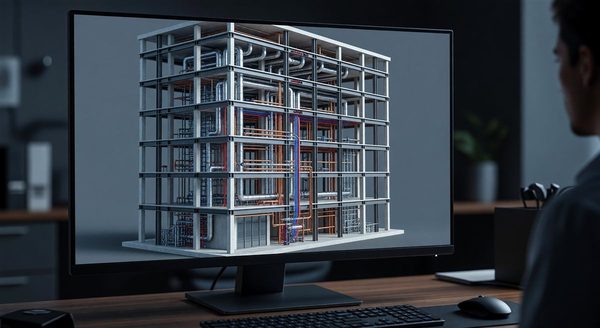
Water efficiency has moved from environmental nicety to operational and financial priority for hotel operators in many markets. In drought-stressed regions (much of the American West, parts of the Southwest and Southeast), water scarcity creates direct operational risk — utility rate increases, usage restrictions, and reputational exposure for high-consumption properties. Even in water-abundant markets, rising municipal water and sewer rates make efficiency investments increasingly attractive on pure financial grounds.
A full-service hotel consumes 80–200 gallons of water per occupied room per day — a figure that encompasses guest showers and baths, laundry, food and beverage operations, cooling towers, pools and spas, and landscape irrigation. Properties that actively manage water consumption can reduce usage by 20–40% through a combination of fixture upgrades, operational programs, and technology — with significant operating cost savings that often pay back capital investments within 2–5 years.
Water-Efficient Fixture Programs
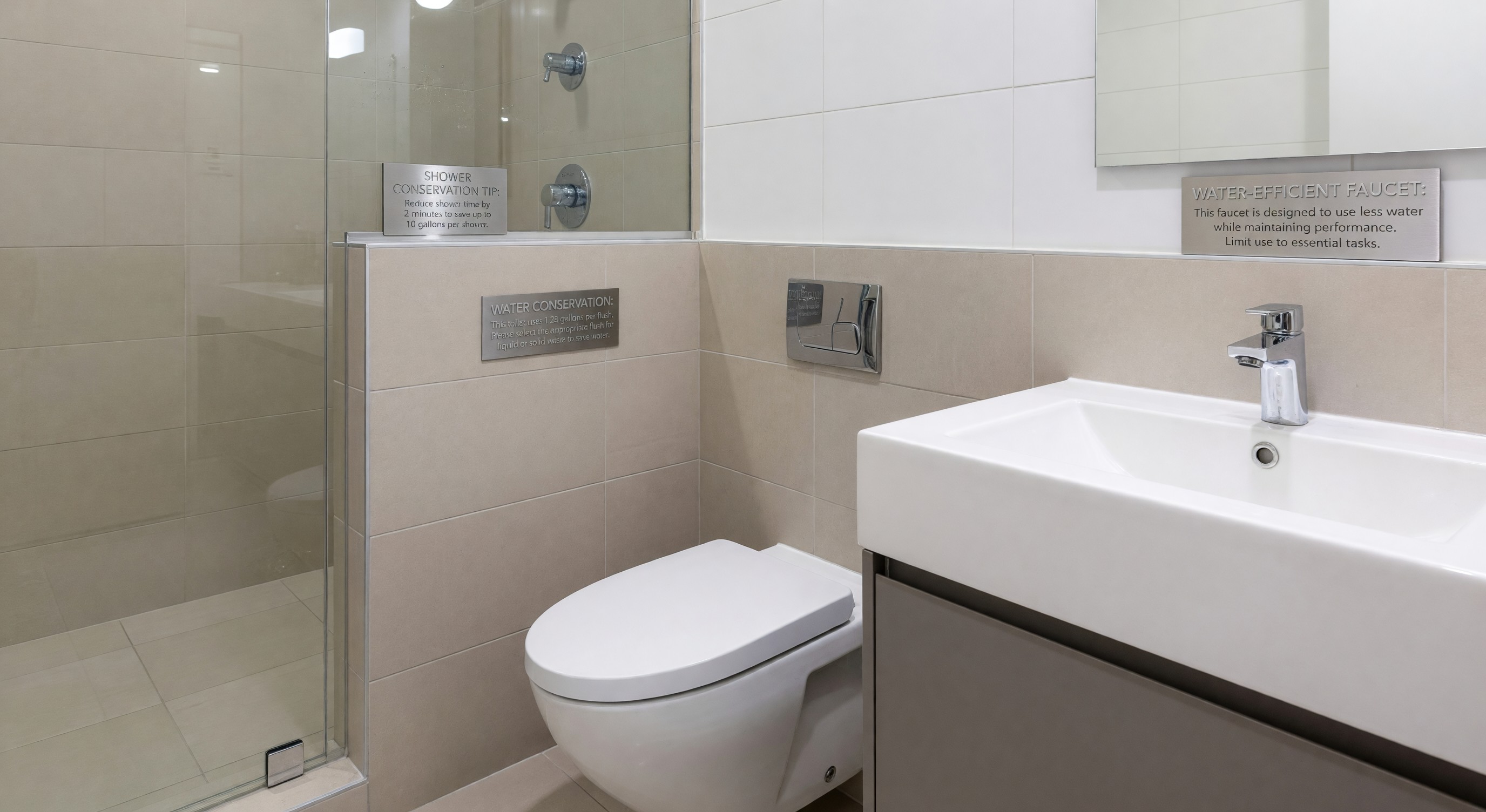
Showerheads: Standard pre-1992 hotel showerheads flow at 2.5 GPM (gallons per minute) or more; some vintage installations flow at 4–5 GPM. EPA WaterSense-certified showerheads deliver ≤2.0 GPM. Ultra-efficient models achieve 1.5 GPM with minimal guest perception of flow reduction through optimized spray patterns. Retrofitting showerheads across a 200-room hotel requires minimal capital and labor and reduces shower water consumption by 20–40%.
Faucets: WaterSense-certified lavatory faucets deliver ≤1.5 GPM versus the 2.2 GPM standard flow rate. Sensor-activated faucets in public restrooms eliminate the water waste of taps left running. Aerator retrofits on existing faucets are the lowest-cost water reduction measure available — reducing flow from 2.2 to 1.5 GPM at a material cost of $2–$5 per faucet.
Toilets: High-efficiency toilets (HETs) meeting WaterSense criteria flush at 1.28 GPF (gallons per flush) or less versus the 1.6 GPF standard or the 3.5–7 GPF of pre-1994 vintage fixtures. Toilet flappers that allow “ghost flushing” (water running continuously from tank to bowl) should be replaced immediately — a running toilet wastes 20–50 gallons per hour.
Urinals: Ultra-low-flow urinals (0.125 GPF) and waterless urinals significantly reduce water consumption in high-use public restroom facilities. Waterless urinals eliminate flushing entirely through a cartridge-based odor barrier system and require monthly cartridge replacement rather than water consumption.
Linen and Towel Reuse Programs
Linen and towel reuse programs reduce laundry volume — and the water, energy, and chemical consumption associated with laundry — by allowing guests to opt into multi-night reuse. Industry data suggests that effective linen programs reduce laundry water consumption by 10–15% and energy consumption by a comparable amount.
Best practices for linen program effectiveness:
- Clear, prominent in-room communication explaining the program and how to opt in or out
- Consistent housekeeping training on program protocols (which items to replace regardless of opt-in)
- Tracking participation rate and actual linen change data to measure program impact
- Incentive programs (loyalty points, F&B credit, donation to environmental charity) that improve participation
Without clear guest communication and consistent execution, linen programs deliver well below their theoretical potential.
Cooling Tower Water Management
Cooling towers are among the largest single water consumers at full-service hotels with central cooling plant. Evaporative cooling towers lose water through evaporation (the useful cooling mechanism), drift (water carried by air currents out of the tower), and blowdown (intentional discharge to control dissolved solids concentration).
Drift eliminators: Properly maintained drift eliminators reduce drift loss to less than 0.002% of circulation rate. Inspect and replace deteriorated drift eliminators to prevent unnecessary water loss and Legionella risk from airborne droplets.
Cycles of concentration: The ratio of dissolved solids in tower water to makeup water — the “cycles of concentration” (COC) — determines how often water must be blown down to prevent scale formation. Higher COC (more concentrated) means less blowdown and less makeup water required. Chemical treatment programs that allow higher COC operation safely reduce water consumption by 10–20% at cooling towers.
Conductivity controllers: Automated conductivity controllers add makeup water and trigger blowdown based on measured dissolved solids — more efficient than timer-based blowdown that wastes water regardless of actual concentration.
Alternative water sources: In some markets, reclaimed water (treated wastewater) or collected rainwater can be used for cooling tower makeup water — reducing potable water consumption for this non-potable use application.
Leak Detection and Monitoring
Water leaks are the highest-return-on-investment water reduction opportunity at most hotels — and the most frequently overlooked. A single running toilet wastes 20–50 gallons per hour; 10 running toilets in a hotel waste 200–500 gallons per hour — 4,800–12,000 gallons per day. At $0.006–$0.012 per gallon (combined water and sewer rates in many markets), this represents $10,000–$50,000 per year in preventable water cost.
Monthly leak check protocol: During routine housekeeping and engineering rounds, a simple toilet leak check (drop a dye tablet or food coloring in the tank; check if color appears in the bowl within 15 minutes without flushing) identifies running toilets. Log and repair all identified leaks within 48 hours.
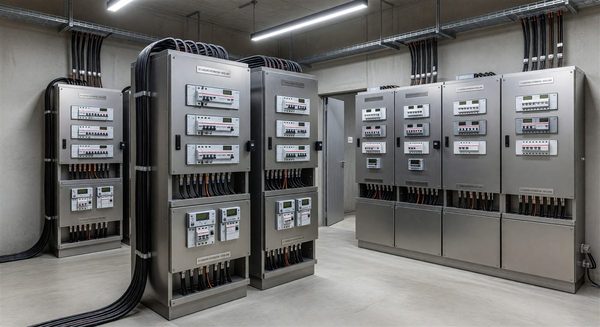
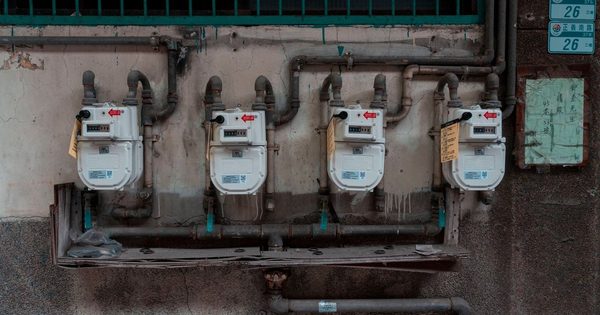
Water sub-metering: Branch metering on major water uses (guest floor distribution, laundry, irrigation, food service, cooling tower makeup) enables identification of unusual consumption patterns that indicate leaks or equipment malfunction. A floor-level meter that reads significantly higher than historical averages for similar occupancy indicates a leak on that floor.
IoT leak detection: Wireless water sensors (cost: $30–$100 per sensor) placed at toilet bases, under sinks, and near water heaters and boiler connections provide immediate notification when water is present where it shouldn’t be. Early detection of a slow leak prevents the water damage that results from hours or days of undetected flow.
Irrigation Water Management
Landscape irrigation is often the largest discretionary water consumer at resort properties and suburban hotels with extensive grounds. Best practices:
- ET-based irrigation controllers: Smart irrigation controllers that adjust schedules based on evapotranspiration data (calculated from weather station inputs) reduce irrigation water by 15–30% compared to fixed schedules while maintaining plant health
- Drip irrigation for planted beds versus overhead spray reduces evaporation and overspray waste
- Native and drought-tolerant plants reduce or eliminate irrigation needs once established
- Seasonal suspension of irrigation during rainfall periods and winter months (in most climates)
Water Conservation Reporting
Tracking water consumption and conservation program effectiveness requires monthly meter reading and documentation. Hotel water benchmarks:
- Full-service hotel median: 80–120 gallons per occupied room per day
- Resort properties: 150–300+ gallons per occupied room per day
- Target for top quartile water efficiency: 50–70 gallons per occupied room per day
ENERGY STAR Portfolio Manager supports hotel water consumption entry and benchmarking. Many brand sustainability platforms (LightStay, Serve 360) require water data alongside energy data for their sustainability scores.
Frequently Asked Questions
How much water does a typical hotel use per guest per day? Industry averages for hotel water consumption per occupied room per day: limited-service hotels, 35–55 gallons; select-service hotels, 55–80 gallons; full-service hotels, 80–120 gallons; resort properties, 150–300+ gallons. The wide range reflects amenity mix — properties with large pools, spas, F&B operations, and extensive irrigation use substantially more water than rooms-only limited-service properties.
What is the most water-intensive operation in a hotel? At most full-service properties, laundry (including towels, linens, uniforms, and food service linens) represents the largest single water consumer — typically 20–30% of total hotel water use. Cooling towers represent a close second at properties with central cooling plants. Guest showers are the most water-intensive in-room use but are distributed across hundreds of rooms and collectively represent 15–25% of total consumption.
Can hotels use greywater or rainwater to reduce potable water consumption? Greywater reuse (recirculating sink and shower water for toilet flushing) and rainwater collection for irrigation and cooling tower makeup are both feasible at hotel scale. Implementation requires state and local health department approval (regulations vary significantly), appropriate plumbing infrastructure (separate greywater and potable water systems), and filtration/treatment systems. The business case is strongest in high water cost markets and in jurisdictions with supportive greywater reuse regulations.
What are typical payback periods for hotel water efficiency investments? Showerhead retrofits: 6–24 months depending on current flow rate and water rates. High-efficiency toilet replacement: 3–7 years (or much less if replacing 3.5+ GPF vintage fixtures). Cooling tower conductivity controllers: 1–3 years. IoT leak detection systems: 6–18 months if a significant leak is detected in the first year (often the case at properties that haven’t conducted systematic leak audits). Smart irrigation controllers: 1–4 years in markets with meaningful water costs and significant landscape irrigation.
Further Reading from Authoritative Sources
- EPA WaterSense hotel fixture standards and water efficiency resources — The EPA WaterSense program provides certified fixture specifications, hotel water efficiency benchmarks, and conservation program guidance applicable to hotel fixture upgrade programs and water consumption reduction targets.
- DOE building water efficiency and ENERGY STAR benchmarking resources — The DOE Buildings program provides ENERGY STAR water benchmarking tools, smart building water management guidance, and efficiency program resources applicable to hotel water conservation program development and performance tracking.