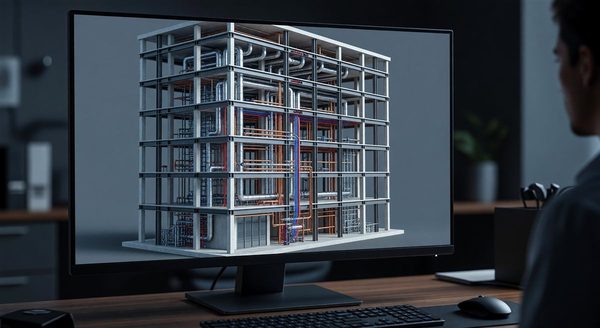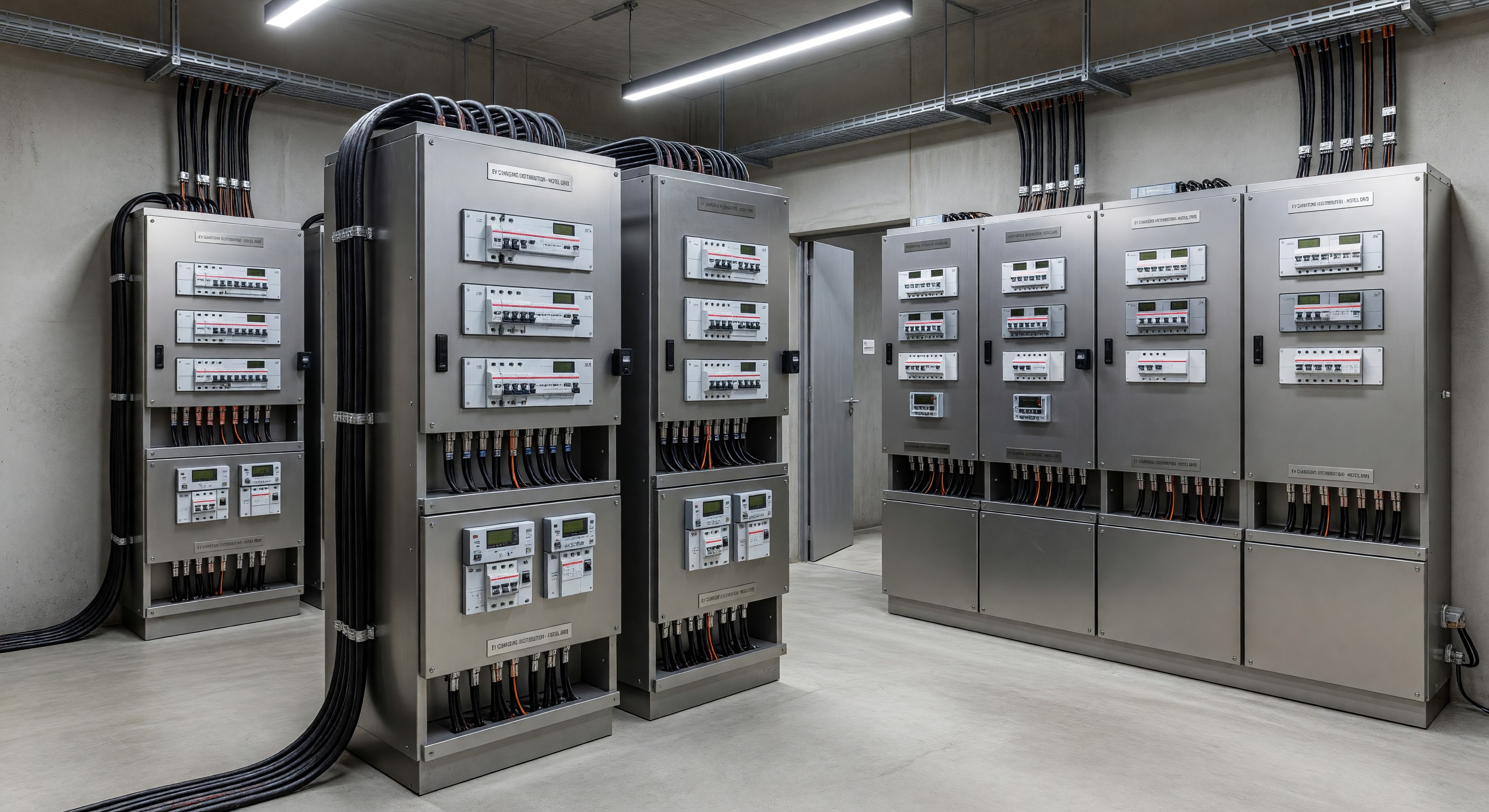
EV charging is a guestroom-level amenity decision that has building-systems-level infrastructure implications. A hotel that commits to deploying 20 Level 2 charging stations is committing to adding 80–120 kW of electrical load to its parking facility — potentially 15–25% of the total building electrical demand at some properties. That load addition is not simply a question of purchasing chargers; it requires careful electrical infrastructure assessment, utility coordination, and in many cases, significant upstream electrical upgrades.
This guide focuses on the building systems dimensions of hotel EV infrastructure: electrical capacity assessment, transformer and service upgrade considerations, utility interconnection, and the demand charge management strategies that prevent EV charging from generating unexpected utility cost increases.
Electrical Load Assessment
Before specifying EV charging equipment, conduct a formal electrical capacity assessment. This evaluation answers:
Current service capacity: What amperage and voltage does the hotel’s utility service provide? What are the current demand levels, and what headroom exists for additional loads?
Panel capacity: The distribution panels serving the parking facility — or panels from which parking circuits would be fed — have finite capacity. Panels nearing full capacity require either upgrades or sub-feeder work to add significant new loads.
Feeder routing and capacity: From the main switchgear to the parking facility, what is the capacity and condition of existing feeders? Routing new feeders from the main switchgear to remote parking areas is one of the primary cost drivers of EV charging retrofit projects.
Utility demand threshold: Many utilities penalize demand above certain thresholds at premium rates. Understanding where the hotel currently sits relative to these thresholds — and what adding EV charging loads would do to peak demand — is essential for financial planning.
Engage a licensed electrical engineer for this assessment. A qualified electrical engineer can calculate available capacity based on actual utility billing data and measured load profiles (more accurate than nameplate capacity estimates) and identify the lowest-cost path to the required EV charging capacity.
Transformer and Service Upgrades
Many hotels — particularly those built in the 1980s–2000s before EV charging was anticipated — have electrical service sized for building loads without significant EV charging capacity. Common scenarios:
Utility transformer upgrade: If the hotel’s utility-owned transformer is at or near capacity, adding substantial EV charging load requires the utility to install a larger transformer. In many service territories, this upgrade is at the utility’s cost as part of their distribution infrastructure — but requires advance planning (utility transformer lead times can be 12–24 months for custom units) and formal capacity request process.
Utility make-ready programs: Many utilities offer “make-ready” programs that provide and install the primary electrical infrastructure (transformer, meter, conduit to parking area) at no cost to the building owner, requiring only purchase and installation of the EVSE hardware. These programs dramatically reduce the capital cost of EV charging deployment for qualifying hotel properties. Research your utility’s EV infrastructure programs early in planning — program availability and cost structures change frequently.
On-site transformer addition: For parking structures or remote surface lots with adequate electrical service at the building but no distribution infrastructure to the parking area, adding a step-down transformer close to the parking area (fed by a medium-voltage feeder from the building) may be more economical than routing high-amperage low-voltage feeders long distances from the main switchgear.
Conduit and Wiring Infrastructure
The per-unit cost of EV charging infrastructure is dominated not by the charger hardware but by the conduit, wiring, and panel work required to connect chargers to power. Cost per charging stall for electrical infrastructure can range from $1,500 (short conduit run to nearby panel with available capacity) to $25,000+ (remote location, limited panel capacity, long conduit run in existing parking structure).
Reduce future infrastructure costs by planning ahead:
- During any parking facility construction or major renovation, install conduit home runs and junction boxes to all potential EV charging stall locations — even those not initially equipped
- Install panel capacity for future EV loads in the electrical room serving the parking facility
- Size conduit larger than current requirements anticipate to provide pull-through capacity for future circuits
The incremental cost of these “EV-ready” measures during construction or renovation is a fraction of the retrofit cost required later.
Demand Charge Management
Commercial electricity rates typically include demand charges — fees based on peak power consumption during any 15-minute interval in the billing period. Demand charges can represent 30–50% of total electricity cost for commercial properties, and unmanaged EV charging can significantly increase measured peak demand.
Consider a hotel that currently peaks at 400 kW. Adding 20 unmanaged Level 2 chargers (each at 7.2 kW) creates potential additional peak demand of 144 kW — a 36% increase in measured peak demand and a corresponding increase in demand charges.
Smart charging and load management: All commercial-scale hotel EV charging deployments should include intelligent load management:
- Managed charging software (available through ChargePoint, Blink, EV Connect and similar platforms) limits simultaneous charger output so total EV charging load stays within a defined budget
- Time-of-use rate optimization: Where utility time-of-use rates apply, managed charging can shift charging sessions toward off-peak rate periods — overnight charging at lower rates versus daytime charging at premium rates
- Demand peak shaving: Integration of EV charging management with the building energy management system allows EV charging load to be reduced automatically when other building loads are high, preventing new demand peaks
Battery storage for demand management: Some hotel EV charging deployments use on-site battery energy storage (BESS) to “charge the batteries when electricity is cheap, discharge for EV charging during demand peak periods.” This approach reduces demand charges and can enable higher EV charging capacity than the electrical service alone would support, but requires significant capital investment in battery systems.
Utility Interconnection Process
Adding significant electrical capacity requires formal utility interconnection process:
- Load letter request: Submit a formal request to the utility identifying the additional load (kW), location, and requested in-service date
- Feasibility study: Utility reviews available capacity and identifies required distribution infrastructure modifications
- Cost estimate: Utility provides cost estimate for required infrastructure; make-ready programs may cover primary infrastructure
- Design and permitting: Engineering design of the electrical system modifications, with local building department electrical permit
- Construction and inspection: Electrical contractor installs permitted work; utility and local inspection before energization
Total timeline from initial request to energized EV charging: 6–18 months depending on utility lead times, permit processing, and contractor availability. Begin utility coordination well before the desired EV charging in-service date.
Frequently Asked Questions
How much electrical capacity does a hotel need to add 20 Level 2 EV charging stalls? The electrical capacity requirement depends on the Level 2 charger amperage. Common Level 2 EVSE is rated at 30–40A (240V), delivering 7.2–9.6 kW per station. Twenty stations at 7.2 kW each have a nameplate capacity of 144 kW. With managed charging, simultaneous demand can be limited to 50–60% of nameplate — 72–86 kW — which is the realistic electrical service addition required. Always include managed charging in the EV infrastructure design to prevent full nameplate demand.
What is a utility “make-ready” program and how does a hotel access it? Make-ready programs are utility-offered programs where the utility installs the primary electrical infrastructure to support EV charging — typically including the service upgrade, meter, and conduit to the parking area — at no or reduced cost to the property owner. The hotel then purchases and installs the EVSE hardware. Program availability varies by state and utility. Contact your utility’s commercial customer representative or check their website for “EV charging incentives” or “make-ready program” information. California, New York, Massachusetts, and several other states have well-established make-ready programs.
How do demand charges affect the economics of hotel EV charging? Unmanaged EV charging that increases the hotel’s peak demand by 15%+ can materially increase monthly utility bills. In markets with demand charges of $15–$25/kW-month, an additional 50 kW of peak demand adds $750–$1,250 per month to utility bills — $9,000–$15,000 annually. Smart charging that keeps EV loads within existing peak demand eliminates this cost, while allowing guest charging service. Include demand charge analysis in the EV charging business case for any deployment above 6–8 stations.
Can a hotel’s existing electrical service handle EV charging expansion? Many hotels have meaningful unused electrical service capacity that can support initial EV charging deployment (4–8 stations) without any service upgrades. Assessing available capacity requires a formal electrical load study — not just a visual inspection of the electrical room. Hotels that have upgraded lighting to LED, added variable-speed drives, or reduced other loads since original electrical service installation may have more available capacity than their service size alone suggests.
Further Reading from Authoritative Sources
- DOE building electrification and EV infrastructure resources — The DOE Buildings program provides resources on commercial building electrification, EV charging infrastructure planning, and federal incentive programs for energy upgrades.
- EPA eGRID regional electricity carbon intensity data — The EPA’s eGRID database provides regional electricity carbon intensity data used in EV infrastructure environmental impact analysis and sustainability reporting.