LEED (Leadership in Energy and Environmental Design) certification signals to guests, employees, and investors that a hotel property has met defined standards for environmental performance. For existing hotel properties, the relevant certification path is LEED O+M (Operations and Maintenance) — a performance-based certification that evaluates how the building is actually operated, not just how it was designed or built.
LEED O+M is recertified on a regular basis (currently every 3 years under LEED v4.1 O+M), which distinguishes it from new construction certifications that are awarded once at project completion. This recertification requirement means that LEED O+M is genuinely an ongoing operational achievement — a hotel that performs well operationally maintains its certification; one that allows performance to slip may lose it.
The LEED O+M Framework
LEED v4.1 O+M is organized around credit categories, each addressing different aspects of building performance. Hotels pursuing certification earn points within each category; the total points determine certification level (Certified, Silver, Gold, Platinum).
Energy and Atmosphere (highest point potential): Energy performance is the dominant credit category in LEED O+M, reflecting its primacy in sustainability impact. The primary credit — ENERGY STAR certification for the facility — awards up to 18 points based on the ENERGY STAR score (a percentile score that compares the building’s energy performance against similar buildings nationwide). Hotels with ENERGY STAR scores above 75 qualify for ENERGY STAR certification; scores above 90 typically achieve LEED Gold+ in this category alone.
Additional energy credits for: renewable energy use (on-site solar or purchased RECs), demand response participation, enhanced metering and sub-metering, and advanced energy management strategies.
Water Efficiency: Credits for water consumption performance relative to baseline, indoor water use reduction, cooling tower water efficiency, and irrigation water use. Hotels with efficient showerheads, low-flow faucets, waterless urinals, cooling tower conductivity control, and native or drought-resistant landscaping perform well in this category.
Sustainable Sites: Credits for exterior management practices — integrated pest management, erosion and sedimentation control, light pollution reduction (exterior lighting designed to minimize sky glow and light trespass), and heat island reduction (cool roofs, tree canopy, permeable paving).
Materials and Resources: Credits for purchasing policies (sustainable procurement of cleaning products, food, paper, and furniture), waste management (diversion from landfill through recycling and composting), and ongoing maintenance practices.
Indoor Environmental Quality: Credits for indoor air quality management — HVAC maintenance and filter efficiency, cleaning product specifications, integrated pest management, and occupant comfort (thermal comfort surveys, acoustic performance).
Location and Transportation: Credits for properties in walkable locations with access to public transit, EV charging for guests and employees, and reduced parking capacity relative to building size.
Prerequisites vs. Credits
LEED certification requires meeting all prerequisites before any credits are counted. Key prerequisites for LEED O+M include:
- Minimum energy performance (ENERGY STAR score ≥ 50)
- Minimum indoor air quality performance
- Environmental tobacco smoke (ETS) control (no smoking in the building)
- Green cleaning policy
- Integrated pest management policy
Properties that cannot meet prerequisites — most commonly the minimum energy performance threshold — cannot achieve certification regardless of credit performance in other categories. An energy performance assessment before pursuing LEED is warranted to confirm prerequisite eligibility.
Practical Operational Requirements for LEED Certification
LEED O+M certification requires not just good practices but documented evidence of those practices over a defined performance period (typically 12 months). Documentation requirements include:
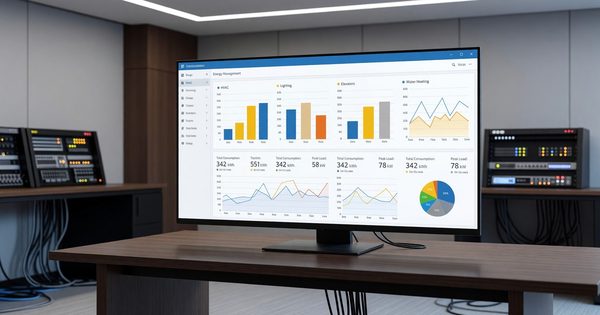
Energy and water data: Utility billing records for the full 12-month performance period, entered into ENERGY STAR Portfolio Manager. Metered sub-systems (lighting, HVAC, kitchen equipment) require separate metering data if claiming advanced energy management credits.
Purchasing records: Documentation of sustainable purchasing (percent of cleaning product purchases meeting defined criteria, percent of food expenditures meeting sustainability criteria for food and beverage credits).
Waste diversion: Waste audit data or hauler-provided diversion reports documenting recycling and composting rates.
Maintenance documentation: HVAC inspection and maintenance records, filter change records, cleaning product records — evidence that the practices claimed for credit are actually implemented.
Occupant surveys: Some credits require surveys of building occupants (guests and/or employees) on satisfaction with indoor environmental conditions — temperature, lighting, acoustics.
The Business Case for LEED O+M
Guest demand: Business travel procurement programs increasingly require or prefer LEED-certified properties for corporate accounts. Meeting program criteria expands eligibility for corporate travel programs that have sustainability requirements.
Employee recruitment: LEED-certified workplaces are a recruiting differentiator, particularly for younger engineering and operations talent who consider employer sustainability commitments in career decisions.
Operational savings: The energy and water efficiency practices required for LEED O+M reduce utility costs. Hotels that achieve ENERGY STAR certification (typically required for LEED Gold+) typically have 15–20% lower energy costs per square foot than comparable non-certified properties.
Financing: Green building certifications are increasingly recognized in sustainability-linked lending terms. LEED-certified hotel properties may access favorable rate structures on sustainability-linked loans or bonds.
Frequently Asked Questions
How much does LEED O+M certification cost? LEED O+M certification costs include: (1) GBCI registration and certification fees ($2,500–$10,000 depending on project size and whether the applicant is a USGBC member); (2) Third-party documentation preparation (often $15,000–$40,000 for a consultant to prepare and submit the certification application for a full-service hotel); (3) Any operational improvements needed to meet prerequisites or targeted credits. Total first-time certification cost is typically $25,000–$75,000 for a mid-size hotel, with recertification (every 3 years) typically 40–60% of the initial cost since documentation processes are established.
Can a hotel start LEED O+M without a sustainability consultant? A hotel with a knowledgeable Director of Engineering and access to USGBC resources can self-prepare a LEED O+M application — GBCI provides the scorecard, reference guide, and documentation templates. However, the documentation requirements are substantial and the certification process has enough nuance that most properties find a consultant’s guidance reduces rework and increases the likelihood of successful certification. The decision often comes down to internal staff capacity — self-preparation requires significant staff time that may not be available.
What is the difference between LEED certification and ENERGY STAR certification? ENERGY STAR for Hospitality is a U.S. EPA program that certifies hotel energy performance relative to peers — a score above 75 qualifies for ENERGY STAR certification. LEED is a USGBC/GBCI program that evaluates broader sustainability performance including energy, water, materials, indoor quality, and site factors. ENERGY STAR certification is a prerequisite for LEED Gold and above. A hotel can be ENERGY STAR certified without pursuing LEED; LEED certification at Silver or higher requires achieving ENERGY STAR certification as part of the process.
How does LEED recertification work? LEED O+M certification under v4.1 requires recertification every 3 years. The recertification process submits updated performance data (energy, water, waste) for the most recent 12-month period. If performance has declined — ENERGY STAR score dropped, water use increased — the recertification level may decrease (from Gold to Silver, for example) or certification may be at risk if prerequisites are no longer met. Properties that maintain and improve their operational practices typically achieve the same or improved certification level at recertification.
Further Reading from Authoritative Sources
- USGBC LEED O+M certification for hotel operations — The USGBC develops and administers the LEED certification program including LEED O+M, provides the scorecard, reference guide, and documentation templates applicable to hotel sustainability certification pursuit and ongoing performance documentation.
- DOE ENERGY STAR and building energy benchmarking resources — The DOE Buildings program provides ENERGY STAR for Hospitality resources, Portfolio Manager benchmarking tools, and energy efficiency technical guidance applicable to hotel LEED O+M energy performance prerequisites and credit achievement.