Fire suppression systems are the single most consequential life-safety technology in hotel buildings. When functioning correctly and inspected properly, automatic sprinkler systems are credited with preventing the catastrophic hotel fires that claimed hundreds of lives in the mid-20th century. Since NFPA 13 became widely adopted and retroactive sprinkler requirements have been applied to existing hotels across most jurisdictions, large-scale hotel fire fatalities have become exceedingly rare.
For facility managers, the responsibility is clear: maintain sprinkler systems and related fire suppression infrastructure in fully operational condition at all times. This guide covers the system types common to hotel applications, inspection and testing requirements under NFPA 25, and the special hazard suppression systems found in commercial kitchens, mechanical rooms, and data infrastructure spaces.
Wet Pipe Sprinkler Systems
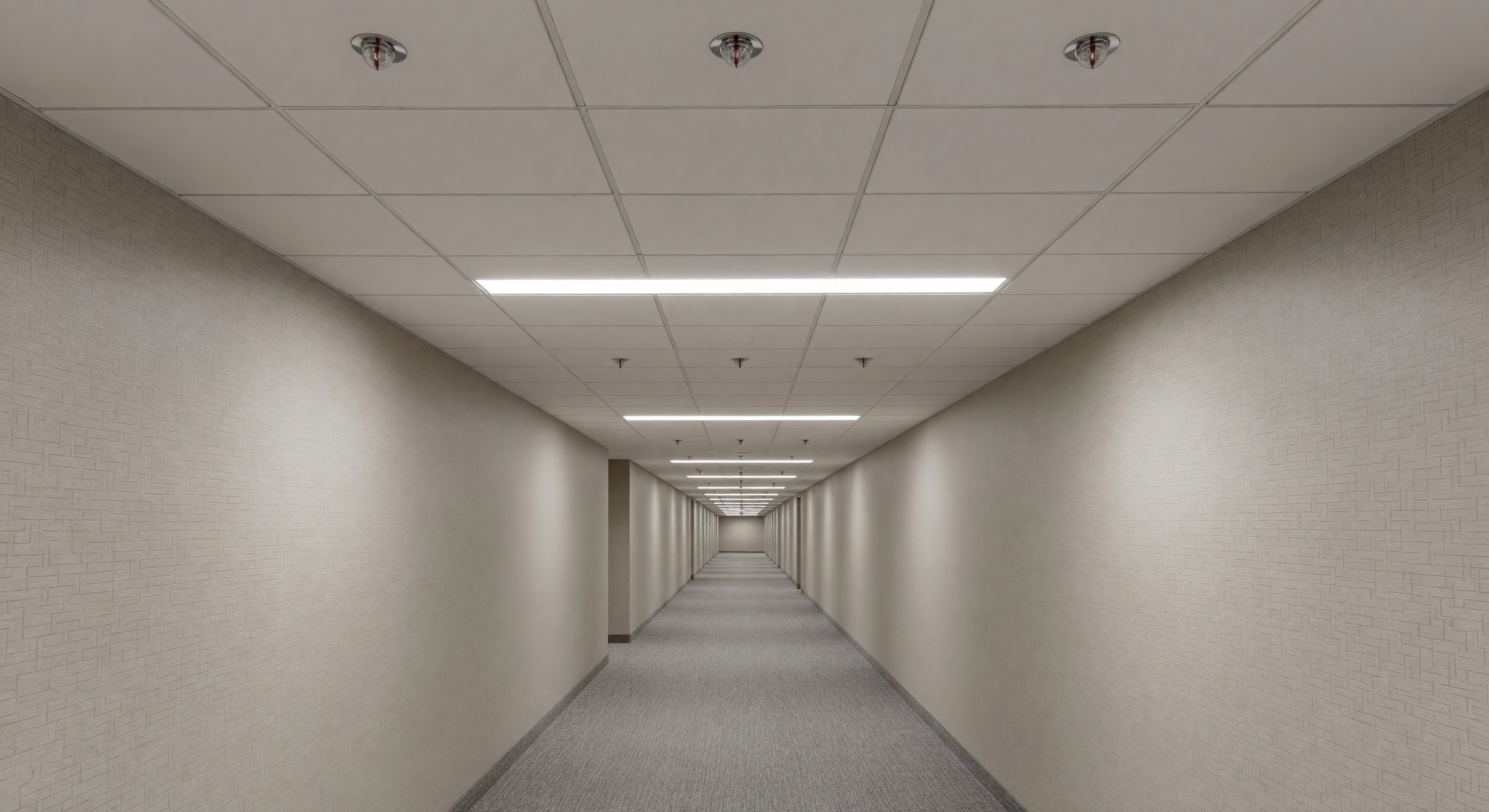
Wet pipe systems are the most common hotel sprinkler configuration. The system is constantly pressurized with water up to each sprinkler head. When a sprinkler head activates (triggered by heat melting a glass bulb or fusible link), water flows immediately.
Advantages: Simplicity, reliability, low maintenance, fastest activation response.
Disadvantages: Not suitable for unheated spaces — water in the pipes will freeze in areas below 40°F, requiring heat trace or dry pipe conversion.
Each sprinkler head activates independently based on local heat conditions — a common misconception is that all heads in a system activate simultaneously. In reality, individual head activation limits water damage to the area of fire origin.
Wet pipe systems serve guest room floors, public areas, meeting rooms, and any interior space maintained above 40°F. The system is divided into floor-level or zone-level sections with isolation valves that allow maintenance on one section while others remain operational.
Dry Pipe Sprinkler Systems
Dry pipe systems keep the distribution piping filled with pressurized air or nitrogen rather than water. When a head activates, air pressure drops, triggering a dry pipe valve that allows water to enter the system and flow to the activated head.
Advantages: Protects unheated spaces (parking garages, loading docks, cold storage areas) where wet pipe systems would freeze.
Disadvantages: Delayed water delivery (the dry pipe valve must trip and pipes must fill with water before flow begins — typically 60–90 seconds). More complex maintenance (dry pipe valves require more frequent testing and are more failure-prone than wet pipe components).
Hotel parking garages in northern climates are the most common dry pipe application. In some heated garages, wet pipe systems are used if heating is reliable and maintained year-round.
Pre-Action Systems
Pre-action systems combine characteristics of dry pipe and wet pipe systems. The distribution piping is filled with air, but water entry requires both: (1) activation of a fire detection device (smoke or heat detector), AND (2) activation of a sprinkler head. This dual-interlock requirement prevents accidental water discharge from either a damaged detector or a damaged sprinkler — making pre-action systems suitable for areas where water damage is especially costly, such as server rooms, data centers, and historic document archives.
Special Hazard Suppression Systems
Certain hotel spaces present fire risks that standard water-based sprinkler systems are poorly suited to address:
Commercial kitchen hood suppression: NFPA 17A governs wet chemical suppression systems in commercial cooking exhaust hoods. These systems discharge a potassium carbonate-based agent that saponifies cooking oil fires and provides superior knockdown of grease fires compared to water. Required in hotels with commercial cooking equipment. Must be inspected semi-annually per NFPA 17A.
Clean agent suppression (Halon alternatives): Server rooms, telecom closets, and any space where water discharge would destroy critical equipment use clean agent systems — FM-200, Novec 1230, CO2, or inert gas systems. These systems suppress fire without leaving damaging residue. Testing and inspection requirements vary by system type; engage a fire protection engineer for systems over 3 years since last inspection.
Wet standpipe systems: High-rise hotels require standpipe systems providing firefighter water connection points at each stairwell landing. Combined sprinkler/standpipe systems are common in hotels over 6 stories. Test standpipe systems in accordance with NFPA 25 — this includes hydrostatic testing of the standpipe piping on a 5-year cycle.
NFPA 25 Inspection Requirements
NFPA 25 (Standard for the Inspection, Testing, and Maintenance of Water-Based Fire Protection Systems) establishes legally recognized minimum requirements for sprinkler system maintenance. Key schedule elements:
Weekly: Verify gauges on wet and dry systems, check valve rooms for appropriate temperature, verify fire department connections are accessible and undamaged.
Monthly: Inspect all control valves for open position (sealed or locked), check gauges on dry pipe and pre-action systems, verify low point drains (dry pipe systems) are closed.
Quarterly: Inspect sprinkler heads for paint, corrosion, or physical damage; test waterflow alarm devices (flow switch activation); test supervisory alarm signals.
Annually: Full inspection by a licensed fire protection contractor, including internal inspection of dry pipe valve, low point drain testing, main drain flow test to verify water supply, and inspection of all sprinkler heads for obstructions, damage, or deviation from installed position.
5-year: Internal obstruction investigation (open system at representative points to inspect for scale, biological growth, or debris); replace sample sprinkler heads for corrosion laboratory testing; hydrostatic pressure test of standpipes.
50-year: Replace all sprinkler heads (older standard-response heads), or conduct comprehensive testing to verify continued serviceability.
All inspections must be documented. NFPA 25 requires written records of all inspection, testing, and maintenance activities. Inspection firms should provide documentation in a form compliant with local authority having jurisdiction (AHJ) requirements.
Common Compliance Failures
The most common NFPA 25 violations found during fire authority inspections at hotels include:
- Closed or impaired control valves: Found supervised closed (the system is off). This is one of the most serious violations — an impaired sprinkler system provides no protection.
- Painted or corroded sprinkler heads: Painted heads may not activate at design temperature. Corroded heads may activate prematurely or fail to activate. Replace immediately.
- Obstructions within 18 inches of sprinkler heads: Storage, decorative elements, or ceiling modifications within 18 inches horizontally of a head can deflect discharge and impair protection.
- Expired inspection documentation: Contractors who performed last inspection are out of business, records are missing, or inspection frequency requirements were not met.
Frequently Asked Questions
How often must hotel sprinkler systems be formally inspected? NFPA 25 requires quarterly inspections of waterflow alarms and supervisory devices, and a full annual inspection by a licensed fire protection contractor. Many jurisdictions also require permits for the annual inspection and copies of inspection reports be submitted to the local AHJ. Some brand standards require semi-annual contractor inspections.
What should a hotel do if a sprinkler head is accidentally damaged and activated? Immediately isolate the affected zone using the nearest control valve (facility engineering staff must know valve locations for every zone). Notify the fire department that the activation is accidental and the system has been isolated. Document the incident. Engage a licensed fire protection contractor to replace the damaged head and restore the zone to service before re-opening the affected area for guest occupancy. Never leave a zone impaired longer than necessary — document any impairment on the required NFPA 25 impairment record.
What is a dry pipe valve and how often should it be tested? A dry pipe valve is the control valve that holds air pressure in a dry pipe system and automatically opens when air pressure drops following sprinkler head activation. NFPA 25 requires annual testing of the dry pipe valve’s operational function (tripping the valve under controlled conditions to verify it opens properly) and an internal inspection to check for scaling, corrosion, and debris.
Are hotel parking garages required to have sprinklers? Requirements vary by jurisdiction and construction type. Many building codes require sprinklers in enclosed parking garages over certain square footage thresholds. IBC (International Building Code) and local amendments govern. Dry pipe or pre-action systems are used where freezing is a concern. Consult your local AHJ and fire protection engineer to confirm applicable requirements for your specific facility.
Further Reading from Authoritative Sources
- NFPA 25 hotel sprinkler system inspection requirements and fire suppression standards — NFPA 25 (Water-Based Fire Protection Systems) and NFPA 17A (Wet Chemical Extinguishing Systems) are the primary standards governing hotel fire suppression system inspection, testing, maintenance, and documentation requirements applicable to all hotel life safety compliance programs.
- OSHA hotel fire suppression maintenance and life safety compliance requirements — OSHA provides workplace fire safety requirements including sprinkler system maintenance obligations, fire protection inspection documentation standards, and employee training requirements applicable to hotel fire suppression system compliance and incident response procedures.