Hotel elevators are among the most guest-visible building systems — and among the most expensive to maintain when equipment ages beyond its optimal service window. A fully modernized elevator provides reliable, efficient service with minimal downtime and current safety features. An aging elevator struggles with increasing callback frequency, difficulty sourcing discontinued parts, and code compliance issues as safety standards advance.
The elevator modernization decision is complex: it involves significant capital expenditure, substantial guest disruption during construction, and technical decisions across mechanical, electrical, and control systems. This guide helps facility managers understand when modernization makes sense, what it involves, and how to plan the process effectively.
The Service Life of Hotel Elevators
Commercial elevators have a mechanical service life of 20–30 years, but the practical performance window often narrows to 15–25 years for hydraulic systems and 20–30 years for traction elevators. The factors that define when modernization becomes necessary:
Parts availability: As elevator equipment ages, manufacturers discontinue parts for older models. When major components (controller boards, motor drives, sheaves) are no longer available new, the property faces difficult choices: source used parts (reliability concerns), custom-machine replacements (expensive), or modernize the system.
Callback frequency: The elevator industry tracks “callbacks” — service calls for operational failures. Modern, well-maintained elevators in hotels should run fewer than 2–3 callbacks per month per unit. Properties experiencing 10–15+ callbacks monthly per elevator are spending as much on reactive maintenance as a modernization program would cost in amortized annual payments.
Energy efficiency: Older elevators — particularly hydraulic units with AC induction motors — are dramatically less energy efficient than modern variable-voltage, variable-frequency (VVVF) drives. Modernization often reduces elevator energy consumption by 40–60%.
Code compliance: Elevator safety codes (ASME A17.1) have advanced significantly over the past 20 years. Seismic requirements (in applicable zones), door reopening protection, emergency lighting, and communication requirements are all more stringent in current code. Jurisdictions regularly conduct elevator inspections and may require retroactive compliance upgrades.
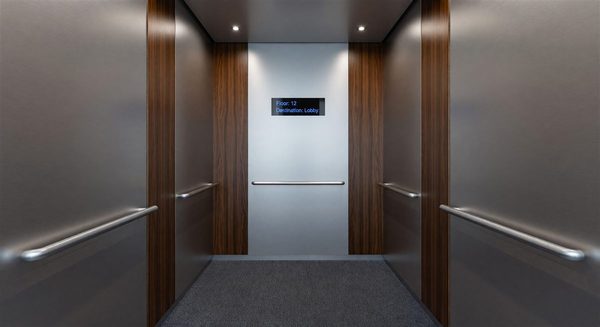
Guest experience: Door timing, leveling accuracy (how precisely the cab stops at floor level), cab noise, ride quality, and digital display systems all affect guest perception. An elevator that arrives within 6 inches of floor level, vibrates noticeably during travel, and has cab finishes worn through to bare metal reads as a neglected property regardless of other improvements.
Modernization Scope Options
Elevator modernization is not an all-or-nothing decision. Projects range from partial component upgrades to complete gut-and-rebuild:
Control system only: Replacing the controller and drive system while retaining existing mechanical components (motors, sheaves, guide rails) addresses the most common failure points and significantly improves reliability and energy efficiency. This is the most cost-effective entry point for otherwise sound mechanical systems.
Full modernization: Replaces controller, drive, motor, sheave, guide rails, cab equipment (lighting, ventilation, door operators), and cab finishes. This approach is appropriate for equipment approaching 25+ years of age where the mechanical condition warrants comprehensive renewal.
Hydraulic to traction conversion: Older hydraulic elevator systems — common in mid-rise hotels built before 1990 — use hydraulic cylinders and oil-based systems that are less energy efficient, more maintenance-intensive, and raise environmental concerns around hydraulic oil spills and in-ground cylinder corrosion. Conversion to machine-room-less (MRL) traction systems eliminates the hydraulic oil environmental liability and dramatically improves energy efficiency.
Cab refurbishment: Cosmetic upgrade of cab interior — new wall panels, ceiling, lighting, flooring — without mechanical work. Addresses guest experience perception issues in otherwise mechanically sound elevators.
Permitting and Code Requirements
Elevator modernization triggers building department permitting in virtually every jurisdiction. The scope of code compliance required varies by jurisdiction and project scope — some areas require retroactive compliance with current code for any significant modernization, while others allow work to be grandfathered.
Engage your elevator contractor and a licensed elevator consultant before finalizing scope. The consultant should identify all applicable code compliance requirements for your specific jurisdiction and building configuration, which may include:
- Seismic qualification of new equipment
- Firefighter operation (Phase I and Phase II recall)
- Emergency lighting and communication
- Pit ladder and stop switch requirements
- Door sill gap requirements
- Leveling accuracy requirements
All modernization work must be inspected and approved by the local elevator inspection authority before return to service.
Scheduling Around Hotel Operations
A full elevator modernization at a typical hotel takes 8–16 weeks per elevator unit. For a four-elevator hotel, this means a commitment of 8–18 months of partial elevator availability — a significant guest experience challenge.
Scheduling strategies:
- Modernize one elevator at a time, maintaining others in operation
- Schedule each modernization during the property’s low-demand season
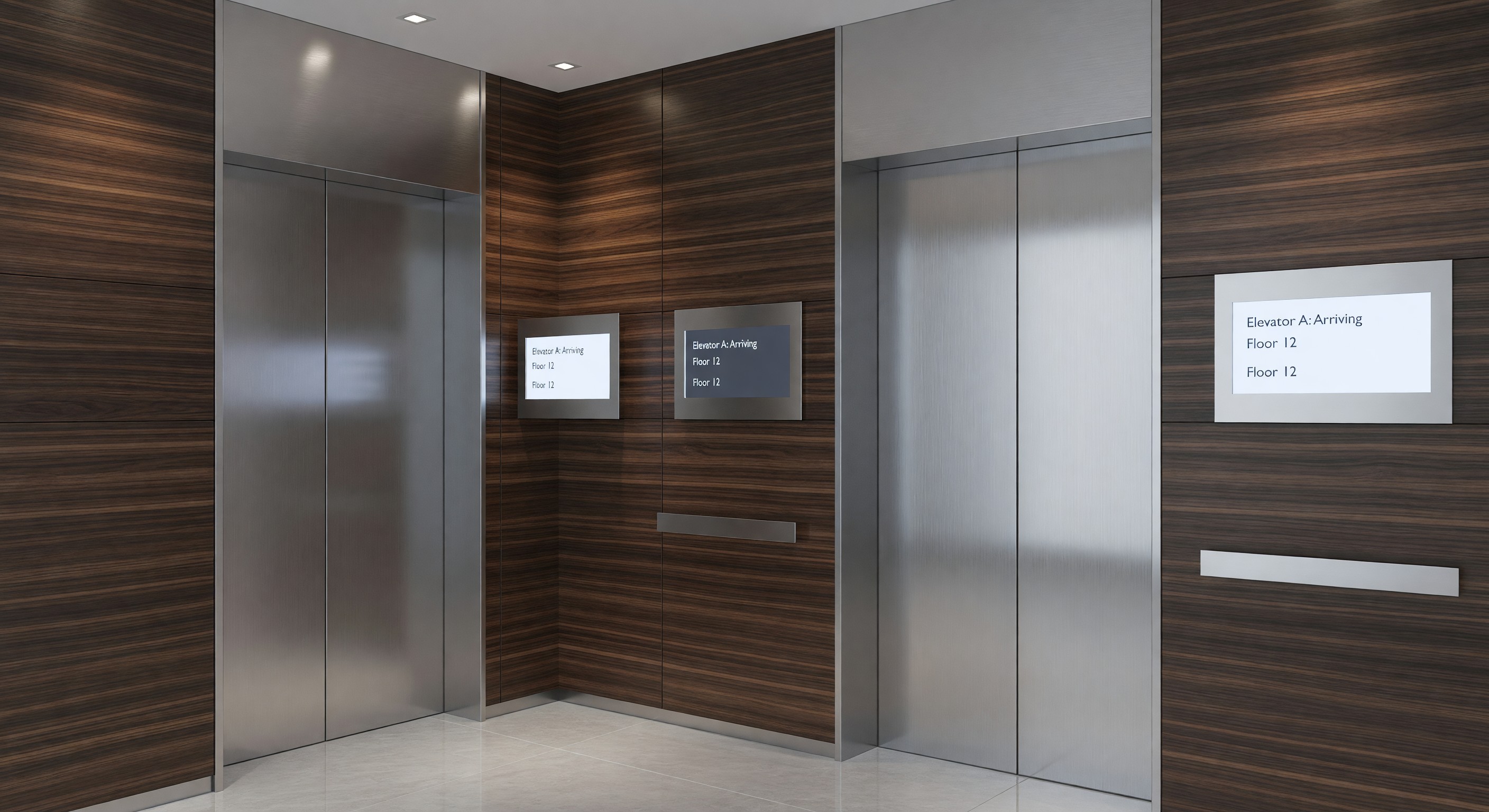
- Brief guests at check-in about elevator availability; post signage at elevator lobbies with estimated return-to-service date
- For properties with a single elevator, consider scheduling work during a defined short-term closure period if feasible
The alternative of deferred modernization is not cost-free — the escalating maintenance costs, reliability failures, and guest experience impacts of aging elevators have real dollar values that should be included in the modernization business case.
Budget Planning
Full elevator modernization costs (including equipment, installation, and permits) vary by:
- Number of floors served
- Elevator technology type (hydraulic, traction, MRL)
- Cab size
- Geographic market (labor costs vary significantly)
- Scope of work
Typical ranges for hotel traction elevator modernization:
- Full modernization, 10-stop traction unit: $150,000–$350,000
- Control system only: $60,000–$120,000
- Cab refurbishment only: $25,000–$75,000
- Hydraulic to traction conversion: $200,000–$500,000 (includes machine room adaptation)
These ranges are approximate and project-specific — obtain multiple proposals from licensed elevator contractors and include a qualified elevator consultant in the specification process.
Frequently Asked Questions
How can a hotel tell if its elevators need modernization versus routine maintenance? Key indicators: parts that are no longer available from the manufacturer new (requiring salvage or custom fabrication), callback rates exceeding 5–6 per month per unit, leveling accuracy that consistently places the cab more than 1/4 inch from floor level, visible mechanical wear that maintenance cannot correct, and energy consumption that is substantially higher than modern equivalent equipment.
What is a machine-room-less (MRL) traction elevator? Traditional traction elevators require a dedicated mechanical room at the top of the hoistway to house the drive machine and controller. MRL traction elevators use compact drive machines mounted in the hoistway itself, eliminating the need for a separate machine room. MRL technology reduces construction costs for new installations and is often used in hydraulic-to-traction conversions because it avoids the need to build new machine room space.
How long does a hotel elevator typically last before needing full modernization? Hydraulic elevators typically reach full modernization age at 20–25 years, when hydraulic oil, in-ground cylinder corrosion, and parts availability all converge. Traction elevators with well-maintained mechanical components often extend to 25–35 years, with control system modernization at 15–20 years providing a partial-life extension before full equipment renewal is required.
Should hotels use the same elevator contractor for modernization as for ongoing maintenance? Not necessarily. Modernization projects should be competitively bid — even if the current maintenance contractor is excellent, multiple bids ensure competitive pricing and expose the hotel to different technical approaches. After modernization, the modernizing contractor often assumes ongoing maintenance as part of the modernization agreement, which can be advantageous since they are most familiar with the newly installed systems.
Further Reading from Authoritative Sources
- IFMA vertical transportation and capital planning guidance — IFMA provides facility management professionals with capital planning frameworks and vertical transportation lifecycle guidance applicable to hotel elevator programs.
- OSHA elevator safety and construction requirements — OSHA sets federal safety standards for elevator construction, maintenance, and inspection that apply during modernization projects and ongoing elevator operations.