Hotel elevators serve guests continuously — often more than 100,000 cycles annually in a busy full-service property. After 20–25 years of operation, elevator components reach the point where modernization is more cost-effective than continued maintenance of aging equipment. By 2026, many hotels that installed elevators in the early 2000s are facing this decision.
Elevator modernization is a different category of investment from PTAC replacement or roof resurfacing — it involves licensed elevator contractors, state permit and inspection requirements, and temporary loss of elevator service that must be carefully managed in an occupied hotel. This guide covers what modernization involves, when it’s warranted, and how to manage the project successfully.
Why Elevators Are Modernized Rather Than Replaced
Full elevator replacement — removing all equipment from the hoistway down to the pit and installing new components — is rarely done in existing hotels. The structural hoistway is the long-lived element; the mechanical and electrical components have shorter service lives. Modernization replaces the components that wear out while retaining the structural hoistway, machine room, and often the cab structure.
The elements most frequently modernized:
Drive system: The traction machine (motor and sheave that moves the cables) and drive controller are the primary modernization components. Older hydraulic systems and DC-drive traction elevators can be upgraded to modern AC variable voltage variable frequency (VVVF) drives that provide smoother operation, lower energy consumption, and fewer maintenance requirements.
Control system: Elevator controllers from the 1990s and 2000s are increasingly obsolete — parts unavailability makes maintenance difficult and expensive. Modern microprocessor controllers with software-based logic replace relay-based systems that cannot be adapted to current dispatch algorithms or destination dispatch architectures.
Safety systems: Modernization is an opportunity to upgrade safety systems: emergency lighting, seismic (where applicable), door operator systems (a leading source of elevator callbacks), and governor/safety systems.
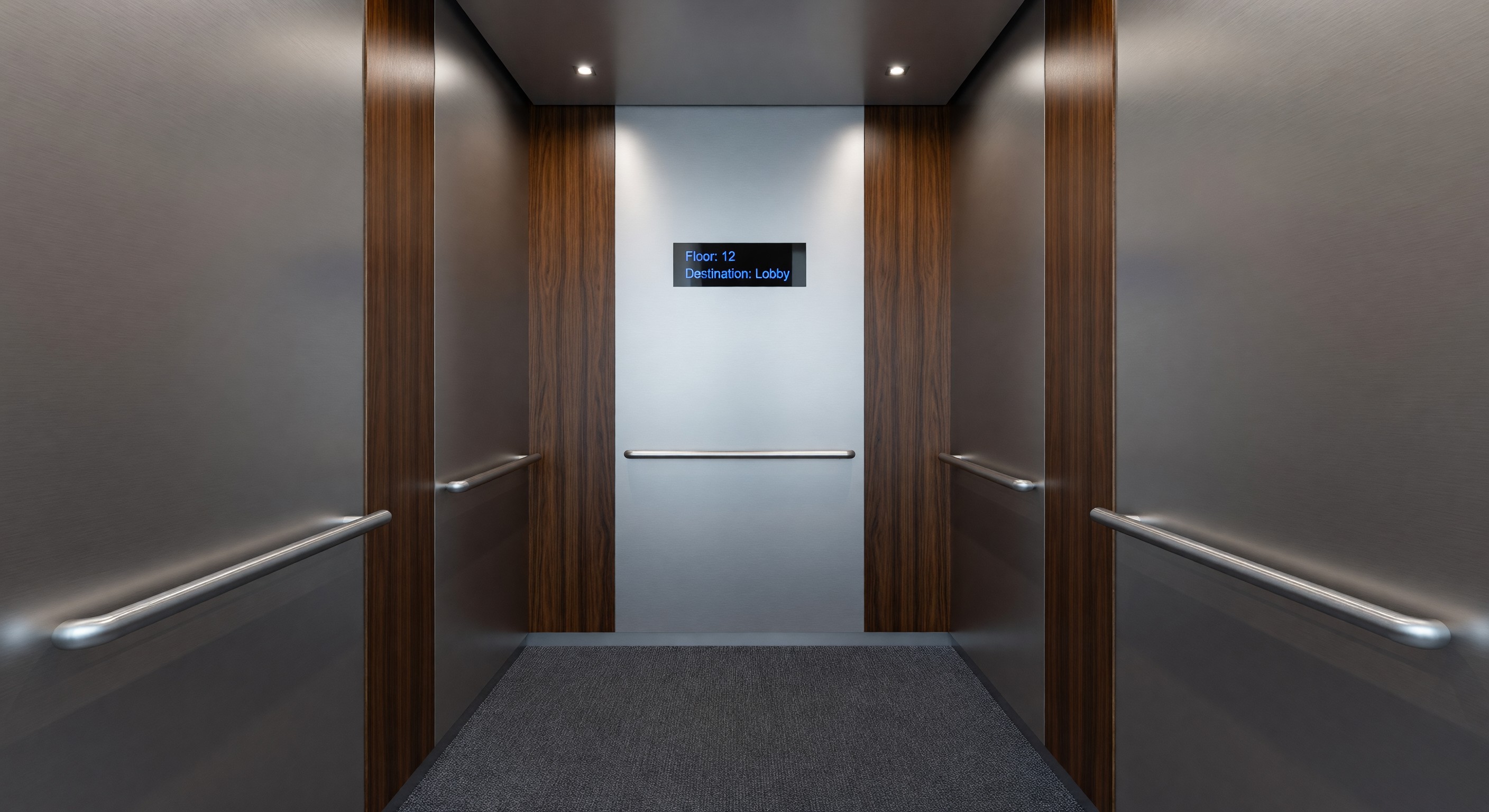
Cab interior: Cab refurbishment — new wall panels, flooring, lighting, ceiling, and cab operating panel — can be done independently of mechanical modernization or as part of a comprehensive project. In hotels, cab aesthetics directly affect guest experience and brand perception.
Drive System Modernization: Hydraulic to Traction
Many mid-rise hotels (4–8 stories) installed hydraulic elevators in the 1980s and 1990s — simpler to install than traction systems, no overhead machine room required, and adequate for the travel distances involved. By 2026, original hydraulic elevators in this vintage are candidates for either hydraulic modernization (new pump unit and controls) or conversion to machine-room-less (MRL) traction.
Hydraulic modernization: New pump unit, power unit, and controls in the existing hydraulic system. Lower cost than full conversion, but retains the characteristic slower, less smooth ride of hydraulic systems and the continuing energy cost of hydraulic operation (hydraulic elevators consume significantly more energy than equivalent traction systems).
MRL traction conversion: Replacing the hydraulic system entirely with a machine-room-less traction elevator (gearless traction motor mounted in the hoistway rather than a machine room). Provides better ride quality, 30–40% energy savings versus hydraulic, and eliminates the hydraulic oil environmental concerns. Higher project cost and more complex installation, but widely preferred for hotels where ride quality and energy cost matter.
Destination Dispatch in Hotel Applications
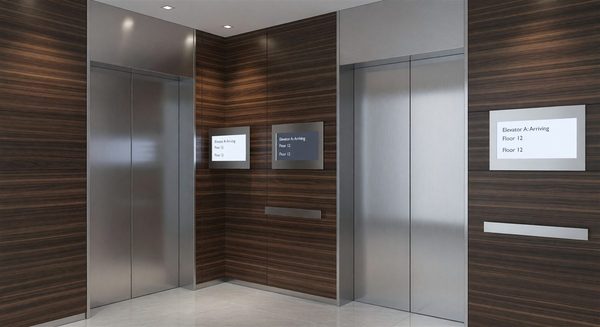
Conventional elevator systems require passengers to press “up” or “down” in the lobby, enter an elevator that arrives, and then select their floor. Destination dispatch systems (Schindler PORT, Otis CompassPlus, KONE Destination Guidance) require passengers to enter their destination floor before the elevator arrives — the system assigns each passenger to the most efficient car and directs them to it.
Destination dispatch provides:
- 20–30% reduction in elevator wait times during peak periods (rush hour, check-in/checkout waves)
- Reduced stops per trip (passengers going to the same floor are assigned to the same car)
- Integration with hotel mobile apps and room keys (destination dispatch via app or key tap at reader)
Hotel implementation considerations: destination dispatch requires input devices at lobby level (touchscreen or key reader), new or updated controller system, and guest education. Some guests find the change from conventional buttons confusing — clear signage and brief transition period is normal. Particularly valuable at convention hotels with high-volume simultaneous lobby peaks.
Energy Recovery from Elevators
Modern VVVF elevator drives can return energy to the building electrical system during descending loaded trips and ascending empty trips (regenerative drives). The recovered energy is returned to the building AC distribution system. Energy recovery reduces net elevator energy consumption by 30–50% compared to non-regenerative drives, with the savings being most significant for high-rise hotels with long travel distances.
Managing Elevator Modernization in an Occupied Hotel
The most significant challenge in hotel elevator modernization is maintaining service during construction. Strategies:
Phased modernization: Modernize one elevator at a time, maintaining others in service during each phase. For a 3-elevator bank, 2 elevators remain in service while the third is modernized — reducing but not eliminating capacity. Guest communication about reduced capacity and expected timeline is essential.
Low-occupancy scheduling: Phase construction during low-occupancy periods — seasonal low points, or scheduling heavy work phases during weekdays at business hotels where weekend occupancy typically drops.
Temporary service protocols: For properties with a single elevator (small hotels, boutique properties), modernization may require temporary closure or complete reliance on stairs — which requires advance notice to guests, ADA accommodation planning, and close coordination with the general manager.
Temporary car capacity restrictions: Even for modern elevators during commissioning testing phases, capacity may be temporarily restricted — communicate this to staff to prevent passenger overloading of test-mode elevators.
Frequently Asked Questions
How long does hotel elevator modernization take? A comprehensive single elevator modernization (drive, controls, door operators, cab interior) typically takes 6–12 weeks of actual construction time, depending on project scope and parts availability. Phased modernization of a 3-elevator bank may span 4–8 months when accounting for phase transitions and any supply chain delays. Parts availability for new elevator equipment has been variable in 2024–2026 — add buffer time to schedules.
What are the signs that a hotel elevator needs modernization vs. ongoing repair? Modernization indicators: (1) Control system parts are discontinued or have lead times exceeding 3 months; (2) Elevator is generating callbacks at a rate exceeding once per month despite adequate maintenance; (3) Energy cost for the hydraulic pump system is disproportionate relative to equivalent traction systems; (4) Ride quality has degraded despite maintenance adjustment; (5) Safety system components are approaching end of listed service life. If callbacks are infrequent and parts are available, continued maintenance is usually preferable to modernization.
Does elevator modernization require permits and inspections? Yes — elevator modernization is a permitted project in every U.S. jurisdiction. The elevator contractor pulls permits with the state or local elevator inspection authority. Following construction completion, state-licensed elevator inspectors test and certify the elevator before it returns to passenger service. The final inspection certificate must be posted in the elevator cab. Hotels should not permit passenger use of a modernized elevator before the final inspection certificate is issued.
How does elevator modernization affect hotel insurance? Notify the hotel’s property insurer before beginning elevator modernization. During construction, the elevator is a workers’ compensation exposure and a potential contractor liability issue. After modernization, the improved mechanical condition and updated safety systems may qualify the property for reduced insurance rates under elevator liability coverage — worth inquiring about with the broker following project completion.
Further Reading from Authoritative Sources
- AHLA hotel elevator modernization and capital planning standards — AHLA provides hospitality industry guidance on elevator modernization program planning, capital investment decision frameworks, and guest experience management during construction applicable to hotel elevator modernization project planning and execution.
- DOE building elevator energy efficiency and modernization resources — The DOE Buildings program provides elevator energy efficiency standards, modernization energy savings data, and building electrification resources applicable to hotel elevator capital planning decisions and energy efficiency investment analysis.