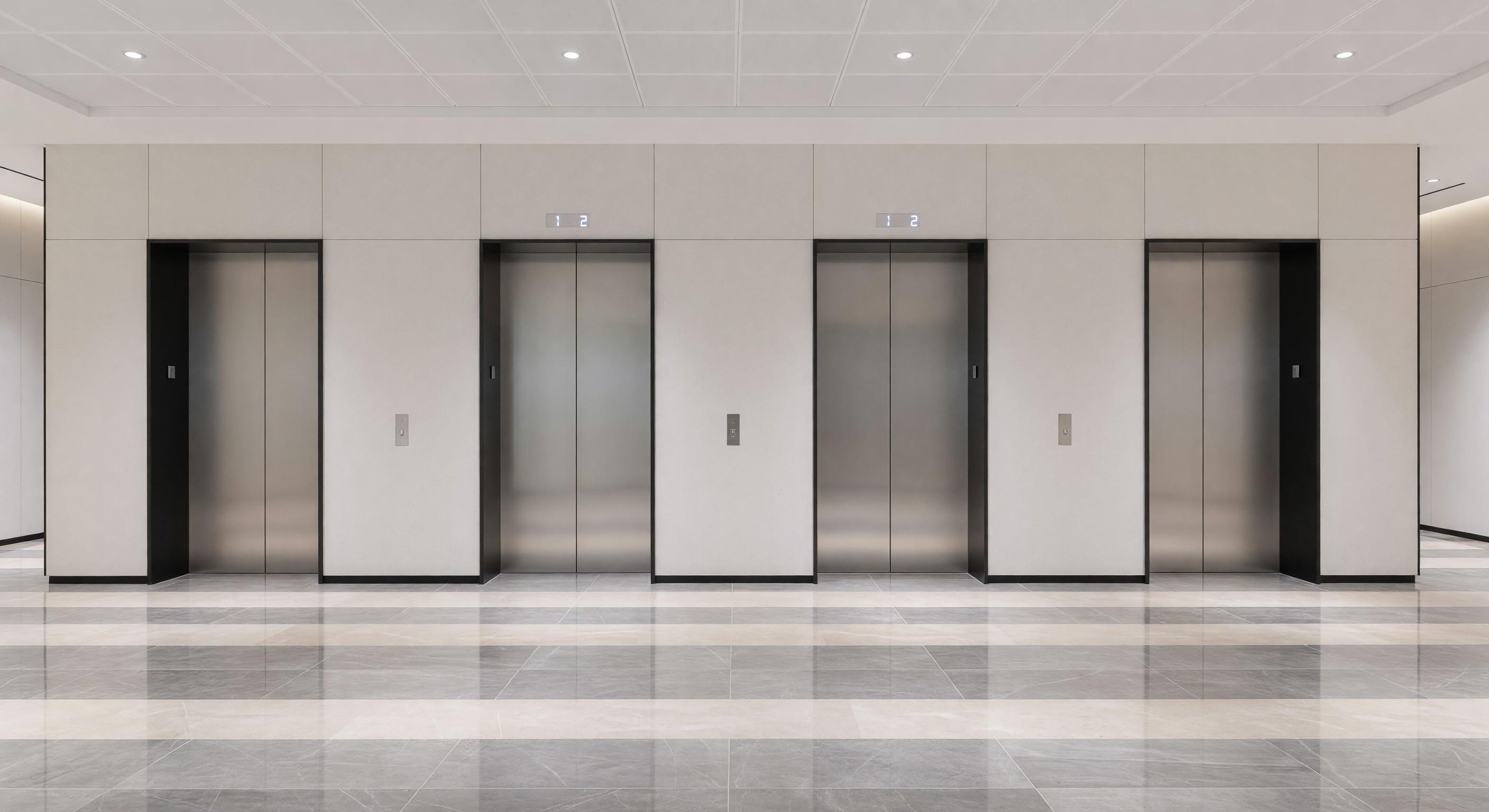
Elevators occupy a unique position in hotel facility management. They’re life safety equipment subject to mandatory inspection regimes, high-visibility amenities that guests use constantly, and mechanical systems with significant maintenance complexity. When an elevator is out of service, guests notice immediately. When an elevator fails between floors, it becomes an emergency.
For directors of engineering, managing elevator maintenance well means navigating the intersection of regulatory compliance, contractor relationships, and operational performance in a way that keeps equipment reliable and guests safe.
The Regulatory Framework
Elevator maintenance is more heavily regulated than most building systems. Every jurisdiction (state, city, or sometimes county) has its own elevator safety code, typically based on ASME A17.1 (the Safety Code for Elevators and Escalators) with local amendments.
Mandatory inspections: Virtually every jurisdiction requires periodic elevator inspections by a licensed inspector — typically annual for most elevator types, with additional inspections after major repairs or modifications. The inspection results in a certificate that must be posted inside the elevator cab.
License requirements: Elevator maintenance and repair must be performed by licensed elevator mechanics in most jurisdictions. This is not optional — using unlicensed technicians on elevator work exposes the property to significant liability.
Inspection fees and scheduling: Some jurisdictions use state inspectors; others use approved third-party inspection companies. Inspection scheduling should be tracked proactively — waiting for the inspection to expire and then scrambling creates gaps that can result in an elevator being taken out of service.
Violation response: When inspectors identify deficiencies, they issue orders with correction deadlines. Minor deficiencies may allow continued operation pending repair; major safety violations can result in immediate elevator shutdown. Maintain a clear process for responding to violations promptly.
Elevator Types in Hotels
Hydraulic elevators: Common in low-rise buildings (up to about 6 floors). A hydraulic cylinder below the cab pushes it up; the car descends by releasing fluid. Simpler mechanically but less energy efficient than traction systems. Require periodic hydraulic fluid inspection and replacement.
Traction elevators: Use a motor and cable system to raise and lower the cab. More energy efficient than hydraulic for mid- and high-rise applications. May use a traditional machine room at the top of the shaft or, in newer systems, a machine-room-less (MRL) configuration.
Panoramic elevators: Glass-enclosed elevators visible from the lobby or atrium. All the standard maintenance requirements plus exterior glass cleaning and aesthetics management.
Service Contract Models
Hotel elevators are almost always maintained under a service contract with a licensed elevator company. Understanding the contract types is essential to protecting the property’s interests.
Full-Service (Comprehensive) Contracts
The elevator company performs all routine maintenance and covers parts and labor for all repairs within the scope of the contract. The hotel pays a fixed monthly fee.
Advantages: Predictable cost, contractor has incentive to prevent problems rather than bill for repairs, maximum coverage.
Disadvantages: Higher monthly cost, potential for the contractor to delay repairs that would be covered under the contract.
Maintenance-Only Contracts
The contractor performs routine maintenance visits; parts and repairs are billed separately. The hotel pays a lower monthly maintenance fee plus time-and-materials for any repairs.
Advantages: Lower base cost if the elevator is in good condition and rarely needs repair.
Disadvantages: Unpredictable repair costs, contractor has no financial incentive to prevent failures, can be significantly more expensive if equipment is aging.
Time-and-Materials
No ongoing contract — the hotel calls for service as needed. Only appropriate for properties with in-house elevator expertise or as a temporary arrangement during contract transitions.
What to Look for in an Elevator Service Contract
- Response time guarantees: How quickly will a technician respond to a breakdown call? Industry standard is 4 hours for regular business hours; many contracts include after-hours response time as well.
- Excluded items: What’s explicitly excluded from a “full service” contract? Common exclusions include modernization, cab interior, and vandalism damage.
- Elevator availability guarantee: Better contracts include an uptime guarantee with remedies for failure to meet it.
- Escalation provisions: How are disputes resolved? What’s the process for emergency situations?
Maintenance Visit Requirements
Regardless of contract type, a proper elevator maintenance program includes:
Monthly visits: Lubrication of moving parts, safety check of door operation, test of emergency features (intercom, alarm, emergency lighting), inspection of cab interior.
Quarterly visits: Comprehensive mechanical inspection including brake adjustment, sheave and cable inspection, hydraulic fluid level check (hydraulic units), controller inspection.
Annual inspection: Full code-required inspection by licensed inspector, detailed mechanical inspection, load test, safety device testing.
Post-repair inspection: After any significant repair or modification, a safety inspection before returning the elevator to service.
Common Elevator Problems in Hotels
Door malfunctions: The most common elevator complaint. Door sensors fail, door operators wear out, and tracks misalign. Doors that don’t open properly, close slowly, or reverse unexpectedly are the leading source of service calls.
Level discrepancies: The elevator cab stops slightly above or below the floor level, creating a trip hazard. Usually caused by leveling sensor drift or hydraulic system issues.
Excessive wait times: Not a mechanical failure but a major guest experience problem. Often caused by a dispatching system that hasn’t been optimized for the property’s traffic patterns.
Control system faults: Modern elevator controllers are computerized and can experience software issues, communication failures, and electrical faults. These require specialized diagnostic capability.
Hydraulic leaks: Hydraulic oil leaks are a maintenance and environmental concern. Any evidence of oil under a hydraulic elevator should trigger immediate inspection.
Modernization Planning
Elevator modernization — replacing the control system, motor, and related components while retaining the cab and shaft — is often the right capital investment when an elevator is aging but the shaft and cab structure remain sound.
Modern control systems offer:
- Improved reliability and fault diagnostics
- Energy efficiency gains (regenerative drives can reduce elevator energy consumption 25–40%)
- ADA compliance improvements
- Integration with building management systems
A full modernization for a mid-rise hotel elevator typically costs $80,000–$150,000 and has a useful life of 20+ years.
Guest Communication During Outages
Elevator outages require immediate guest communication. Best practices:
- Post signage at all elevator lobbies immediately upon taking a car out of service
- Notify the front desk so they can communicate proactively with guests checking in
- For properties with multiple elevators, coordinate to ensure at least one is operational at all times
- For extended outages, offer alternative arrangements for guests with mobility limitations
FAQ
How do we evaluate whether our elevator contractor is performing adequately? Track response time to service calls against the contract guarantee, review the service reports from every maintenance visit (not just sign them), and compare your elevator’s callback (unplanned repair) rate against industry averages. Above 2–3 callbacks per elevator per year is a signal of either poor maintenance or aging equipment.
Can we use a different contractor than the original manufacturer for maintenance? Usually yes, though some proprietary systems have components that require manufacturer-specific service. The Independent Elevator Contractors Association (IECA) can help you find qualified independent contractors. Competition among contractors generally improves service and pricing.
How do we handle an elevator entrapment emergency? Every property should have a written elevator entrapment procedure. Immediately dispatch to the elevator, communicate with the trapped occupant via intercom, contact the elevator contractor for emergency response, and call 911 if the person is medically compromised. Never attempt to self-rescue trapped occupants — this is a trained technician function.
When should we consider replacing vs. modernizing aging elevators? If the cab and shaft structure are in good condition, modernization is almost always more cost-effective than full replacement. Consider full replacement only if the shaft needs structural repair, the cab is too small for current accessibility requirements, or the property is undertaking a major renovation that makes full replacement practical.
Further Reading from Authoritative Sources
- OSHA elevator safety and building systems compliance standards — OSHA provides building safety standards and fall protection requirements applicable to elevator maintenance work, contractor certification requirements, and emergency response procedures for elevator incidents in hotel facilities.
- IFMA elevator asset management and maintenance contract standards — IFMA provides facility management professionals with elevator maintenance standards, service contract evaluation guidance, and asset lifecycle planning frameworks applicable to hotel elevator program management.