ADA compliance is a continuous operational obligation, not a one-time construction checklist. The Americans with Disabilities Act requires hotels to maintain accessible features in working order, remove barriers where readily achievable, and provide equivalent services to guests with disabilities. For hotel engineering and facility management, this translates to an ongoing maintenance program, regular accessibility audits, and capital planning that prioritizes accessibility upgrades.
This guide addresses ADA obligations from the facility management perspective — the maintenance requirements, common deficiency areas, and practical approach to managing accessibility compliance across hotel operations.
The Facility Manager’s ADA Obligations
ADA Title III governs places of public accommodation, which includes hotels. Key obligations with facility management implications:
Maintain accessible features: Equipment and features required for accessibility (automatic door openers, accessible parking spaces, elevators, accessible restroom fixtures, pool lifts) must be maintained in operable condition. ADAAG Section 4.1.4(1)(a) explicitly requires that accessible features be maintained in working order. A broken automatic door opener is not a maintenance inconvenience — it is an ADA compliance failure.
Remove architectural barriers where readily achievable: Hotels are required to remove barriers to access when doing so is “readily achievable” — meaning accomplishable without much difficulty or expense. What is readily achievable depends on hotel size and resources. As a property’s financial position improves or barriers become more economical to remove, previously deferred removals may become newly required.
Alternative access when primary access is temporarily unavailable: When an accessible feature is temporarily out of service (elevator under maintenance, automatic door opener being repaired), hotels must provide alternative means of equivalent service where possible.
New construction and alterations: Any new construction after January 26, 1993 must be fully accessible. Alterations to existing spaces must make altered portions accessible to the maximum extent feasible.
Critical Accessibility Features Requiring Maintenance Attention
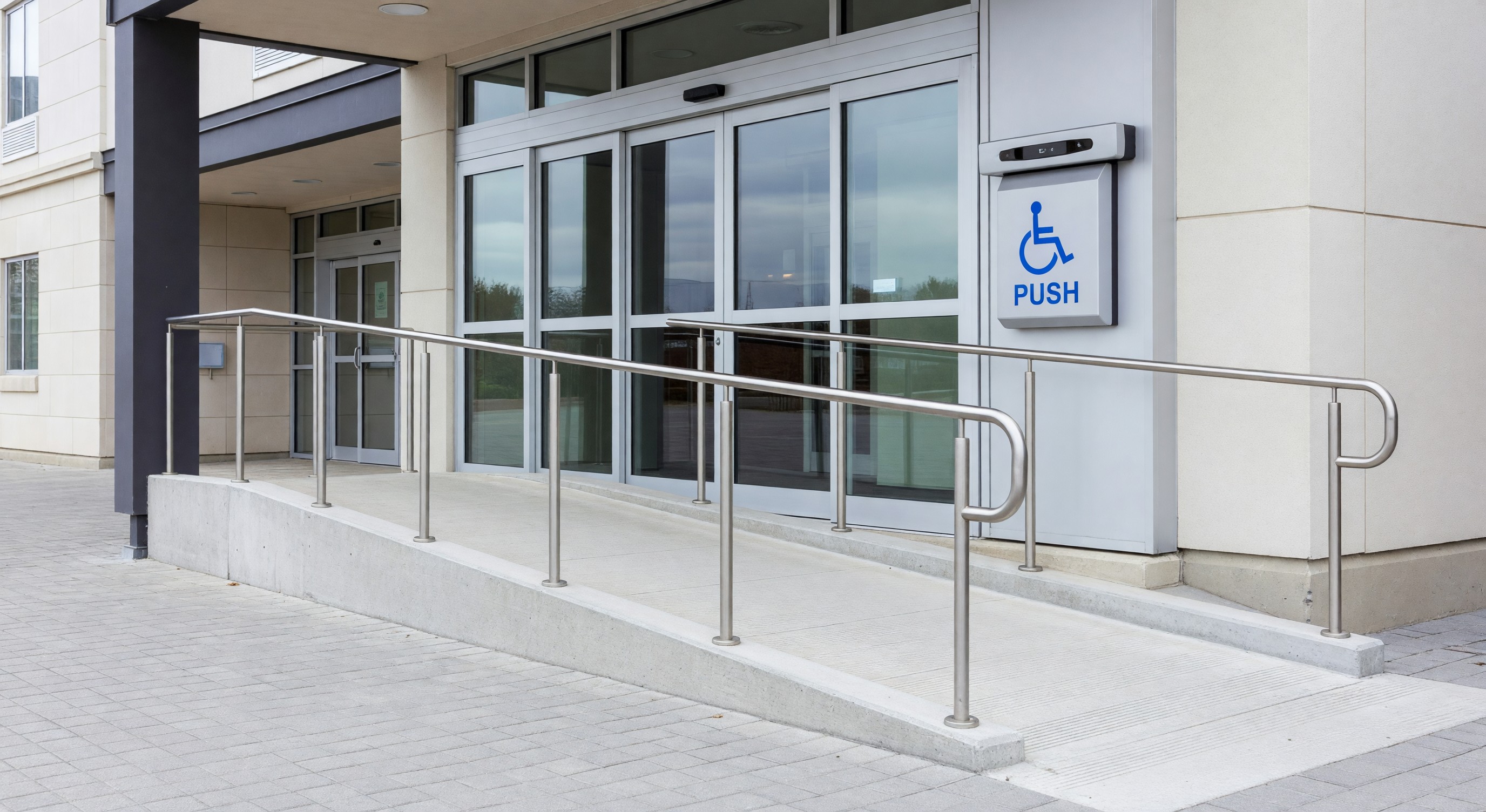
Automatic door openers: Required at primary accessible entrances. Failure rates are significant — motors wear, sensors drift, control boards fail. Include automatic door opener testing in weekly engineering rounds. Response time for repairs should be same-day or next-business-morning — not deferred.
Elevators: The single most critical vertical access mechanism for hotel guests with mobility limitations. Elevator downtime directly causes ADA compliance exposure. Elevator service contracts should specify maximum response times for emergency service calls. Maintain at least one elevator operable at all times in multi-story properties (emergency maintenance procedures for single-elevator buildings should include plans for guest room relocation).
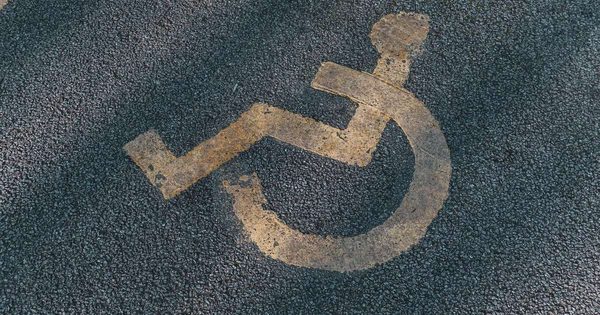
Accessible parking: Van-accessible spaces (minimum 8-foot width with 8-foot access aisle, 98-inch vertical clearance for the access aisle) must be maintained, marked, and unobstructed. Parking striping fades — re-striping accessible spaces on the same cycle as general parking striping is required. Accessible space signs must be properly positioned (mounted at 60–66 inches above finished floor to sign center, unobstructed by snow or vegetation).
Pool and spa lifts: Since 2012, accessible pool lifts have been required for hotels with swimming pools that were built after 1993 or have undergone alterations. Pool lifts require regular maintenance (battery charge, sling inspection, mechanism lubrication) and must be in place and operable when the pool is open. Some hotels remove pool lifts during winter closures — this is not acceptable practice when the pool is in use.
Accessible restrooms: ADA-compliant restrooms require specific hardware: grab bars, proper clearances, accessible fixtures. Grab bar anchoring is a common maintenance issue — grab bars that work loose from the wall under use (from guests using them for leverage rather than support) represent both an ADA compliance failure and a safety risk. Annual inspection and reanchoring of grab bars is appropriate.
Accessible guest rooms: Hotels must provide accessible guest rooms in defined quantities (based on total room count). These rooms must be maintained with their accessibility features intact — grab bars, roll-in showers, accessible controls, and furniture configuration meeting clearance requirements. Do not store equipment in accessible rooms that reduces required clearances.
Common ADA Deficiencies Found During Hotel Inspections
Based on DOJ settlement agreements and accessibility audit findings, the most common hotel ADA deficiencies include:
Route obstructions: Accessible routes (from parking, through public spaces, to amenities) obstructed by signage, furniture, equipment, or temporary barriers. A/V equipment set up for an event blocking the accessible route to the ballroom is a temporary compliance failure that creates real access barriers for guests with mobility limitations.
Door hardware: Lever handles are required where door knobs existed at time of construction (for covered alterations). Round knobs are difficult or impossible to operate for guests with limited hand function. Hotels that have replaced door hardware with lever handles in public spaces but retained knobs at back-of-house doors accessible to guests (laundry rooms, vending alcoves) have unresolved compliance issues.
Signage: ADA requires Braille and tactile characters on permanent room identification signs (restroom signs, room number signs, elevator floor designations). Signs mounted at incorrect heights, signs without Braille, or missing signage at required locations are common findings.
Communication features: Accessible guest rooms must include accessible communication features — visual notification devices for door knock and phone ring, strobe-equipped smoke alarms. These electronic features require maintenance and testing to confirm operational status.
ADA Accessibility Audits
Annual facility accessibility audits identify deficiencies before guests or regulators find them. Audit scope for hotel facilities:
- Parking areas (space dimensions, signage, surface condition, vertical clearances)
- Exterior accessible routes (curb cuts, cross-slopes, surface conditions, obstructions)
- Entrance doors (door force, hardware, automatic openers, threshold heights)
- Lobby and public spaces (route widths, seating clearances, service counter heights)
- Restrooms (all accessible restrooms, fixture compliance, grab bars, clearances)
- Guest rooms (accessible room count, feature maintenance, clearances)
- Pool and recreation areas (pool lift operation, accessible route to pool deck)
- Meeting spaces (accessible seating, accessible route to stage/podium areas)
- Food and beverage (accessible seating, service counter accessibility)
Accessibility audits can be self-performed using the ADA Standards for Accessible Design as a checklist, but third-party review by a Certified Access Consultant (CAC) or architect with accessibility expertise provides more defensible documentation.
Frequently Asked Questions
Is an older hotel grandfathered from ADA requirements? No — the grandfathering concept does not apply to the “readily achievable barrier removal” obligation. Hotels built before ADA effective dates are still required to remove barriers to access when doing so is readily achievable. Only the “new construction” standards (full accessibility to the extent technically feasible) don’t apply retroactively. The barrier removal obligation is ongoing and evolving — what wasn’t readily achievable in 1993 may be readily achievable today.
How many accessible guest rooms is a hotel required to have? The number of required accessible rooms is based on total room count per a sliding scale in ADAAG. For a 200-room hotel: at minimum, 10 accessible rooms (5%), including a defined number of roll-in shower rooms and rooms with communication features. The mix of accessible room types (accessible tub, roll-in shower, communication features) is also specified. Hotels should verify their required room count with an accessibility consultant, as the formula varies by total count.
Can a hotel charge guests with disabilities a fee to use accessibility features like pool lifts? No — ADA prohibits charging guests with disabilities for access to features that make services accessible to them. Pool lifts, accessible shuttles, accessible parking spaces, and accessible room features must be available at no additional charge. Accessible guest rooms can be priced the same as equivalent standard rooms, but cannot be priced higher solely because of the accessibility features.
What is the hotel’s liability if an accessible feature is broken when a guest needs it? Hotels can face ADA Title III complaints, DOJ investigations, and private lawsuits if they fail to maintain accessible features in working order or fail to provide equivalent alternative access when features are temporarily unavailable. While there is typically no criminal liability for individual failures, serial or systemic maintenance failures can result in consent decrees, monetary settlements, and mandated accessibility improvement programs. Documentation of maintenance response (repair requested, work order issued, repair completed) is important for demonstrating good-faith compliance when temporary outages occur.
Further Reading from Authoritative Sources
- ADA Standards for Accessible Design for hotel facilities — ADA.gov provides the official ADA Standards for Accessible Design, hotel-specific accessible room count requirements, and barrier removal guidance applicable to hotel ADA facility compliance programs.
- U.S. Access Board ADA facility guidelines for hotels — The U.S.