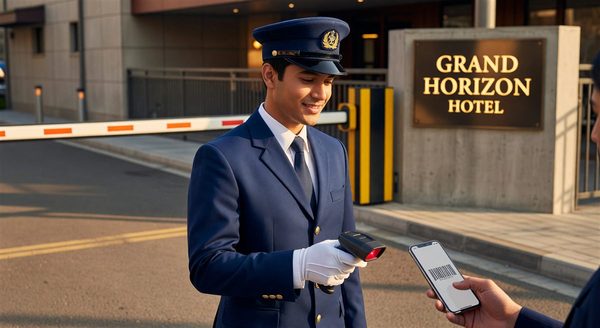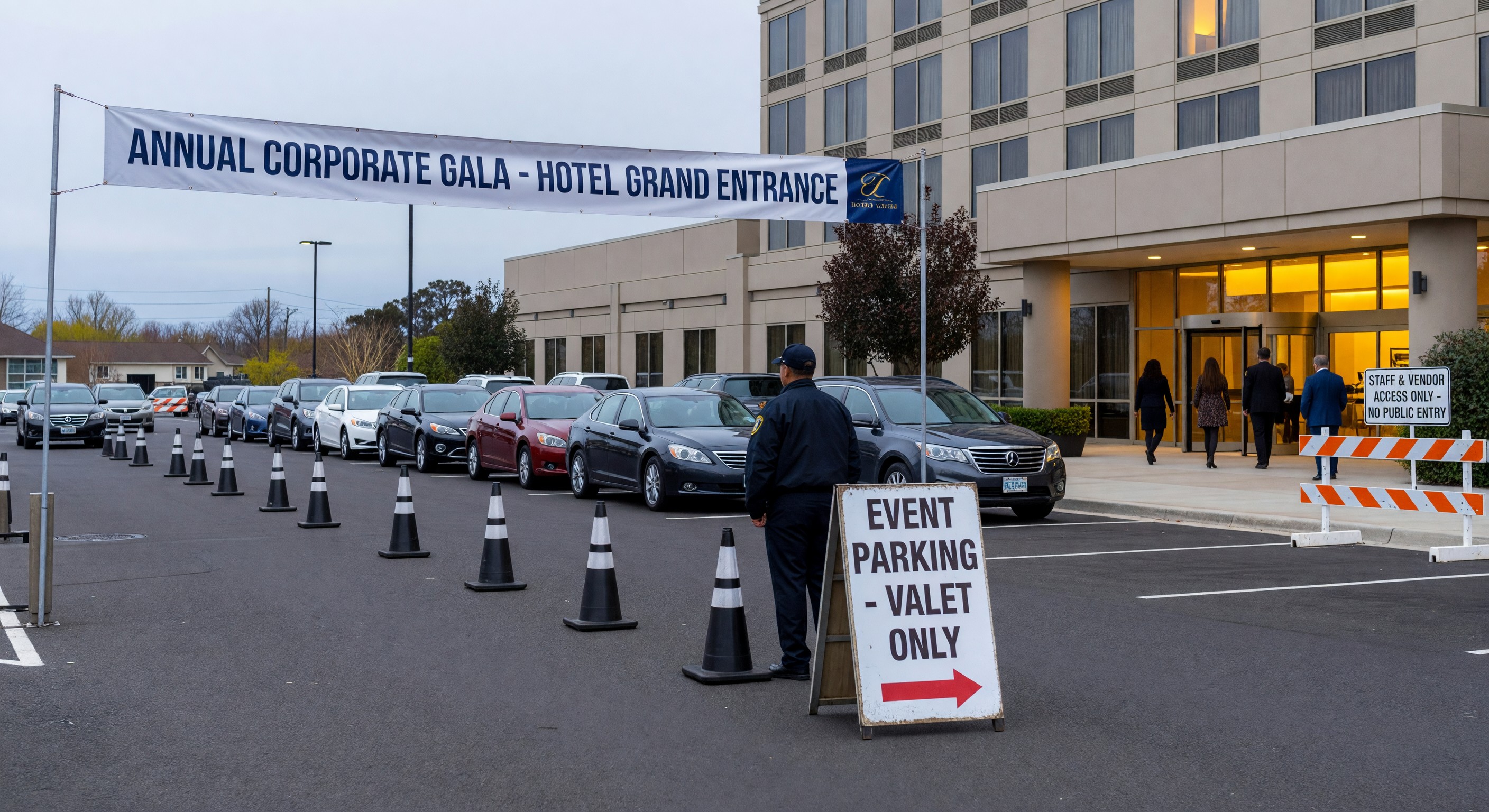
Events are both the highest-revenue periods and the highest-stress parking scenarios for hotel properties. A sold-out conference, wedding reception, or large corporate event can deliver full room occupancy and maximum F&B revenue — and simultaneously create a parking crisis that generates guest complaints, damages the property’s reputation with event planners, and creates safety and liability exposure if managed poorly.
Effective event parking management requires advance planning, coordination across departments, clear communication protocols, and operational flexibility. This guide provides the framework for managing hotel parking operations during high-demand events — from the pre-event planning phase through post-event restoration of normal operations.
Pre-Event Planning: The Foundation of Success
Event parking planning should begin 30–60 days before a major event, not the day before. Key planning questions:
What is the parking demand? Estimate vehicle attendance by applying arrival-by-car rates to confirmed attendance. For conferences, 40–70% of attendees typically drive (varies significantly by location, transit access, and attendee demographics). For weddings and social events, 75–90% drive. For hybrid corporate events with hotel room blocks, hotel guests may account for 40–50% of parking demand, with the balance from local attendees.
What is the property’s capacity? Total parking spaces minus any current commitments (monthly permit holders, hotel staff, reserved spaces). This gives you the available inventory for event allocation.
Is capacity sufficient? If estimated event parking demand exceeds 80% of available capacity (the practical threshold above which arrival peaks will overwhelm capacity), plan overflow accommodation before the event.
What is the pricing strategy? Confirm whether event parking is included in event contracting, separately charged to attendees, or handled through a combination approach.
What staffing is required? Additional personnel for parking enforcement, traffic direction, valet if applicable, and guest assistance at parking entry.
Overflow Parking Coordination
When event demand will exceed capacity, pre-arrange overflow parking before the event — not during it. Options:
Adjacent surface lots or garages: Identify parking within 0.5–1 mile of the property. Contact owners/operators 2–4 weeks in advance to arrange temporary use during the event window. Cost: typically $5–$15 per stall per event day.
Shuttle service from remote parking: If overflow lot is farther than comfortable walking distance, coordinate shuttle service. Shuttle timing must be planned to meet arrival patterns at the event start and departure patterns at the event end.
Valet stacking: Valet operations can significantly increase effective capacity through tandem parking, using non-parking areas (fire lanes may not be used) or utilizing spaces that would be inaccessible for self-park. Valet stacking increases capacity by 20–40% depending on facility configuration. This requires qualified valet operators and robust key management.
Rideshare incentive coordination: Event planners who promote rideshare arrival to attendees reduce parking demand. Pre-arranged discount codes or coordination with event sponsors for ride credits can meaningfully shift arrival mode split.
Pre-Event Guest Communication
Hotel guests should receive pre-arrival communication that sets accurate expectations when a major event will affect parking:
- Confirm hotel guest parking location and access protocol (separate from event parking when possible)
- Note any parking fee changes during the event period
- Provide estimated arrival time when parking may be more congested
- Offer valet as an alternative for guests who prefer not to navigate congested self-park
Event attendees who are not hotel guests should receive event-specific parking instructions through the event coordinator — not just the hotel’s standard directions.
Day-of Event Operations
Traffic management: For events with significant vehicle arrival concentration (large conference check-in window, ceremony start for a wedding), deploy staff at the property entry to direct traffic, prevent access lane backups into public roads, and guide vehicles to available spaces efficiently. Signage alone is inadequate for high-volume arrival.
Lane assignment: If the property has multiple parking entry points, designate specific lanes for hotel guests (with LPR or validated access) and event attendees (paying separately). Mixing these populations at the same entry creates confusion and slows throughput.
Real-time occupancy communication: Deploy electronic occupancy displays (available from modern parking management systems) at the entry area showing available spaces. For properties without permanent displays, a team member with radio communication to the lot can serve as the real-time capacity communicator, directing vehicles to alternate sections as primary sections fill.
Valet surge management: Wedding events create the most challenging valet timing — all guests arrive within a 30-minute window before ceremony, and all leave within a 30-minute window after the reception. A 200-guest wedding arriving by car (150 vehicles) in 30 minutes requires 5 valets running at maximum throughput. Confirm staffing plans against actual vehicle volume estimates.
Post-Event Operations
Event departure creates its own management challenge. Key post-event needs:
Efficient exit processing: Ensure all required exit payments or validations are processed quickly. Long exit lane queues generate guest complaints even from people who had an excellent event experience.
Valet retrieval surge: The departure surge from a major event can overwhelm valet operations. Pre-stage frequently requested vehicles (for VIP guests or high-frequency tippers identified during arrival) to reduce peak retrieval time. Communicate realistic wait times when queues are long rather than promising 10-minute retrieval that takes 25 minutes.
Facility security during event: If the parking facility is not fully visible from the hotel, deploy additional security personnel or adjust camera monitoring focus to the event parking area. Events bring large numbers of unfamiliar vehicles to the property; vehicle break-ins and theft from vehicles are more common during events than during normal hotel operations.
Lot restoration: After event departure, check lot for debris, damage to curbing or painted surfaces, and any vehicles that remain (attendees who called rideshares, vehicles left overnight). Contact information for the event coordinator should be retained to facilitate communication if any issues arose.
Revenue reconciliation: Reconcile parking revenue collected during the event against the volume of vehicles parked and the rate charged. Event parking is a common area for revenue leakage — tickets not collected, validations applied without purchase, or rate discounting without management authorization.
Modern parking access and revenue control systems generate the transaction-level data needed to perform this reconciliation accurately and identify anomalies indicating operational or revenue integrity issues.
Frequently Asked Questions
How far in advance should hotels plan event parking for a large conference? 90 days minimum for events over 500 attendees; 30–60 days for smaller events. For an annual conference at the same property, parking planning should begin at contract signing — knowing the annual event’s parking requirements allows the hotel to block adequate capacity and pre-arrange overflow resources well in advance.
What is a reasonable parking capacity ratio for hotel event spaces? Industry guidance suggests a minimum of 0.5 parking spaces per attendee in auto-dependent suburban markets; 0.3 spaces per attendee in urban markets with transit access. A hotel with 10,000 square feet of event space (capacity: 500–700 people) in a suburban market should plan for 250–350 parking spaces dedicated to events during peak usage. If the hotel’s self-park inventory is insufficient, overflow arrangements or event space limitations are warranted.
Can hotels charge event attendees for parking separately from room guests? Yes — this is standard practice at most hotels with separate event attendee parking. Common models: flat event rate (event parking included in event ticket or separately purchased), hourly rate (with maximum cap), or validation-based (validated by event sponsor after certain purchase minimums). Communicate clearly to event planners at contract time so they can inform their attendees.
How should hotels handle vehicles left overnight after events? Establish a clear policy and communicate it at event entry: overnight parking is or is not permitted (and at what rate), and unauthorized vehicles after a stated deadline will be subject to tow at owner’s expense. Towing without adequate notice and signage creates liability; towing with adequate notice and policy disclosure is legal in virtually all jurisdictions. Consult local towing regulations for notice and signage requirements specific to your jurisdiction.
Further Reading from Authoritative Sources
- AHLA hotel event operations and parking management resources — AHLA provides hospitality industry research on event operations, parking demand planning, and guest experience management practices applicable to hotel event parking program development.
- IFMA parking facility event management and capacity planning standards — IFMA provides facility management professionals with parking capacity planning standards, valet operations guidance, and event management frameworks applicable to hotel parking event operations.