Hotel plumbing systems serve a fundamental guest need — hot, clean water on demand — while managing more regulatory complexity and health risk than most other building systems. Legionella prevention requirements, water heater efficiency, fixture reliability, and drain maintenance all intersect in a plumbing program that’s more demanding than most facility managers initially anticipate.
This guide covers the operational framework for managing hotel plumbing systems effectively.
Domestic Hot Water Systems
System Configurations
Hotels use several approaches to deliver hot water throughout the property:
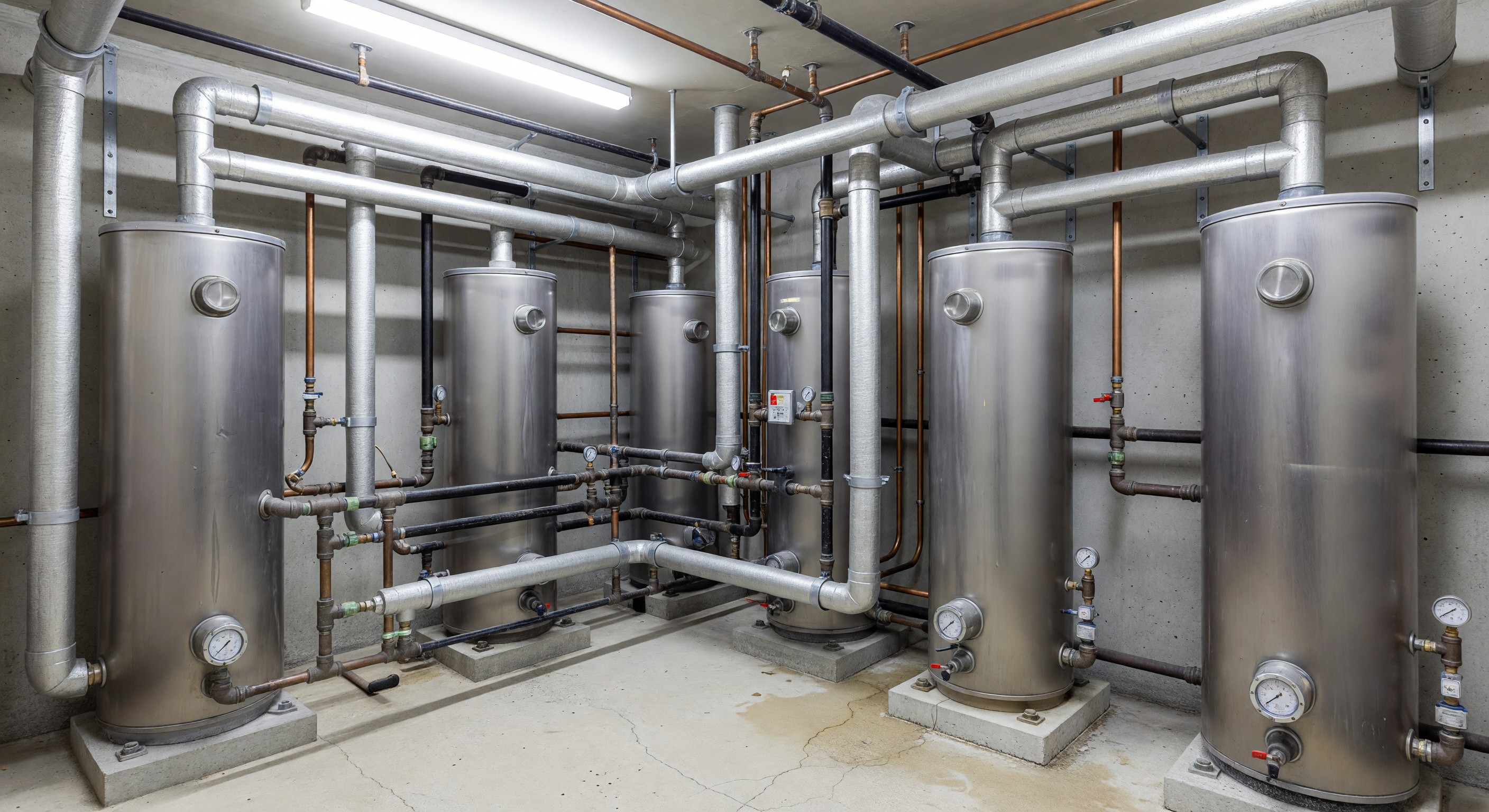
Centralized storage system: Large storage water heaters or indirect tanks heat and store a large volume of hot water. A recirculation loop keeps hot water moving through the building so that guests don’t have to wait for the hot water to travel from the heater to the fixture. The most common configuration in full-service hotels.
Point-of-use heaters: Small electric or gas heaters located near the fixtures they serve. More efficient (no distribution losses) but more units to maintain. Common in select-service properties where the bathroom is close to an electrical source.
Heat pump water heaters: Increasingly common in energy-conscious properties. These extract heat from the ambient air to heat water, achieving efficiency factors 3–4x higher than conventional electric resistance heaters.
Boiler-based indirect heating: In properties with boiler plant for space heating, domestic water is often heated via a heat exchanger from the boiler loop. Efficient use of existing plant but creates interdependencies between heating and domestic hot water.
Hot Water Temperature Management
Hotel hot water system temperature is a critical operational parameter with both comfort and safety implications.
Minimum temperature (Legionella prevention): The domestic hot water system must be maintained at a minimum of 140°F (60°C) at the water heater to prevent Legionella bacterial growth. This is a health requirement, not just an efficiency standard.
Maximum temperature (scald prevention): Water delivered to guestroom fixtures must be limited to 120°F (49°C) maximum to prevent scald injuries, per most building codes and standards. In rooms serving children or elderly guests (accessible rooms), some properties reduce this further to 110°F.
The gap between these two requirements is managed with thermostatic mixing valves (TMVs) at the point of use. TMVs blend hot and cold water to achieve the safe delivery temperature while the supply temperature remains high enough to prevent Legionella.
Recirculation System Maintenance
The recirculation loop that keeps hot water moving through the building is a common source of performance problems:
- Check valve failure: Recirculation check valves prevent backflow. When they fail, water can flow backward through the system, creating cold spots in the distribution.
- Pump failure: Recirculation pumps run continuously. When a pump fails, hot water availability drops throughout the property within hours.
- Sediment accumulation: Mineral scale builds up on the interior surfaces of storage tanks and heater elements, reducing efficiency and capacity.
Include recirculation pump inspection, check valve function testing, and tank sediment inspection in the quarterly mechanical PM program.
Legionella Prevention
Legionella pneumophila, the bacterium that causes Legionnaire’s disease, is an ever-present concern in hotel water systems. The conditions that favor Legionella growth — warm stagnant water, biofilm, and scale — are common in large building water systems.
Water Management Program (WMP)
The ASHRAE Standard 188-2018 establishes requirements for water management programs in buildings with increased Legionella risk, which explicitly includes hotels. A WMP is not optional guidance; it’s increasingly a legal and regulatory requirement, and courts have held hotels liable for Legionella illness in the absence of documented prevention programs.
A WMP for a hotel includes:
Water system schematic: A complete map of the domestic water system including sources, storage, distribution, and all points of use.
Hazard analysis: Identification of conditions in the water system that could promote Legionella growth (dead legs, low-use areas, temperature deficiencies).
Control measures: Specific temperature, flushing, disinfection, and maintenance requirements for each hazard identified.
Monitoring and testing: Regular temperature measurements at defined points, periodic microbiological sampling, and documentation of all monitoring.
Response procedures: What to do when monitoring indicates elevated Legionella risk or a confirmed case.
Annual program review: Minimum annual review and update of the program, with review after any significant system changes.
Flushing Programs
Water in portions of the system that sees infrequent use — guestrooms that are rarely occupied, rooms undergoing renovation, seasonal outlets — stagnates and creates Legionella risk. Flushing programs address this:
Renovation flush: Before re-opening any room, room block, or wing that has been taken out of service, flush all fixtures for a minimum of 30 minutes (longer for extended shutdowns).
Low-occupancy flush: Properties with significant seasonal variation or frequent vacant floors should flush all fixtures in those areas weekly if the rooms are not being regularly used.
Seasonal opening: Properties closed for an extended period (resort hotels with off-season closures) require a comprehensive flushing and disinfection protocol before opening.
Fixture Maintenance
Faucets and Showerheads
Hotel guestroom fixtures take significant daily use. Common maintenance issues:
Aerator clogging: Aerators in faucets collect mineral deposits and debris. Clean or replace aerators semi-annually in hard water areas, annually in areas with soft or treated water.
Showerhead flow restriction: Showerheads clog with mineral scale, reducing flow and distributing water unevenly. Descale or replace showerheads annually.
Cartridge failure: Single-handle faucets use a cartridge that blends hot and cold. When the cartridge wears, temperature control becomes imprecise. Replace cartridges proactively before they cause guest complaints.
Running toilets: A running toilet wastes water continuously — a significant cost at scale. Include toilet function testing (flush, fill, flapper) in every guestroom PM visit.
Shower door leaks: Failed shower door seals cause water to leak onto the bathroom floor, creating both water waste and slip hazard. Inspect and replace gaskets and seals annually.
Fixture Lifecycle
Hotel guestroom plumbing fixtures have a useful life of 15–20 years for quality commercial fixtures. Fixtures that are water-inefficient, aesthetically dated, or chronically failing should be prioritized for replacement during the next renovation cycle.
Fixture efficiency has improved dramatically. Replacing a 1980s-era 3.5 gpf toilet with a current 1.28 gpf model reduces water consumption by 63% per flush. In a hotel where toilets are flushed thousands of times per day, this represents significant utility cost savings and environmental benefit.
Drain System Maintenance
Drain problems are among the most common and most visible maintenance failures in hotel guestrooms. A slow drain or a hair clog generates an immediate guest complaint.
Guestroom drain maintenance:
- Clear hair and debris from tub and shower drains monthly in occupied rooms (can be incorporated into housekeeping processes)
- Chemical treatment of drain lines quarterly
- Annual mechanical snaking of all guestroom drain lines
- Floor drain cleaning in bathrooms and mechanical rooms
Kitchen drain systems: Grease traps require pumping according to local code requirements and facility usage — typically monthly to quarterly for hotel restaurants. Maintain a service log for every grease trap service.
Roof drains and storm drains: Often neglected until a problem occurs. Clean roof drains semi-annually (before rainy season and after fall leaf drop). Inspect storm drain infrastructure annually.
Water Conservation
Water is both an environmental responsibility and a significant operating cost. Conservation measures:
- Low-flow fixtures: Replace older fixtures with WaterSense-certified models during renovation cycles
- Linen and towel reuse programs: Standard practice; reduces laundry water use
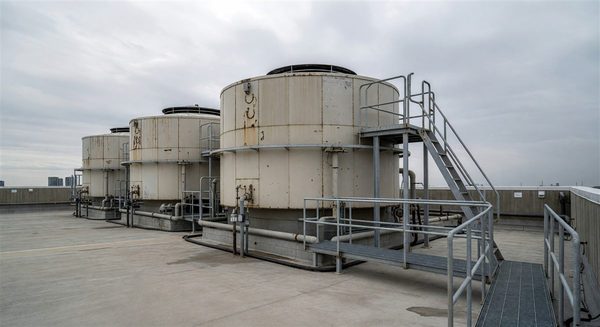
- Cooling tower water management: Proper chemical treatment and cycle management reduces water consumption significantly
- Leak detection: Undetected leaks can waste thousands of gallons per day. Submetering by building zone enables faster leak detection.
FAQ
How often should hotel water heaters be serviced? Annual inspection at minimum. This includes checking the anode rod (sacrificial anode protects the tank from corrosion), flushing sediment from the tank bottom, checking the pressure relief valve function, inspecting burner or heating elements, and verifying temperature setpoints. In hard water areas, increase sediment flushing to semi-annual.
What’s the right approach to managing Legionella testing? A risk-based approach: higher-risk areas (whirlpool tubs, decorative fountains, cooling towers) need more frequent testing than standard guestroom hot water outlets. Most WMPs require quarterly or semi-annual microbiological sampling. Use a certified laboratory with experience in Legionella analysis. Never substitute visual inspection for testing — you cannot see Legionella.
How do we handle a guest report of water temperature issues? Investigate immediately — both for guest satisfaction and because extreme temperature variation can indicate a system problem. A guest who reports water that won’t get warm enough could be indicating a recirculation system failure. A guest who reports scalding water is a safety concern requiring immediate investigation of TMV function.
When should we consider a full domestic water system upgrade? When piping material is approaching end of life (galvanized pipe typically by 40–50 years), when consistent water quality issues can’t be resolved by maintenance, when the system can’t consistently deliver hot water throughout the property, or when a renovation provides a practical opportunity to replace infrastructure.
Further Reading from Authoritative Sources
- ASHRAE 188 hotel water management program and Legionella prevention standard — ASHRAE Standard 188 (Legionellosis: Risk Management for Building Water Systems) is the primary standard establishing Water Management Program requirements, temperature control specifications, and monitoring protocols applicable to hotel domestic water system compliance and Legionella prevention programs.
- EPA WaterSense hotel plumbing fixture efficiency standards — EPA WaterSense provides water efficiency standards for commercial plumbing fixtures, certification specifications for high-efficiency toilets and faucets, and water conservation guidance applicable to hotel fixture replacement programs and sustainability initiatives.