The Internet of Things has reached the hotel guest room with meaningful operational and guest experience applications that extend well beyond the novelty of voice-controlled lights. As IoT sensor costs have declined and hotel building management systems have developed integration capability, the business case for connected guest room technology has become more compelling — particularly at the intersection of energy management and guest personalization.
This guide covers the practical landscape of IoT applications in hotel guest rooms: the technology components, the use cases that deliver genuine operational and guest value, integration requirements, and the data management considerations that come with deploying connected infrastructure at scale.
Key IoT Components in the Guest Room
Occupancy and presence sensors: Passive infrared (PIR), ultrasonic, and millimeter-wave radar sensors detect whether a room is occupied. This data enables several valuable applications: HVAC setback when rooms are unoccupied, housekeeping queue optimization based on actual vacancy versus scheduled departure time, and detection of guests who remain in rooms well past checkout (an opportunity to offer late checkout or flag for housekeeping coordination).
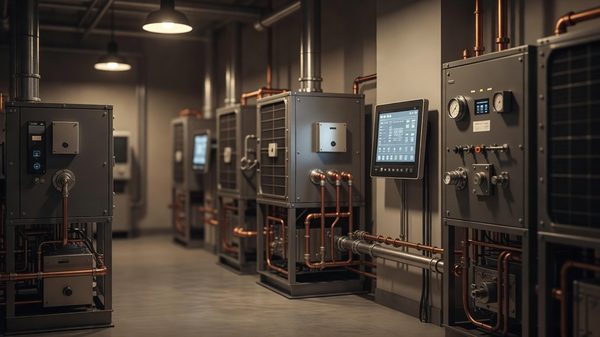
Smart thermostats and HVAC controls: Building on occupancy sensing, smart thermostats adjust heating and cooling setpoints based on occupancy status, time of day, and increasingly, guest preference data from prior stays. Properties that implement occupancy-based setback consistently reduce HVAC energy consumption in guest rooms by 20–35%.
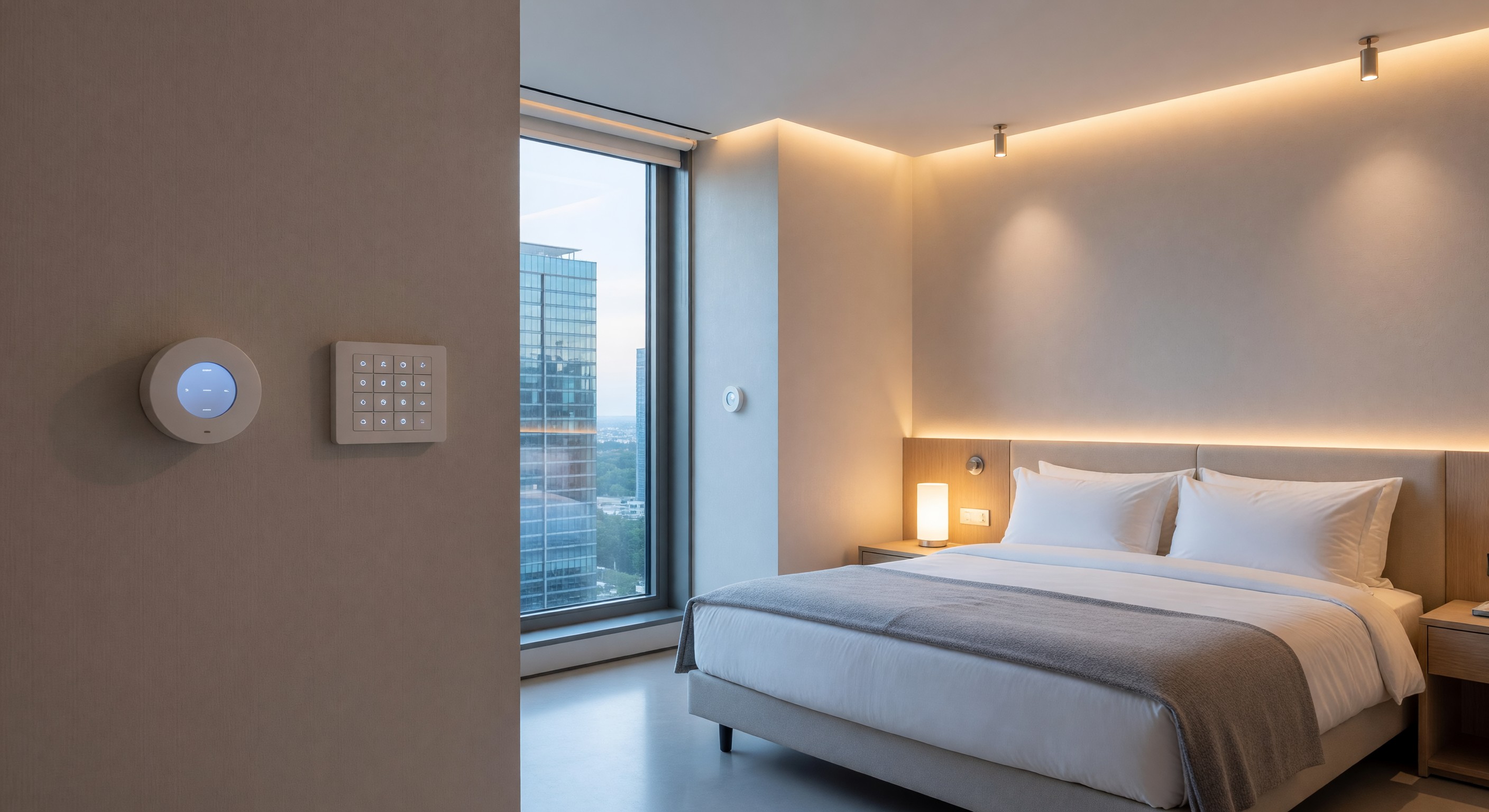
Smart lighting: Dimmable LED lighting with occupancy-based control automatically illuminates guest rooms when occupancy is detected and dims or turns off when rooms are empty. Lighting control systems also enable scene programming (wake-up, reading, relaxing, departure) that guests can activate via bedside panel, phone app, or voice command.
In-room tablets and voice assistants: Dedicated in-room tablets replace printed compendium materials and provide an interface for room controls (lighting, thermostat, do-not-disturb), service requests, F&B ordering, and local recommendations. Voice assistants (Alexa for Hospitality, Google Nest Hub) provide similar functionality with voice interaction. These devices also serve as data collection points for guest preference data when consent is appropriately obtained.
Door status sensors: Sensors on guest room doors and connecting doors monitor open/closed/locked status in real time. This data is useful for housekeeping optimization (confirming a room is vacant before service entry), security event detection (doors held open or opened unexpectedly), and maintenance (detecting doors that fail to fully close, indicating weatherstripping or hardware issues).
Water sensors and leak detection: Point-of-use water sensors at toilet bases, under sink vanities, and in bathroom areas detect water presence that indicates leaks before they become significant water damage events. In multi-story hotels, a single undetected bathroom floor leak can damage multiple rooms below — water sensor detection enables 15–30 minute response versus the hours or days of undetected leaking that often precedes visible ceiling damage on lower floors.
Minibar and consumable sensors: Connected minibars use weight sensors to detect consumption and transmit usage data to the PMS for automatic billing — eliminating the labor-intensive checkout minibar inventory process that is often both time-consuming and prone to disputes.
Energy Management Integration
The energy case for IoT guest room systems is well-established. A large hotel consumes 20–40% of its energy in guest rooms — a substantial portion of which is consumed in unoccupied rooms. The combination of occupancy sensing and HVAC control directly targets this waste:
Vacancy setback: When a room is vacant (door sensor unlocked, no occupancy detected for 15+ minutes), the HVAC system shifts to an energy-saving setback mode — maintaining temperature within a wider band (66–80°F versus the 68–72°F comfort band) that protects the room from extreme temperature while consuming significantly less energy.
Pre-arrival comfort restoration: When a guest is arriving (PMS reservation data indicates check-in time), the HVAC can restore the comfort setpoint 30–60 minutes before expected arrival — ensuring the room is comfortable when the guest enters while limiting the duration of full comfort conditioning.
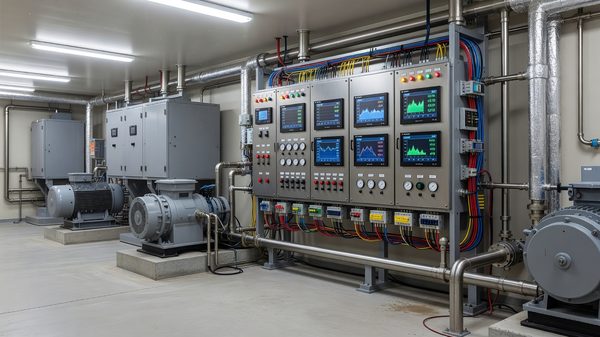
Integration with the BAS: Guest room IoT systems should feed into the building automation system, allowing central monitoring of room temperatures, occupancy status, and energy consumption at the portfolio level. This integration enables property engineers to identify rooms with HVAC systems performing outside normal parameters — an early indicator of equipment issues.
Guest Personalization Applications
Connected guest room infrastructure creates data that can support personalized stay experiences for repeat guests:
- Temperature preferences: If a loyalty member prefers 70°F overnight and 74°F during the day, the HVAC can pre-program these settings for their next stay
- Lighting preferences: Preferred brightness and scene settings
- Pillow and amenity preferences: Can be combined with PMS preference data for housekeeping preparation
Personalization requires guest consent for data collection and linkage to their profile, clear opt-in/opt-out mechanisms, and data governance policies that limit collection to what is genuinely useful. The most successful hotel personalization programs take a minimal data approach — collecting a small number of highly impactful preferences rather than building comprehensive behavioral profiles.
Implementation and Integration Considerations
Guest room IoT deployment requires:
Network infrastructure: Each IoT device requires network connectivity — typically WiFi (2.4GHz or 5GHz) or Zigbee/Z-Wave mesh networks. Hotel networks designed for guest devices may need to support significantly more simultaneous connections when IoT devices are added to each room. Evaluate network capacity before deployment.
Central management platform: IoT devices must be managed centrally — firmware updates, configuration changes, connectivity monitoring — through a platform that allows property engineers to manage hundreds of devices without visiting each room individually.
PMS integration: Occupancy-based services (pre-arrival conditioning, post-checkout setback) require real-time PMS data on reservation status. Integration with the PMS is a prerequisite for the most valuable energy management and personalization use cases.
Security: IoT devices are known attack vectors if not properly secured. Require firmware updates for security patches, isolate IoT devices on a dedicated network VLAN separate from the primary guest WiFi, and select vendors who disclose their security practices and patch cadence.
Frequently Asked Questions
What is the ROI timeline for hotel guest room IoT deployment? Energy-focused IoT implementations (occupancy sensing + HVAC control) typically show 2–4 year simple payback periods at full-service hotel energy rates. At $150–$300 per room for sensing and control hardware plus installation, and energy savings of $60–$120 per room annually, payback is achievable within the first depreciation cycle. Guest experience benefits (reduced complaints about room temperature, personalization preferences) are harder to quantify but add to the total value case.
Do guests generally react positively to IoT-enabled rooms? Research shows mixed responses. Guests who find smart room controls intuitive report higher satisfaction. Guests who find the technology confusing or intrusive report lower satisfaction. The key design principles: make standard room functions (lights, thermostat) work simply without technology interaction, make smart features easily discoverable but not required, and always provide physical controls as fallback for guests who prefer them.
How should hotels handle the privacy implications of occupancy sensing? Clearly disclose occupancy sensing in room literature and privacy notices. Specify what data is collected (detection of occupancy vs. identity), what it is used for (HVAC control, housekeeping coordination), how long it is retained, and that it is not used to monitor guest activities. Aggregated, anonymized occupancy data for energy management raises minimal privacy concerns; individual-linked behavior tracking raises significant concerns. Draw a clear line between operational data collection and behavioral profiling.
What happens to IoT systems when the network goes down? All hotel IoT systems should operate in fail-safe mode during network outages: HVAC should default to a reasonable comfort setpoint, lighting should default to a functional state, and door locks should maintain their current status or default to a fail-secure state. Network-dependent functions (pre-arrival conditioning, remote service requests) will be unavailable during outages, but core room functions must remain operational. Specify fail-safe behavior requirements explicitly when evaluating IoT systems.
Further Reading from Authoritative Sources
- DOE commercial building IoT and smart building energy resources — The DOE Buildings program provides research, case studies, and technical guidance on smart building technology, IoT sensor deployment, and energy management in commercial buildings including hotels.
- HFTP hospitality IoT technology and data governance standards — HFTP provides hospitality technology professionals with IoT implementation guidance, data governance frameworks, and privacy standards for guest-facing technology in hotel operations.