The difference between a reactive maintenance operation and a preventive one is essentially the difference between fighting fires and managing a property. Both involve the same work — inspecting, repairing, and replacing building systems — but the reactive approach does it under emergency conditions, with guests affected, at premium cost. The preventive approach does it on schedule, during controlled conditions, at standard cost.
The math is compelling. Industry data consistently shows that preventive maintenance reduces total maintenance costs by 15–25% compared to reactive-only operations, while significantly reducing emergency repairs, equipment failures, and associated guest impact.
This guide covers the practical elements of building and operating a PM program at a hotel property.
The Core Structure of a PM Program
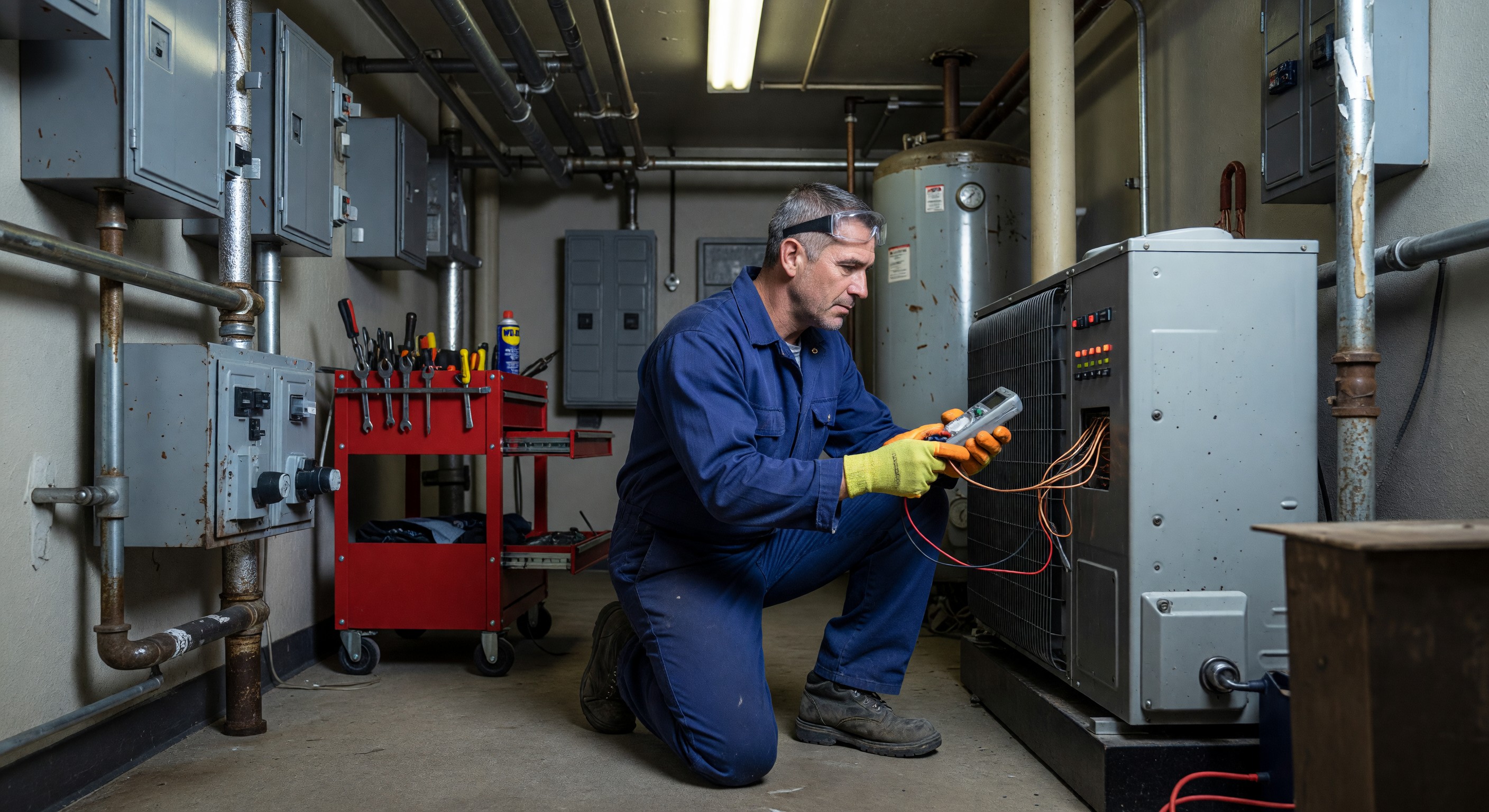
A PM program is, at its simplest, a scheduled system of inspections, adjustments, cleanings, and replacements for every piece of equipment and building component that requires regular attention. The program answers three questions for every asset:
- What needs to be done?
- How often?
- Who does it?
Asset Inventory
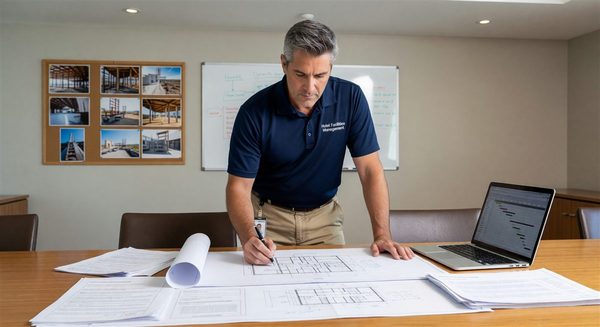
The first step in building a PM program is knowing what you have. A complete asset inventory includes:
- All mechanical equipment (HVAC units, pumps, fans, motors)
- Electrical systems (panels, transformers, generators, UPS units)
- Plumbing equipment (water heaters, pumps, backflow preventers)
- Elevators and escalators
- Life safety systems (fire suppression, alarms, emergency lighting)
- Building envelope components (roofing, exterior walls, windows)
- Parking equipment (gates, pay stations, lighting)
- Kitchen equipment (in food service operations)
- Fitness center equipment
For a 200-room full-service hotel, this inventory typically runs to 500–800 discrete assets, each requiring its own PM schedule.
Frequency Determination
How often each asset needs attention depends on manufacturer recommendations, regulatory requirements, operational criticality, and environmental conditions. General categories:
Daily checks: Fire alarm panel status, generator fuel level, pool chemistry, lobby-facing mechanical equipment visible to guests.
Weekly PM: Pool equipment operational checks, fire extinguisher walk-throughs, elevator visual inspections, PTAC filter checks in high-use rooms.
Monthly PM: Rooftop HVAC unit inspections, water heater flush checks, emergency lighting tests, kitchen exhaust hood cleaning checks, parking gate functionality.
Quarterly PM: Cooling tower treatment, boiler inspections (where applicable), elevator safety tests, comprehensive guestroom PM inspections, fire suppression system checks.
Annual PM: Comprehensive HVAC system inspections, elevator annual inspection (regulatory), fire alarm panel testing, domestic water system inspection, roofing inspection, plumbing pressure tests.
Guestroom PM Program
Guestrooms deserve special attention in any hotel PM program because they’re the most numerous individual spaces to maintain and they directly affect guest experience. A comprehensive guestroom PM cycle typically visits each room quarterly or semi-annually and covers:
- All HVAC function (temperature, airflow, noise)
- Plumbing fixtures (faucets, showerhead, toilet, drain speeds)
- Lighting (all fixtures including task lighting and lamps)
- Television and in-room technology
- Door hardware (lock function, closers, peepholes, hinges)
- Furniture condition
- Window operation and seals
- Safe function
- Mini-fridge operation
- Caulking and grout condition in bathrooms
- Smoke detector test
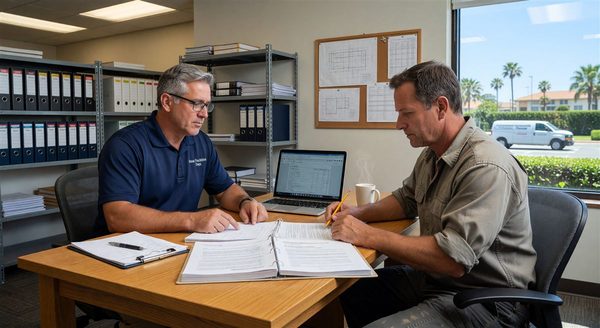
Documenting every item for every room creates a maintenance record that’s invaluable for warranty claims, capital planning, and dispute resolution.
Technology for PM Programs
CMMS (Computerized Maintenance Management Systems)
A CMMS is the operational backbone of any effective PM program at a property above boutique scale. The system:
- Stores the asset inventory and PM schedules
- Generates and assigns work orders automatically based on the schedule
- Tracks completion, time spent, and parts used
- Creates maintenance history for every asset
- Produces reports on PM completion rates, costs, and equipment performance
CMMS options for hotels range from simple scheduling tools to comprehensive facility management platforms. Key capabilities to look for:
- Mobile interface for technicians (tablet or smartphone)
- Integration with the property’s work order request system (for guest-reported issues)
- Barcode or QR code scanning for asset identification
- Cost tracking per asset and category
- Reporting dashboard for management review
The hotel industry has seen significant growth in cloud-based CMMS platforms that require minimal on-premises IT infrastructure. For properties without a dedicated IT team, cloud-based options are often the more practical choice.
Mobile Work Orders
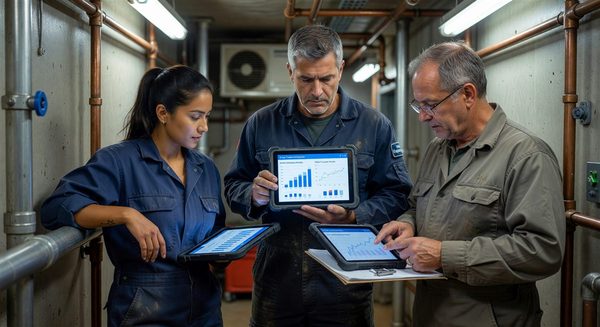
Equipping maintenance technicians with smartphones or tablets connected to the CMMS dramatically improves PM program execution. Technicians can:
- See their daily PM schedule without returning to a central dispatch location
- Document completion with photos
- Log parts used against each work order
- Flag items for follow-up
- Access equipment manuals and specifications in the field
Properties that have moved from paper-based PM to mobile work orders typically see 20–30% improvement in PM completion rates and significantly better documentation quality.
Staffing for a PM Program
Determining Staffing Levels
A common benchmark: one maintenance technician per 50–75 guestrooms for a full-service hotel, or one per 100–125 rooms for a limited-service property. These are rough guides — actual staffing needs depend on the property’s age, system complexity, and which work is self-performed versus contracted.
Beyond room count, consider:
- Square footage of public space, food service, and meeting rooms
- Age of the property and systems (older properties require more labor)
- Contract vs. in-house work split (elevators, fire systems, and some mechanical work typically require licensed contractors)
Skill Sets on the Team
An effective hotel maintenance team needs a spread of skills. A typical team might include:
- Lead engineer/Chief engineer: Oversees program, manages contractors, handles capital planning
- HVAC/mechanical technician: Handles the dominant system complexity
- General maintenance: Covers plumbing, carpentry, painting, drywall
- Electrician (or licensed contractor relationship): Required for electrical work above basic lamp replacement
Contractor Management
Many PM tasks at hotels are performed by contracted service providers: elevator companies, fire alarm contractors, chiller service vendors, pest control, and others. Managing these relationships is a distinct skill.
Effective contractor management includes:
- Maintaining a complete list of all service contracts with scope, frequency, and cost
- Requiring work orders for every contractor visit
- Reviewing service reports from every visit — not just signing and filing
- Scheduling annual bid reviews for major contracts to ensure competitive pricing
- Building relationships with backup vendors so you’re not dependent on a single contractor for critical systems
Measuring PM Program Performance
Key performance indicators for a hotel PM program:
PM completion rate: Percentage of scheduled PM tasks completed on time. Target: 90%+ monthly.
Reactive-to-PM ratio: Ratio of unplanned (reactive) work orders to planned (PM) work orders. A healthy program runs 30–40% reactive, 60–70% PM. Ratios above 50% reactive indicate a program that’s falling behind.
Mean time between failures (MTBF): For critical equipment, track how long between unplanned failures. Improving MTBF is a direct measure of PM program effectiveness.
Cost per occupied room: Total maintenance cost divided by occupied room nights. Compare year-over-year and against comparable properties.
Guest maintenance-related complaint rate: Track maintenance-attributable complaints separately. This is the guest-facing measure of PM effectiveness.
FAQ
How do we prioritize when we’re behind on PM and also handling reactive work? Triage ruthlessly. Life safety systems and equipment that directly affects guest experience get priority over back-of-house equipment. Within guest-impact items, items that have already generated complaints outrank those that haven’t yet. Create a written priority matrix so decisions are consistent.
What’s a reasonable PM completion rate target for a hotel with an understaffed maintenance team? If you’re genuinely understaffed, pushing for 90% completion is a recipe for burnout and quality shortcuts. A better approach is to reduce the PM scope to the critical items that can actually be done well, while documenting the gap as a staffing case to management.
Should guestroom PM visits be scheduled around occupancy? Yes — work on vacant rooms whenever possible. Coordinate with housekeeping and the front office to identify rooms that will be vacant for a full shift. Most PM programs can target 70–80% of guestroom visits during vacancy.
How long should PM records be retained? Keep equipment maintenance records for the life of the equipment plus two years. Keep life safety inspection records (fire, elevator, etc.) for at least five years. Many properties keep these records indefinitely in digital form, which costs nothing and provides significant legal and warranty protection.
Further Reading from Authoritative Sources
- IFMA preventive maintenance program design and facility management standards — IFMA provides facility management professionals with preventive maintenance program design methodologies, asset inventory standards, and PM performance benchmarking frameworks applicable to hotel maintenance program development and management.
- NFPA life safety inspection frequency and documentation standards for hotels — NFPA standards define inspection, testing, and maintenance requirements and frequencies for hotel life safety systems including fire alarms (NFPA 72) and sprinkler systems (NFPA 25) that form core elements of any hotel preventive maintenance program.