Heat pump technology has matured to the point where it is now a viable replacement for gas-fired heating across the majority of US hotel applications — including climates that would have been considered unsuitable for heat pumps a decade ago. The combination of cold-climate heat pump advances, federal incentives under the Inflation Reduction Act, rising natural gas prices, and increasing regulatory pressure on building electrification has positioned heat pumps as the primary HVAC upgrade path for hotels planning major system replacements in the 2024–2030 window.
This guide provides facility managers with a practical understanding of how heat pumps work in hotel applications, which system configurations are appropriate for different building types and climates, and how to approach the financial analysis of a gas-to-electric heating transition.
How Commercial Heat Pumps Work
Heat pumps move heat rather than generate it — they extract heat from outdoor air (or ground or water sources) and deliver it to the building interior. The underlying thermodynamics allow them to deliver 2–4 units of heat energy for every unit of electrical energy consumed, expressed as Coefficient of Performance (COP). A gas boiler operating at 90% efficiency delivers 0.9 units of heat per unit of fuel energy; a heat pump with COP 3.0 delivers 3.0 units of heat per unit of electricity — even though electricity typically costs more per BTU than natural gas.
The apparent energy efficiency of heat pumps versus gas depends on the local electricity rate relative to natural gas rates. In markets where electricity is expensive relative to gas (much of the Southeast, parts of the Midwest), the operating cost advantage of heat pumps may be modest or even negative. In markets where electricity is reasonably priced or gas is expensive (Northeast, much of the West Coast), operating cost savings are often significant.
Hotel Heat Pump System Configurations
Variable refrigerant flow (VRF) systems: VRF heat pump systems are the dominant technology for hotel guest room and public area heating and cooling. A central outdoor unit (or unit array) circulates refrigerant to multiple indoor fan coil units in individual rooms and zones. Heat recovery VRF (HR-VRF) systems can simultaneously heat some zones (interior zones needing heating) while cooling others (perimeter zones with solar gain or high occupancy) — maximizing efficiency by transferring heat from where it’s not wanted to where it is.
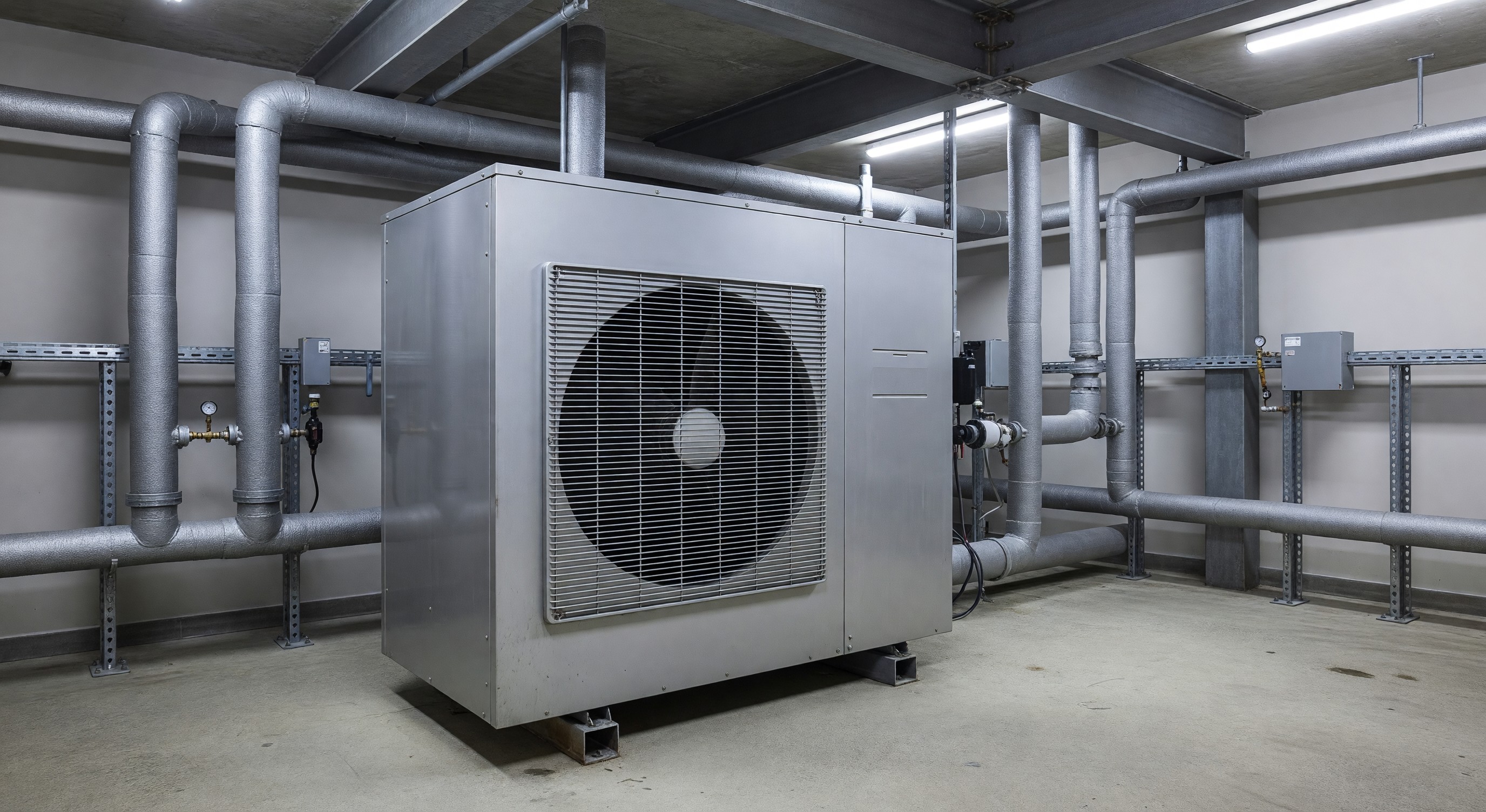
Centralized air-to-water heat pumps: These units produce hot water (for hydronic heating distribution and domestic hot water) and chilled water (for cooling), replacing conventional boiler/chiller plant configurations. Modern air-to-water heat pumps operate at COP of 2.5–4.0 in heating mode down to approximately 17°F ambient, with lower-output operation below that threshold.
Ground source heat pumps (GSHP): Ground source systems exchange heat with the earth rather than ambient air, providing consistent efficiency across all seasons. Higher installation cost (ground loop installation) limits GSHP adoption to new construction or major renovations where ground loop installation is feasible and the project economics support the upfront investment.
Cold climate heat pumps: Advances in compressor technology have produced cold climate heat pump products rated for full-capacity heating output at 0°F and continued (reduced) output at -13°F — adequate for most US hotel markets. Hyper Heat, Ultra Efficient, and similar product lines from major manufacturers (Mitsubishi, Daikin, LG, Bosch) have extended heat pump viability into the northern tier states.
Suitability by Hotel Configuration
Limited-service hotels (guest rooms, limited amenities): VRF systems or heat pump PTACs (packaged terminal air conditioners with heat pump mode) are well-suited for guest room conditioning. Domestic hot water remains the primary gas load to address — heat pump water heaters are now available in commercial capacities that can displace gas water heaters.
Full-service hotels with central heating plants: Replacing boiler/chiller plant with air-to-water heat pump plant represents the most significant transition complexity. Hydronic distribution systems may require modifications to accommodate the lower supply water temperatures common to heat pump operation (typically 120–140°F versus 180°F for gas boilers). Heat emitters (fan coil units, radiators) sized for lower-temperature operation may be required.
Properties in cold climates: Below approximately -5°F, most heat pumps operate at reduced efficiency or reach minimum operating limits. Dual-fuel (heat pump + gas backup) configurations maintain heating reliability in extreme cold while achieving heat pump operation for the vast majority of heating hours. As cold climate heat pump technology continues to advance, pure electric systems become viable at lower temperatures each product generation cycle.
Financial Analysis Framework
A gas-to-heat-pump transition analysis requires:
- Current energy baseline: Total gas consumption by end use (heating, DHW, cooking) and current utility costs
- Heat pump operating cost projection: Apply heat pump COP to heating loads, convert to electricity at projected electricity rates
- Equipment and installation cost: Obtain quotes from qualified mechanical contractors for the specific system configuration
- Incentives: Federal IRA Section 179D tax deduction for commercial building energy efficiency improvements; Section 48C advanced energy manufacturing credits for qualifying equipment; state utility incentives that vary significantly by market
- Residual value of existing gas equipment: If gas boilers are being retired early, the remaining book value is an accelerated depreciation opportunity
In many markets, the operating cost delta (gas versus electricity) is modest when heat pump efficiency is applied — sometimes near zero or slightly positive for electricity. When incentives are incorporated, project economics often support 8–15 year payback periods for full electrification, with shorter paybacks for targeted applications like heat pump water heaters.
Regulatory Context
By 2024, building electrification regulations have moved from California-only policy to a broader national conversation:
- California, Washington State, New York, and several other states have enacted or are developing building performance standards that penalize high carbon emissions buildings or require electrification on defined timelines
- NYC Local Law 97 imposes carbon penalty fees beginning 2024 on large buildings, incentivizing gas-to-electric transitions
- IRA Section 179D expanded and extended commercial building energy efficiency tax deductions that improve the economics of qualifying electrification projects through 2032
Hotels in high-regulatory-activity states should assess their exposure to emerging electrification requirements when planning any major HVAC capital expenditure.
Frequently Asked Questions
Do heat pumps work in very cold climates for hotel applications? Modern cold climate heat pumps (Mitsubishi Hyper Heat, Daikin Altherma, Bosch Ultra Efficiency and similar products) maintain rated capacity down to 5°F and operate (at reduced output) to -13°F or below. For hotel heating applications in the northern tier states (Minnesota, Wisconsin, upstate New York, New England), dual-fuel configurations that use heat pump operation for the majority of heating hours with gas backup during extreme cold events provide reliability while capturing most of the efficiency benefit.
Is a full heating system electrification financially justified without incentives? In most markets, the full electrification business case requires incentives (federal ITC, IRA 179D, state and utility programs) to achieve reasonable payback periods. Simple replacement of gas heating with equivalent-capacity electric resistance heating (without heat pump efficiency) is not economically justified at current electricity rates. Heat pump efficiency (COP 2.5–4.0) changes the equation significantly, but the capital cost premium over conventional gas equipment replacement still typically requires incentive support for a compelling payback.
How does hotel electrification affect carbon footprint? In markets with high-renewable electricity grids (Pacific Northwest, much of the Southwest), electrification dramatically reduces building carbon intensity. In markets with coal-heavy grids, the carbon benefit of electrification is more modest. The EPA’s eGRID database provides regional electricity carbon intensity data for market-specific analysis. As the national grid decarbonizes over time, already-electrified buildings benefit automatically from grid improvements — a hedge value that doesn’t appear in current-year financial analysis.
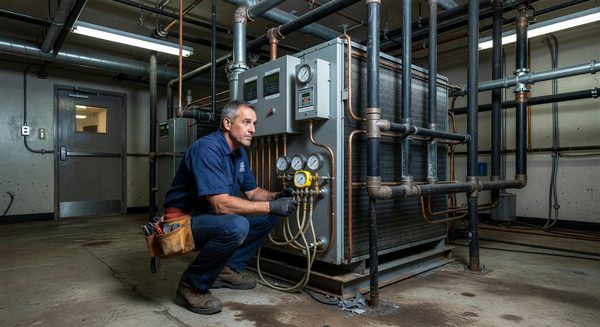
What is the maintenance difference between heat pump and gas heating systems? Heat pump systems have different maintenance requirements than gas heating systems but similar overall complexity. Refrigerant circuit maintenance (leak checking, pressure testing) replaces combustion system maintenance (burner cleaning, flue inspection, heat exchanger inspection). Both require annual contractor service. Heat pumps eliminate combustion safety risks (CO monitoring, gas leak risk) but introduce refrigerant handling requirements (EPA Section 608 certification for refrigerant work, proper refrigerant disposal).
Further Reading from Authoritative Sources
- DOE commercial building heat pump resources and IRA incentives — The DOE Buildings program provides the primary federal resource for commercial heat pump technology guidance, efficiency standards, and information on IRA incentive programs.
- ASHRAE heat pump standards and refrigerant guidance — ASHRAE develops HVAC standards including heat pump performance metrics, refrigerant management guidance, and commercial building HVAC system design standards.