Hotels are among the highest-risk workplaces for violence against employees. Hospitality workers — particularly front desk staff, housekeeping teams, and room service personnel — regularly encounter intoxicated guests, individuals in emotional distress, and visitors whose behavior is unpredictable. The isolated nature of some duties (housekeeping in unoccupied room corridors, night audit shifts with minimal staffing) creates situations where help is not immediately available.
The hospitality industry has historically underinvested in workplace violence prevention compared to other high-risk sectors. Increasing regulatory pressure — including California’s Hotel Housekeeping Injury Prevention Act and OSHA’s focus on hospitality sector ergonomic and safety standards — combined with a tighter labor market that makes retaining quality staff essential, has elevated workplace safety as a strategic priority for hotel operators.
This guide covers the framework for hotel workplace violence prevention: risk assessment, physical safeguards, policy development, staff training, and incident response.
Defining Workplace Violence in the Hotel Context
OSHA defines workplace violence as “any act or threat of physical violence, harassment, intimidation, or other threatening disruptive behavior that occurs at the worksite.” In hotel applications, the most common categories are:
Guest-on-staff violence: Physical assault, verbal abuse, harassment, or threatening behavior by hotel guests toward employees. Front desk staff, housekeeping, and food and beverage personnel are the most frequently affected.
Intruder violence: Violence by individuals who are not hotel guests or employees — unauthorized persons who enter the property. This category includes armed robbery, which remains a significant risk at hotels with cash-handling operations.
Co-worker violence: Less common in hospitality than in other sectors, but HR-driven incidents (terminations, workplace conflicts) can escalate to physical confrontations.
Intimate partner violence: Hotel workplaces are sometimes sites of violence related to employees’ personal relationships. Visible security measures and clear notification protocols for at-risk employees are important elements of a complete program.
Risk Assessment
Effective workplace violence prevention begins with a structured risk assessment. For hotels, key risk factors to evaluate:
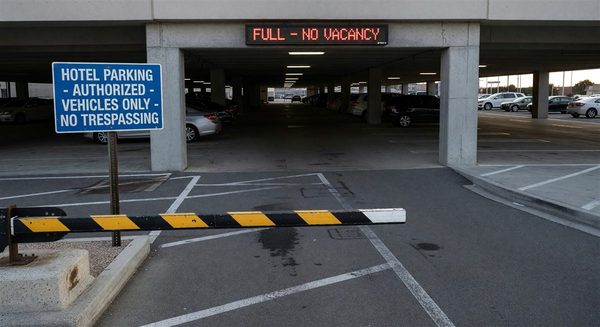
Location factors: High-crime neighborhoods, proximity to transit facilities, isolation of parking areas, poor exterior lighting, and limited sight lines at entry points all increase risk.
Operational factors: 24-hour operations with minimal late-night staffing, cash-handling positions, isolated work areas (housekeeping corridors, laundry facilities, back-of-house), guest-facing staff in intoxication-prone venues.
Physical environment: Areas with poor CCTV coverage, lack of staff-accessible communication devices (panic buttons, phones, radios), inadequate barriers between staff and public-facing counter areas, and poor lighting in parking and service areas.
Incident history: Review incident logs for the prior 3–5 years. Properties with elevated prior incident rates in specific areas or positions should prioritize those areas in mitigation planning.
Physical Safeguards
Physical environment modifications are among the most effective workplace violence prevention measures:
Panic buttons and duress alarms: Wearable panic buttons — now required for housekeeping staff in several states and by some major hotel brands — allow staff to summon help without verbal communication. Systems range from simple radio-activated panic buttons to GPS-tracked wearable devices that transmit the employee’s exact location within the building.
Counter barriers at front desk: Physical barriers between front desk staff and guests prevent guests from reaching over or around the counter. Full-height barriers are standard in high-risk locations; partial countertop barriers are minimum standard.
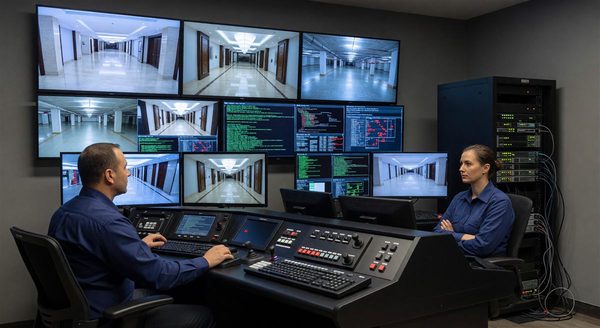
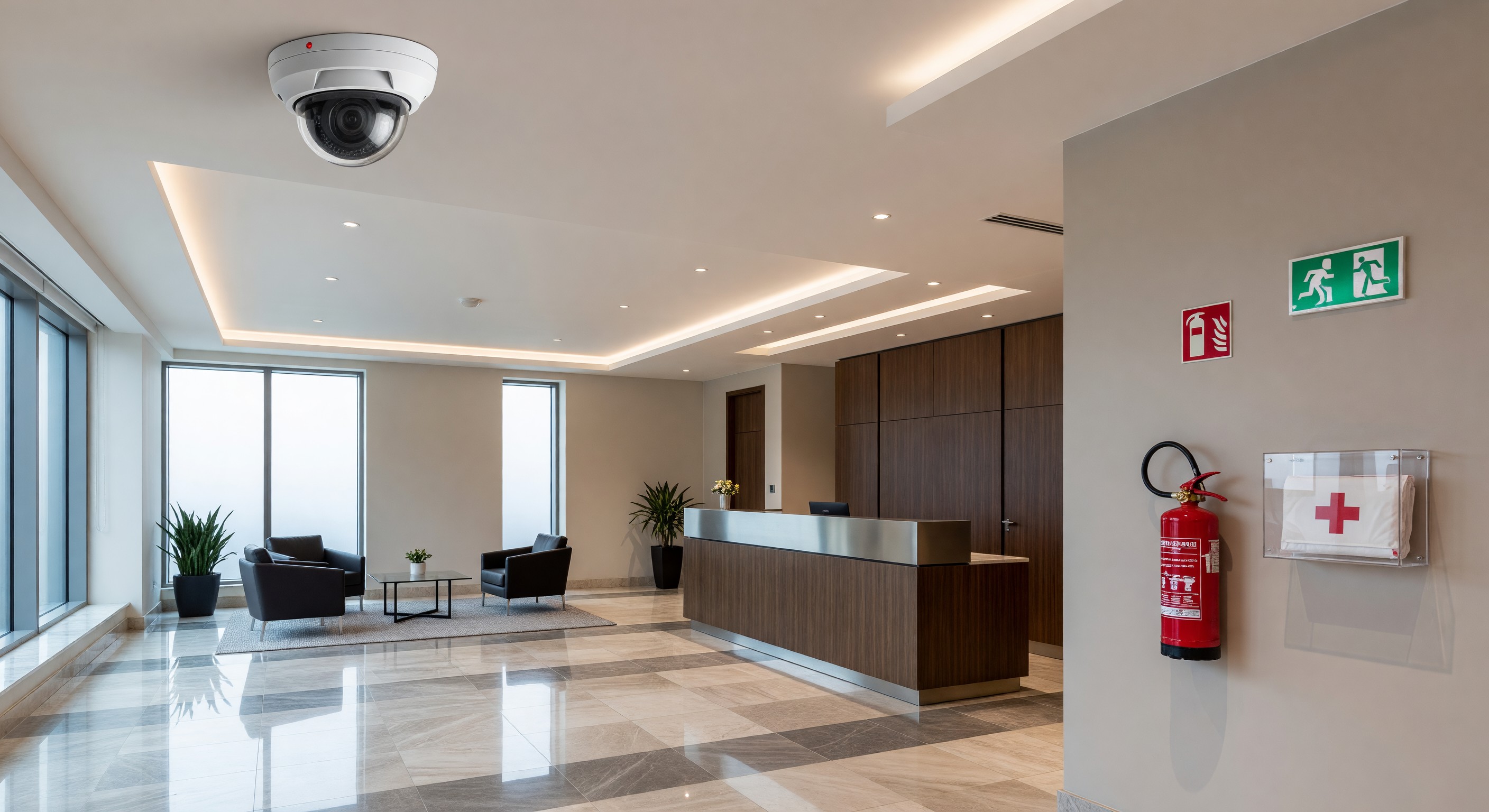
Camera coverage: CCTV coverage should extend to all guest corridors, elevator lobbies, parking areas, and staff areas including laundry rooms and housekeeping closets. Camera coverage gaps are risk gaps.
Key card access for staff areas: Back-of-house areas — laundry, engineering, housekeeping storage, employee break rooms — should be key card controlled to prevent unauthorized guest or visitor entry.
Lighting: Adequate lighting in parking areas, service corridors, and building exteriors reduces risk. Motion-activated lighting in low-traffic areas is acceptable; continuously lit areas are preferred at high-risk locations.
Communication devices: All isolated staff (housekeeping working on occupied-floor corridors, overnight security, parking attendants) should carry a communication device — two-way radio, smartphone, or dedicated panic device — that allows immediate contact with a supervisor or security personnel.
Policy Framework
A written workplace violence prevention policy should be adopted by hotel management and communicated to all employees. Key policy elements:
Zero tolerance statement: Clear statement that workplace violence — physical assault, threats, intimidation — is a terminable offense and that hotel management will support prosecution when employees are assaulted.
Reporting obligation: Employees must report all threats, assaults, and near-miss incidents. Fear of retaliation for reporting is the primary reason workplace violence goes underreported. Explicitly address this in policy.
Incident response: Describe what happens when an incident is reported — who investigates, what timeline applies, how the employee is supported, and what communication to expect.
Domestic violence protocol: Employees experiencing domestic violence who believe their workplace may be targeted should be encouraged to notify management. The hotel can then implement specific measures (notify front desk not to provide the employee’s schedule, provide additional security escort, adjust parking location).
Disruptive guest protocol: Clear authority for management to remove disruptive or threatening guests from the property, with support from law enforcement if needed, and without hesitation based on fear of occupancy impact.
Staff Training
Training is the behavioral element of workplace violence prevention. Effective training programs for hotel staff include:
De-escalation: Verbal de-escalation techniques are the first line of defense for front desk and guest-facing staff encountering agitated guests. Training should cover tone, body language, active listening, and techniques for redirecting angry individuals.
Early warning recognition: Staff should be trained to recognize behavioral indicators of escalating risk — verbal threats, menacing body language, possession of weapons — and to report these immediately.
Bystander response: Training on when and how to intervene (or call for help) when a colleague is being victimized.
Incident reporting: Practical training on how to complete incident reports, what information to preserve, and who to notify.
Incident Response and Support
When a workplace violence incident occurs, the hotel’s response in the immediate aftermath matters significantly for staff wellbeing and legal protection:
- Ensure immediate medical attention for any injured parties
- Call law enforcement and cooperate fully with investigation
- Document the incident with as much detail as possible while memory is fresh
- Provide employee assistance program (EAP) resources to affected employees — violence is traumatic even when physical injury is minimal
- Review what physical or procedural factors contributed to the incident and implement corrective action
Frequently Asked Questions
Are hotels required to provide panic buttons to housekeeping staff? Requirements vary by jurisdiction. California, Illinois, New York, Washington State, and Washington D.C. have enacted legislation requiring panic buttons for hotel housekeeping workers. Several major hotel brands (Marriott, Hilton, IHG, Hyatt, Wyndham) committed to providing staff panic buttons to all properties as part of the AHLA “5-Star Promise” initiative. Even where not legally required, panic buttons are becoming an industry standard and are increasingly expected by brand QA programs.
What is the hotel’s liability if a guest assaults a staff member? Hotels have a duty to provide a reasonably safe workplace under OSHA General Duty Clause standards. If a hotel failed to implement reasonable violence prevention measures — particularly in a known high-risk environment — and a staff member is assaulted, the hotel faces potential OSHA citations and civil liability. Workers’ compensation covers most direct injury costs, but egregious failures in prevention can support additional legal claims.
How should hotels handle guests who are intoxicated and acting aggressively? Establish clear escalation protocol: front line staff attempt verbal de-escalation; supervisor or security is called when de-escalation fails or the guest poses immediate risk; law enforcement is called without hesitation when physical violence occurs or is imminent. Document all incidents, including guest names from registration records, as these records support subsequent trespass banning and law enforcement cooperation.
What security staffing levels should hotels maintain overnight? There is no universal standard. Risk assessment should drive the decision: property location, incident history, room count, and physical layout all influence appropriate overnight security staffing. At minimum, a single designated security or manager-on-duty position should be responsible for property security during overnight hours, with clear protocols for engaging law enforcement when needed.
Further Reading from Authoritative Sources
- OSHA workplace violence prevention standards for hospitality workers — OSHA provides workplace violence prevention guidelines, General Duty Clause standards, and hospitality sector safety requirements applicable to hotel workplace violence prevention program development and compliance.
- AHLA 5-Star Promise and hotel employee safety resources — AHLA provides the 5-Star Promise framework, hospitality workplace violence prevention standards, and staff safety program guidance applicable to hotel workplace violence prevention policy development.