Hotel security staff occupy a unique position in hospitality operations — they must simultaneously embody the service culture of the hotel and maintain the vigilance required to protect guests, employees, and property from an expanding range of threats. The days when hotel security primarily meant patrolling parking lots and responding to noise complaints are past; contemporary hotel security staff encounter situations that require professional crisis management, medical response, active threat recognition, and sophisticated de-escalation skills.
Security training programs must evolve to match the threat environment. This guide covers the competency domains that form the foundation of a modern hotel security training program and how hotels should structure ongoing training to maintain skills that decay without regular reinforcement.
The Modern Hotel Security Competency Framework
De-escalation and verbal crisis intervention: The most frequently applied skill in hotel security is the ability to calm agitated guests, manage disputes, and prevent minor conflicts from escalating to violence. De-escalation training — teaching active listening, body language awareness, empathy-based communication, and tactical disengagement when appropriate — is the highest-return training investment for most hotel security programs. Organizations like the Crisis Prevention Institute (CPI) and the Verbal Judo Institute offer structured programs widely used in hospitality security.
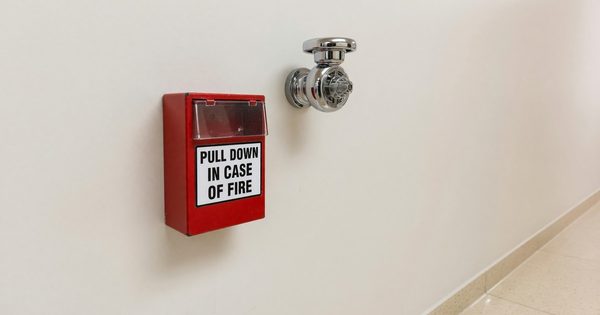
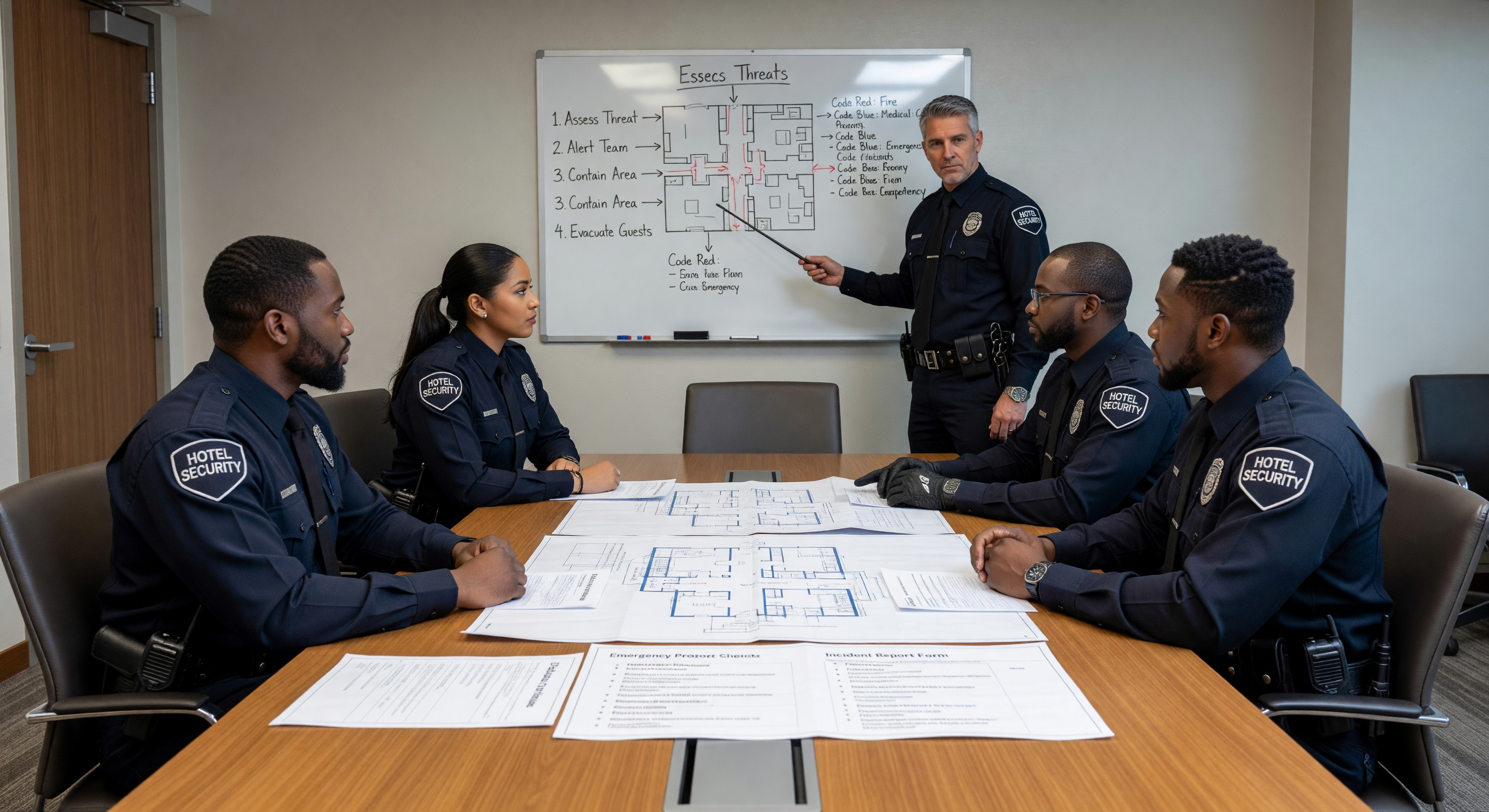
Active threat response: Since the 2017 Las Vegas attack, active threat response training has become a standard requirement for hotel security staff at brands across the industry. The ALICE (Alert, Lockdown, Inform, Counter, Evacuate) training methodology and CISA’s Run-Hide-Fight framework provide established curricula. Security staff training should go beyond general awareness to include specific response protocols for the hotel’s layout — where guests would shelter, which doors can be locked from inside, communication protocols during active incidents, and how to coordinate with arriving law enforcement.
Emergency medical response: Hotel security staff frequently serve as first responders to medical emergencies before paramedics arrive. CPR and AED certification is the minimum baseline; Hands-On medical training that includes oxygen administration, hemorrhage control (STOP THE BLEED training), seizure management, and overdose response (naloxone administration) expands capability significantly. The Wilderness First Responder certification, while typically used in outdoor settings, includes multi-system medical assessment skills that are valuable in high-complexity hotel medical situations.
Mental health crisis response: Hotel security staff encounter guests experiencing mental health crises with significant frequency — guests who are suicidal, experiencing acute psychosis, or who have decompensated from medication changes. Crisis Intervention Team (CIT) training (the “Memphis Model”) developed for law enforcement has been adapted for civilian security applications and provides a structured approach to mental health crisis communication and safe referral to appropriate services.
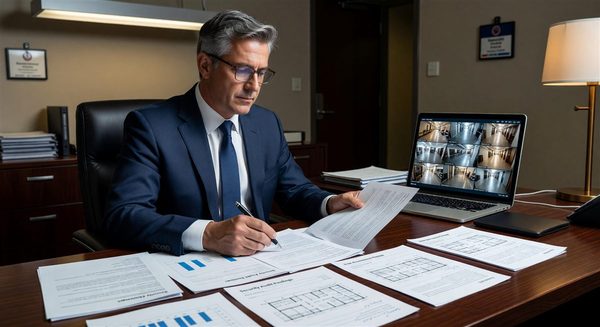
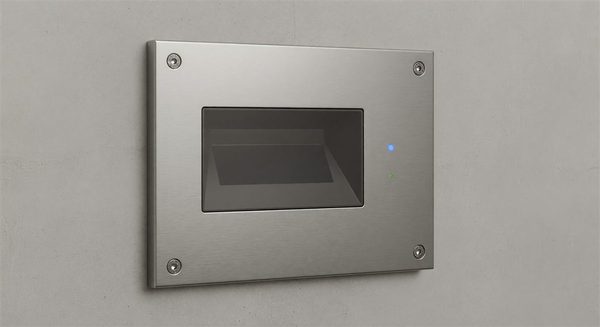
Surveillance and technology operation: Modern hotel security staff must be competent in operating video surveillance systems (camera navigation, recording retrieval, export for law enforcement), electronic lock audit trail retrieval, and the hotel’s BAS/security integration platform. As AI-enhanced surveillance becomes more common, familiarity with alert systems and their limitations becomes part of the required skill set.
Legal authority and use of force: Hotel security staff operate under a specific legal framework — they are not law enforcement officers and do not have arrest authority in most jurisdictions beyond citizen’s arrest provisions. Understanding the boundaries of legal authority, proper documentation of incidents, the use of force continuum applicable in their jurisdiction, and when to call law enforcement (and what to tell them) prevents the liability exposure that comes from exceeding appropriate authority.
Training Program Structure
New hire orientation (minimum 40 hours before independent deployment):
- Property-specific emergency action plans and life safety systems
- De-escalation fundamentals
- Emergency medical response (CPR/AED)
- Surveillance system operation
- Report writing and documentation
- Legal authority and use of force policy
- Guest service standards integration (security-specific)
Ongoing training (quarterly minimum):
- Scenario-based practice of high-frequency situations (intoxicated guest management, guest medical emergency, room intrusion report)
- CPR/AED skills refresher (annual certification renewal)
- New threat briefings (based on incident trends at the property and industry-wide)
- Technology updates (new surveillance features, lock system capabilities, emergency communication systems)
Annual comprehensive training:
- Active threat response exercise (tabletop and/or live drill with law enforcement coordination)
- Full emergency action plan review
- De-escalation skills evaluation and remediation if needed
Brand Standards and Regulatory Requirements
Major hotel brands have significantly increased security training requirements since 2017. Brand-specific requirements vary but commonly include:
- Security staff minimum training hours before independent deployment
- CPR/AED certification requirement
- Active threat response training (ALICE or equivalent)
- Workplace violence awareness
- Annual refresher requirements
State and local licensing requirements for hotel security staff vary significantly. Some states require security guard licensing that includes fingerprinting, background check, and minimum training hours. Properties that fail to verify staff meet applicable licensing requirements face regulatory exposure in addition to liability risks from incidents involving unlicensed security staff.
Documentation and Incident Reporting
Security training effectiveness is evidenced through incident documentation quality. Security staff should be trained to produce reports that include:
- Accurate time sequences (verified against surveillance footage timestamps, not estimated)
- Verbatim quotes of relevant statements where possible
- Names and contact information of witnesses
- Description of evidence observed and preserved
- Actions taken and by whom
- Outcomes and referrals (police report number, EMS response, management notification)
Report quality determines whether incidents can be successfully defended in legal proceedings, and whether patterns that warrant policy or training changes can be identified from aggregate incident analysis.
Mental Wellness Support for Security Staff
Hotel security staff encounter traumatic incidents — deaths, violent assaults, medical emergencies — that create accumulated stress that may not be recognized or addressed in traditional hospitality operations. Debriefing protocols following significant incidents, Employee Assistance Program (EAP) promotion, and management cultures that normalize seeking mental health support are essential elements of a complete security personnel program.
Frequently Asked Questions
Is CPR/AED certification required for hotel security staff? Most major hotel brand standards and many state security guard licensing programs require CPR/AED certification for security staff. Even where not technically required, the liability exposure of a hotel security officer who does not respond appropriately to a cardiac event in a guest — when CPR and AED availability could have saved a life — makes certification a non-negotiable professional standard.
How should hotels document security staff training? Maintain a training record for each security employee that includes: date of each training completed, program name and provider, hours completed, certification number (for CPO, CPR, AED, etc.), and expiration date for certifications requiring renewal. Digitize these records in the HRIS or security management platform and set automatic alerts for approaching certification expirations.
What is the best approach for small hotels without dedicated security staff? Properties without dedicated security positions should train all guest-facing management staff in the core competencies: de-escalation, CPR/AED, active threat response awareness, and emergency action plan execution. Manager-on-duty positions should receive more comprehensive training equivalent to dedicated security officer onboarding. The security responsibilities don’t disappear because there’s no dedicated security staff — they transfer to whoever is responsible for the building during any given shift.
How often should hotel security training be updated? Review training content annually against current threat intelligence (review recent incident reports from your brand, regional hospitality associations, and law enforcement briefings), update any regulatory or brand standard changes, and refresh technology training whenever significant system changes occur. Static training programs that haven’t been reviewed in 3+ years are often addressing last decade’s threat environment rather than today’s.
Further Reading from Authoritative Sources
- AHLA hotel security training and 5-Star Promise staff safety resources — AHLA provides hospitality industry security training standards, the 5-Star Promise framework for staff safety, and brand security program guidance applicable to hotel security staff training program development.
- OSHA workplace violence prevention and security training standards — OSHA provides workplace violence prevention standards, General Duty Clause employer obligations, and security training requirements applicable to hotel security staff program development and compliance.