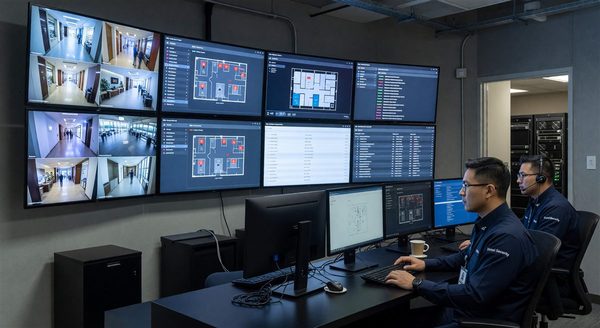
Hotel fire safety compliance is not an annual inspection event — it is a continuous operational program. The fire alarm system, sprinkler system, fire extinguishers, emergency lighting, egress routes, and kitchen suppression systems that protect hotel guests require ongoing inspection, testing, and maintenance throughout the year, as well as staff training that keeps response procedures active and practiced.
This guide covers the ongoing operational requirements for hotel fire safety systems — what must be tested, how often, by whom, and what documentation fire marshals will review when they inspect your property.
The Hotel Fire Safety System Inventory
A comprehensive hotel fire safety program addresses every component of the life safety system:
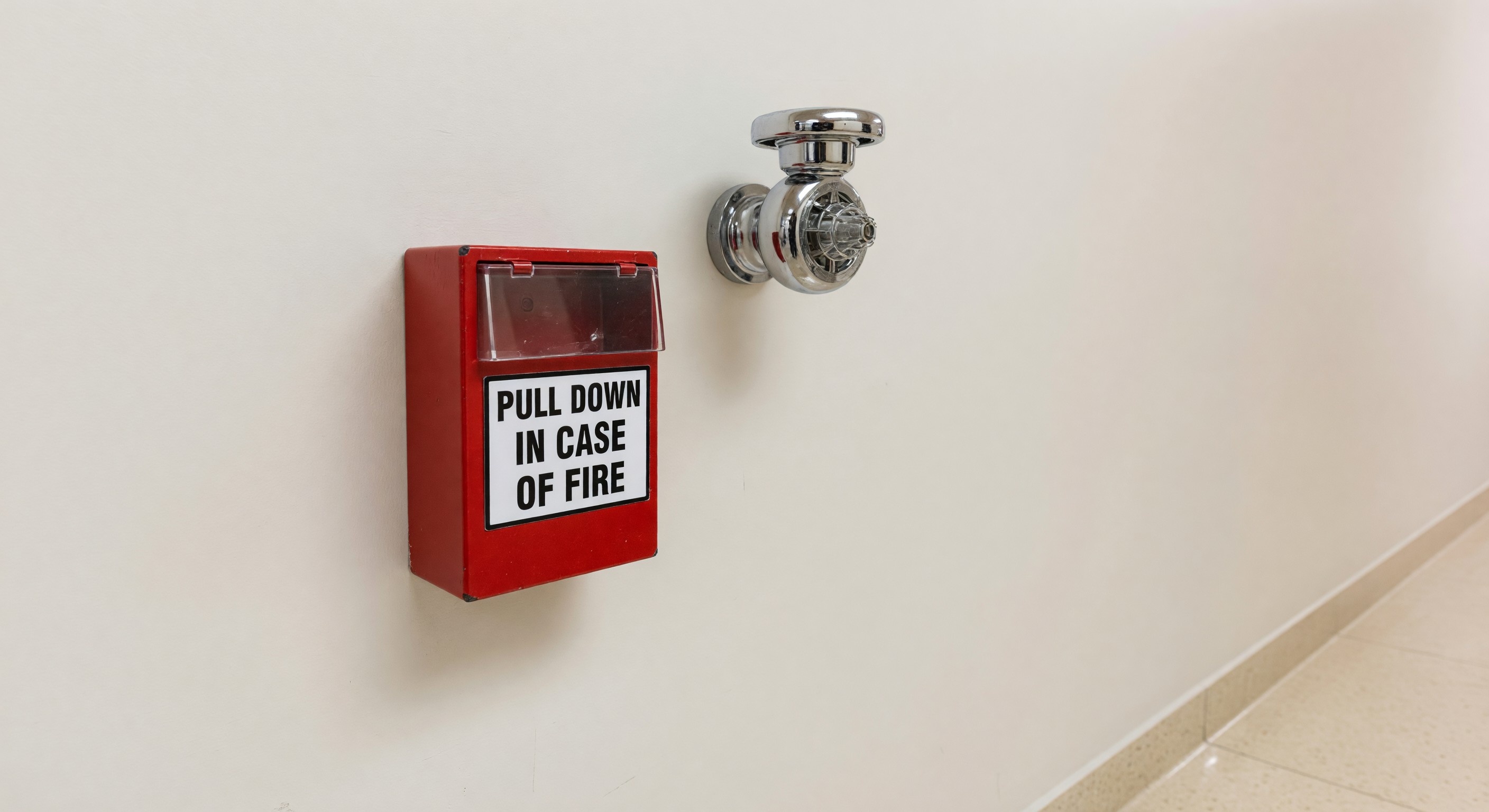
Fire alarm system: Smoke detectors (ionization and photoelectric), heat detectors, manual pull stations, notification appliances (horns, strobes), the fire alarm control panel (FACP), and monitoring connection to the central station. Required testing frequencies (NFPA 72): smoke detectors annually; heat detectors semi-annually; manual pull stations semi-annually; notification appliances semi-annually; all devices visual inspection monthly.
Fire sprinkler system: Wet pipe systems (the most common in hotel areas that are not exposed to freezing), dry pipe systems (in unheated areas like parking structures), and pre-action systems (in data/server rooms). Required inspections (NFPA 25): system inspector’s test quarterly; water flow alarms quarterly; main drain test annually; internal inspection of piping every 5 years; sprinkler head inspection annually.
Kitchen fire suppression: Type I hood suppression systems (wet chemical) require semi-annual inspection and maintenance by licensed fire suppression contractors. Six-year internal component inspection (NFPA 17A).
Fire extinguishers: Monthly visual inspection by hotel staff; annual maintenance inspection by a licensed fire extinguisher service contractor; internal examination at 6-year intervals; hydrostatic testing at 12-year intervals.
Emergency lighting and exit signs: Battery-operated emergency lights require monthly 30-second functional test and annual 90-minute duration test. Exit sign illumination must be continuously maintained.
Fire doors: Self-closing fire-rated doors in egress corridors must be maintained with properly functioning closers, unobstructed by door wedges or propping devices. Annual inspection of all fire door hardware.
Egress routes: Corridors, stairwells, and exit doors must remain clear of obstructions, properly illuminated, and free from storage. Corridor smoke compartmentalization (smoke doors) must be functional.
Documentation Requirements
Fire inspectors expect organized documentation that demonstrates compliance. What to maintain:
Inspection and testing logs: Date of each inspection/test, who performed it, what was tested, any deficiencies found, and corrective action taken. For contractor-performed services, maintain the contractor’s service report.
Contractor certificates: Service reports from licensed fire alarm, sprinkler, and kitchen suppression contractors, including contractor license numbers.
Deficiency tracking: When an inspection identifies deficiencies, the corrective action must be tracked to completion. Outstanding deficiencies without documented correction plans are significant compliance failures.
Staff training records: Documentation that hotel staff have received fire safety training — evacuation procedures, fire extinguisher use, emergency calling procedures — at hire and at annual intervals.
Emergency evacuation plan: Current, posted, and accessible to all staff. Evacuation plans must be specific to the property layout and include procedures for guests requiring evacuation assistance.
Staff Training Requirements
NFPA 101 and most state fire codes require hotel employees to receive fire safety training. Requirements vary by jurisdiction, but typical elements include:
Evacuation procedures: Staff must know the hotel’s fire response procedures — what to do when an alarm sounds, how to search assigned floor areas (if applicable), how to direct guests to exits, and assembly point locations.
First-use fire extinguisher training: Front-line engineering and security staff should receive hands-on extinguisher training (using the PASS technique: Pull, Aim, Squeeze, Sweep). High-rise hotel programs may include more extensive fire brigade training.
Guest evacuation assistance: Procedures for assisting guests with disabilities during evacuations — identifying areas of rescue assistance, communicating with guests who cannot use stairs, and coordinating with the fire department.
Fire watch procedures: When a fire protection system is out of service, NFPA 101 requires implementing fire watch — periodic patrol of the affected areas to identify and report fires while the system is inoperative.
Frequency: Training should occur at employee hire and at annual intervals. Some jurisdictions require quarterly or semi-annual fire drills for hotel staff.
Common Compliance Failures Found During Fire Inspections
Propped or disabled fire doors: The most common violation in hotel corridor inspections. Housekeeping staff prop fire-rated corridor doors to allow easier movement of carts; guests prop room doors. Automatic door closers that have been disconnected or removed. Address through staff training and disciplined round documentation.
Obstructed sprinkler heads: Items stored close to sprinkler heads (within 18 inches of the deflector for standard coverage heads) obstruct spray pattern and impair sprinkler effectiveness. Storage rooms and mechanical spaces are frequent offenders.
Missing or outdated fire extinguisher tags: Extinguishers without current annual service tags are violations. Monthly visual inspections documented on punch tags are also required and are frequently missing.
Non-functional emergency lighting: Battery-powered emergency lighting units with dead batteries fail silently — the unit appears present but provides no light during an actual power failure. Monthly testing is the only way to identify non-functional units before an emergency.
Egress path obstructions: Housekeeping carts, luggage, and temporarily stored materials left in egress corridors. Engineering and security rounds should identify and remove obstructions immediately.
Frequently Asked Questions
How often do fire marshals inspect hotels? Inspection frequency varies by jurisdiction and risk classification. In many states, hotels receive annual inspections from the local fire marshal or building department. Higher-risk properties (older construction, frequent violations history) may receive more frequent inspections. New hotels typically receive an inspection following the certificate of occupancy. Hotels in some jurisdictions are also subject to unannounced inspections at any time.
What are the most serious fire code violations that can result in hotel closure? Violations that create immediate occupant risk can result in immediate occupancy restriction: non-functional fire suppression system (entire system offline, major deficiency in a critical zone); non-functional fire alarm monitoring; significant egress route obstruction; missing or disabled fire doors in required locations; absence of required fire watch when required systems are impaired. Most violations receive correction time — the threat of immediate closure is reserved for imminent hazards.
How should hotels handle a sprinkler head activation (accidental discharge)? After an accidental discharge: (1) Identify and shut off the water supply to the affected zone (every engineering team member must know the location of the main and zone shut-off valves); (2) Notify the fire department that the alarm is accidental (if they respond); (3) Document the activation event and cause; (4) Contact the fire alarm and sprinkler contractor for inspection before returning the system to service; (5) Document the event for the AHJ if required by local code. Do not return an impaired system to service until inspected and cleared by a licensed contractor.
What is the hotel’s obligation when a guest room smoke detector activates for cooking? When a guest-activated alarm results from nuisance activation (steam from shower, cooking odor from a microwave), the alarm must be reset only after confirming there is no actual fire. If the hotel’s response procedure requires physical verification of the alarm location by engineering or security before reset, that procedure must be followed even for suspected nuisance activations. Do not allow guests to disable or cover smoke detectors — this creates code violations and genuine safety risk. If a specific room has recurring nuisance alarms, investigate the sensitivity of the detector and consider replacement with a more appropriate device type.
Further Reading from Authoritative Sources
- NFPA 72, NFPA 25, NFPA 101, and NFPA 17A hotel fire safety standards — NFPA develops and maintains the fire and life safety codes that govern hotel fire safety compliance, including testing frequencies, documentation requirements, and staff training obligations that fire marshals inspect against.
- OSHA fire safety standards and employee emergency action plan requirements — OSHA’s emergency action plan standards and fire protection requirements establish employer obligations for hotel fire safety training, evacuation planning, and employee protection that complement NFPA code requirements.