Hotel sustainability certifications have moved from a niche marketing differentiator to a genuine operational and commercial consideration. Corporate travel managers increasingly require sustainability credentials from hotel partners. Upscale leisure travelers consider environmental practices in booking decisions. And hotel brands are incorporating sustainability performance into their own standards.
For facility managers and directors of engineering, sustainability certification means more than putting a green logo on the website. It means systematic measurement, documentation, and continuous improvement across energy, water, waste, and operational practices. The facility team is central to achieving and maintaining any sustainability certification.
This guide covers the major hotel sustainability certifications, what they require operationally, and how to choose the right program for your property.
Overview of Major Hotel Sustainability Certifications
LEED (Leadership in Energy and Environmental Design)
LEED is the most widely recognized green building certification globally, administered by the U.S. Green Building Council (USGBC). It’s primarily a building certification (for design and construction) rather than an operational certification.
For existing hotels: LEED O+M (Operations and Maintenance) is the applicable version. It certifies a building’s operational practices rather than its design. Certification levels are Certified, Silver, Gold, and Platinum based on a points system.
What it requires: Comprehensive measurement and management of energy, water, indoor air quality, sustainable purchasing, waste, and site management. Requires third-party verification. Energy and water benchmarking through ENERGY STAR Portfolio Manager is typically required.
Cost: LEED O+M certification fees start around $3,000–$5,000 for registration plus $0.045/sq ft for certification. Preparation and consulting costs typically add $15,000–$50,000+ depending on the property’s current state and the consultant engaged.
Best for: Properties with strong existing sustainability infrastructure and management, or those pursuing it as part of a brand or ownership requirement.
Green Key (Global)
Green Key is an international eco-label specifically designed for tourism and hospitality. It’s administered locally by affiliate organizations in each country (Foundation for Environmental Education in Europe, various organizations in North America).
Criteria focus: Energy, water, climate change action, environment, CSR, health and safety, indoor environment, and local responsibility.
Process: Self-assessment against criteria, verification audit by the local affiliate.
Cost: Significantly less expensive than LEED — typically $500–$2,000 annually for membership and audit, depending on the affiliate organization.
Best for: Properties that want a recognizable certification with genuine operational standards at a manageable cost. Good for independent hotels and brands that don’t mandate a specific program.
Green Globe
Green Globe is an international sustainability certification for the travel and tourism industry. It benchmarks against 44 criteria and 380+ compliance indicators covering sustainability management, social and economic, cultural heritage, and environment.
Process: Annual audit by an independent auditor. Scored against the criteria with minimum thresholds for certification.
Cost: Annual membership and audit fees typically $2,000–$5,000 for a hotel property.
Recognition: Good international recognition, particularly in European and Asia-Pacific markets.
EarthCheck
EarthCheck is a science-based benchmarking and certification system used by major hotel groups. It uses the EC3 standard and compares properties against industry benchmarks for key performance indicators.
Process: Annual benchmarking data submission, followed by certification audit by an approved EarthCheck assessor.
Cost: Annual program fees plus assessor costs — typically $3,000–$8,000 per property.
Best for: Properties that are part of a hotel group committed to EarthCheck, or that need a program with strong scientific benchmarking methodology.
ENERGY STAR for Hospitality
ENERGY STAR certification is specifically for energy performance. A hotel that scores 75 or above on the ENERGY STAR 1–100 scale (meaning it performs better than 75% of similar hotels) can earn ENERGY STAR certification.
Process: Benchmarking through ENERGY STAR Portfolio Manager tool, verification by a licensed professional (PE or AIA).
Cost: Relatively low — mainly the time to enter data into Portfolio Manager and fees for the PE verification.
Value: Specifically focused on energy; doesn’t cover water, waste, or other sustainability dimensions.
Operational Requirements Common Across Certifications
While each certification has its specific criteria, certain operational practices are required or strongly supported by all of them:
Energy Management
Metering and benchmarking: All major certifications require that you measure and track energy consumption. At minimum, monthly utility bill data entered into ENERGY STAR Portfolio Manager. More advanced certifications may require submetered data by fuel type or by area.
Energy performance management: The facility team must demonstrate active energy management — not just measuring, but acting. This typically means an energy policy, energy goals, and documented improvement actions.
HVAC efficiency: Operational standards for HVAC maintenance, filter replacement, and system efficiency are typically required. Some certifications specify HVAC efficiency targets (EER or COP minimums for replacement equipment).
Lighting: LED lighting requirements appear in many certification criteria. Some specify percentages of total lighting that must be LED.
Water Management
Water metering: Annual water consumption data required for all major certifications.
Legionella management: Most certifications require documentation of a water management program addressing Legionella risk — aligned with the operational requirements discussed elsewhere.
Low-flow fixtures: Requirements for water-efficient fixtures in guestrooms and public areas.
Cooling tower management: Water treatment documentation, cycle of concentration management, and drift eliminator maintenance typically required.
Waste Management
Waste measurement: Total waste generated, diversion rate (percentage recycled or composted).
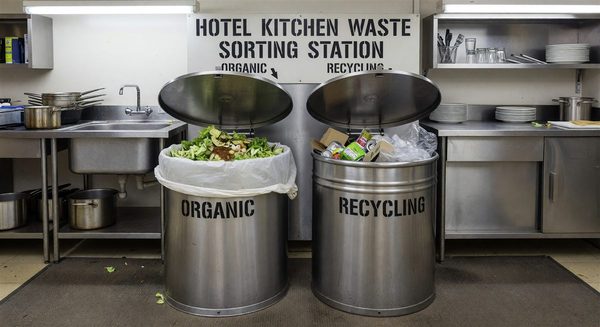
Recycling programs: In-room recycling options for guests, back-of-house recycling programs.
Hazardous waste: Proper management and disposal of hazardous materials (used oil, batteries, fluorescent lamps, refrigerant).
Food waste: Many certifications now include food waste management criteria — donation programs, composting.
Procurement and Supply Chain
Green purchasing policy: Documented purchasing preferences for sustainability-certified products, locally sourced products, and products with reduced environmental impact.
Cleaning products: Requirements for environmentally certified cleaning chemicals — reducing the use of products with high ecological toxicity.
Linens and amenities: Preferences for organic, sustainably sourced, or certified textiles and personal care products.
Choosing the Right Certification
The right certification depends on several factors:
Brand requirements: If you’re operating under a franchise or management agreement, the brand may specify which certification(s) are acceptable or required.
Corporate travel buyer requirements: If a significant portion of your revenue comes from corporate accounts, understand what certifications those buyers recognize and require.
Market recognition: In some markets (particularly Europe), Green Key and Green Globe are well-recognized by leisure travelers. LEED has strong recognition in corporate and real estate markets. ENERGY STAR is recognized in the US hospitality market.
Resource commitment: LEED O+M requires the most extensive documentation and verification. Green Key typically requires less. Be realistic about the internal resources available for certification preparation and ongoing documentation.
Cost: The total cost of certification (program fees + consultant + staff time) should be weighed against the commercial benefit and brand value of the specific certification in your market.
Building the Sustainability Data Foundation
Before pursuing any certification, establish the data infrastructure:
Energy: Enter 12 months of monthly utility bill data into ENERGY STAR Portfolio Manager. Understand your current Energy Score.
Water: Track monthly water consumption from utility bills.
Waste: Work with your waste hauler to obtain a monthly waste generation report. Separate recycling tonnage from general waste.
Baseline assessment: Conduct a self-assessment against the criteria of your target certification to identify gaps. Most certifications provide free self-assessment tools.
FAQ
How long does it take to get certified from starting the process? For a well-prepared property pursuing Green Key or Green Globe, the certification process typically takes 3–6 months from application to certification. LEED O+M preparation takes 12–18 months for most properties. The timeline depends heavily on the property’s existing sustainability infrastructure.
Does LEED certification increase property value? Studies on LEED commercial properties generally show a premium over non-certified comparable properties in sales and lease rates. For hotels specifically, the premium is less well-documented but the operational cost savings (energy, water) and the commercial differentiation with corporate travel buyers have clear value.
Can we pursue sustainability improvements without formal certification? Absolutely — and this is often the right first step. Implement energy management, water conservation, and waste reduction practices. Document performance data. Then evaluate whether the commercial benefits of certification justify the cost in your specific market.
What happens if we fail to maintain certification standards? Certifications typically require annual recertification or renewal. Properties that fall below the minimum standards lose the right to display the certification mark and must disclose this if asked by buyers or partners. Building the sustainability practices into the operations program (rather than treating them as certification activities) is the best protection against this.
Further Reading from Authoritative Sources
- USGBC LEED O+M certification requirements and hotel sustainability standards — USGBC administers the LEED O+M certification program for existing buildings including hotels; its standards, certification requirements, and reference guides are the authoritative source for hotel LEED certification program planning and implementation.
- DOE ENERGY STAR Portfolio Manager and hotel energy benchmarking resources — The DOE Buildings program administers ENERGY STAR Portfolio Manager, the energy benchmarking tool required or recommended by all major hotel sustainability certification programs, and provides hotel energy performance standards applicable to certification baseline establishment.