Fire safety systems are the life safety foundation of every hotel property. Unlike most building systems where a failure creates inconvenience or financial loss, fire safety system failures can result in catastrophic harm to guests, employees, and the property. This stakes-level difference means that fire safety demands a distinctly different management approach — more rigorous, more documented, and less tolerant of deferred maintenance.
For directors of engineering, fire safety system management is one of the responsibilities where the consequences of inadequate attention are most severe.
Hotel Fire Safety System Components
Automatic Sprinkler Systems
Fire sprinkler systems are the most effective life safety tool in a hotel. Properties with fully operational sprinkler systems have an exceptional safety record — structure fires in fully sprinklered buildings rarely result in fatalities.
Most hotels are required to have automatic sprinkler systems throughout, including guestrooms. Older properties may have grandfathered exemptions in certain areas; this is an increasingly scrutinized area as states update their fire codes.
Types of sprinkler systems:
- Wet pipe: Pipes are filled with water under pressure at all times. When a sprinkler head activates (heat melts the fusible element), water flows immediately. Most common system type in hotels.
- Dry pipe: Pipes contain pressurized air or nitrogen; water is held back by a dry pipe valve. When a sprinkler activates, the air pressure drops and the valve opens. Used in areas subject to freezing.
- Pre-action: Requires two events to allow water flow — a fire detection signal and a sprinkler head activating. Used in sensitive areas (data rooms, art storage) where accidental discharge would cause serious damage.
- Deluge: All heads are open (no fusible element); water flows to all heads simultaneously when activated. Used in high-hazard areas.
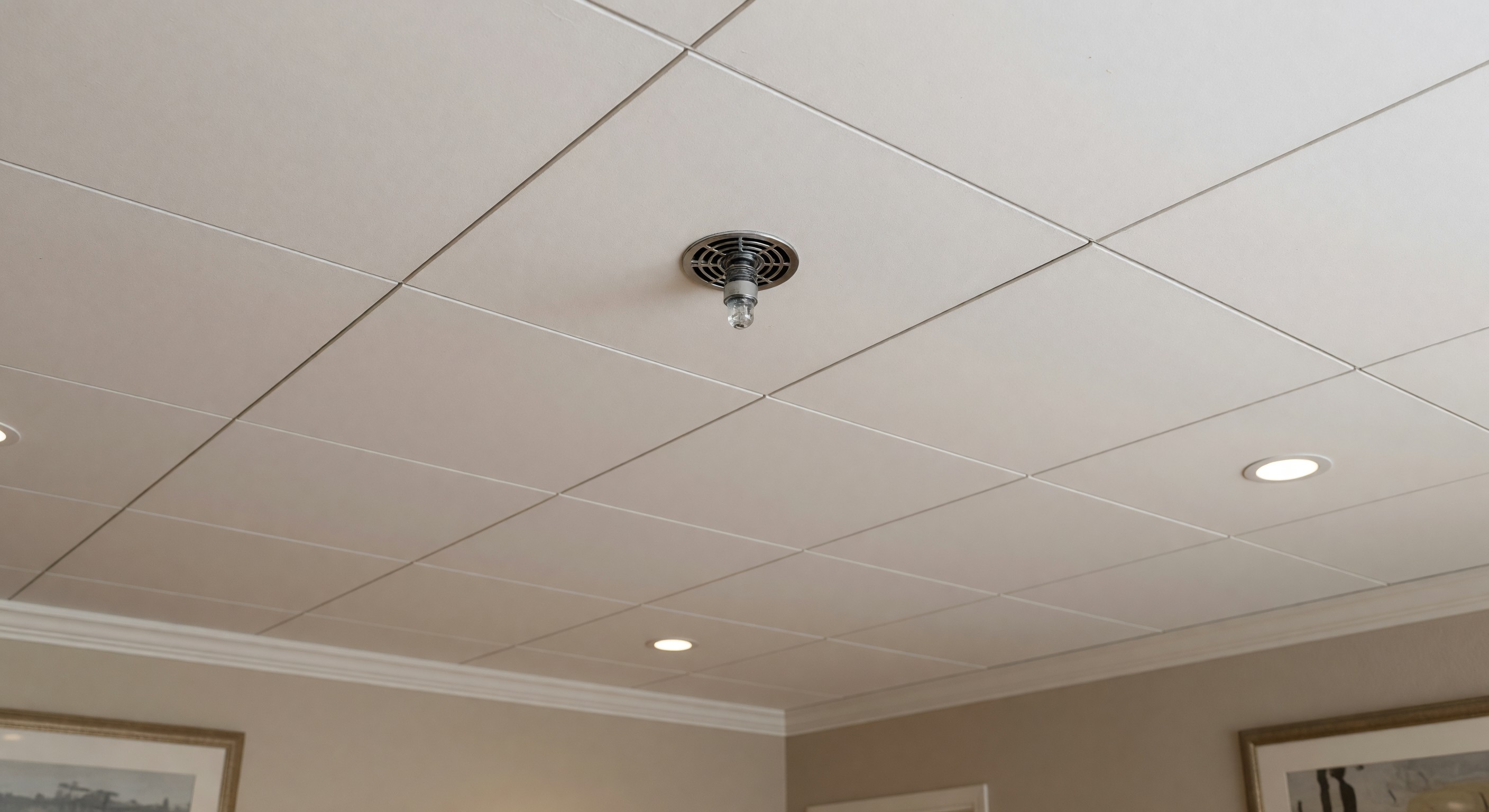
Sprinkler heads: Individual sprinkler heads have a rated activation temperature — typically 135°F or 155°F for most areas. A head that activates melts permanently and must be replaced; it cannot be reset. Keep a supply of spare heads in each temperature rating and fitting type used on the property.
Impairments: Any time the sprinkler system (or a portion of it) is out of service — for testing, repair, or any other reason — the impairment must be managed formally. NFPA 25 (Standard for the Inspection, Testing and Maintenance of Water-Based Fire Protection Systems) requires an Impairment Coordinator and a defined notification and hot-work permit process during impairments.
Fire Alarm Systems
The fire alarm system detects fire conditions and initiates the notification and response processes. Hotel fire alarm systems typically include:
Detection devices: Smoke detectors (ionization and/or photoelectric), heat detectors, carbon monoxide detectors, and flame detectors in specific areas.
Notification appliances: Audible devices (horns, speakers), visual devices (strobes for hearing-impaired guests), and voice evacuation systems in larger properties.
Fire alarm control panel (FACP): The central brain that monitors all detection devices, processes alarms, controls notification, and communicates with monitoring stations and the local fire department.
Auxiliary functions: The FACP can also control door closers, elevator recall, stairwell pressurization, and HVAC shutdown — all important for life safety management during an actual fire.
Suppression Systems Beyond Sprinklers
Hotel kitchens require commercial kitchen fire suppression systems — typically wet chemical systems (Ansul or equivalent) that suppress grease fires in range hoods and cooking equipment. These systems are separate from the building sprinkler system and have their own inspection and maintenance requirements.
Data rooms and critical electrical rooms may have clean agent suppression systems (FM-200 or Novec 1230) that extinguish fires without water damage.
Emergency Lighting and Exit Signage
Emergency lighting activates when normal power fails, providing illumination in corridors, stairwells, and exit paths. Exit signs must be illuminated continuously.
These are tested devices with battery backups (or connection to a generator). NFPA 101 (Life Safety Code) requires monthly 30-second tests and annual 90-minute full discharge tests. Document every test.
Fire Extinguishers
Portable fire extinguishers are distributed throughout the property for first-response use. They require:
- Monthly visual inspection (documented on inspection tag)
- Annual maintenance inspection by a licensed contractor
- Six-year internal inspection (for stored pressure types)
- Hydrostatic test at 12-year intervals
Keep a log of every extinguisher on property with location, type, and inspection history.
Regulatory Framework
Hotel fire safety is regulated by a combination of local fire codes (typically based on the National Fire Protection Association code family), state licensing requirements, and brand standards.
NFPA codes relevant to hotels:
- NFPA 1 (Fire Code) — comprehensive requirements
- NFPA 13 (Sprinkler Systems) — design, installation, and maintenance
- NFPA 25 (Water-Based Fire Protection) — ITM requirements for sprinklers
- NFPA 72 (National Fire Alarm Code) — fire alarm system requirements
- NFPA 101 (Life Safety Code) — occupancy-specific requirements for hotels
Authority Having Jurisdiction (AHJ): Your local fire marshal or fire prevention bureau is the AHJ — the entity that interprets and enforces fire codes for your property. Know your AHJ, their contact information, and their inspection schedule.
Inspection certificates and permits: Many jurisdictions require annual fire alarm and sprinkler inspection certificates. Some require permits for any maintenance or testing work on fire protection systems. Understand your jurisdiction’s requirements.
Testing and Maintenance Requirements
Sprinkler System ITM (Inspection, Testing, Maintenance)
Per NFPA 25, the minimum ITM schedule for a wet pipe sprinkler system includes:
Quarterly:
- Waterflow alarm and supervisory signal tests
- Control valve inspection (verify all valves are in correct position)
- Pressure gauge inspection
- Sprinkler heads visual inspection (check for paint, corrosion, or mechanical damage)
Annual:
- Main drain test
- Dry pipe valve full trip test (for dry pipe systems)
- All control valve inspection
- Antifreeze concentration test (if applicable)
- Fire department connection inspection
5-year:
- Internal inspection of piping and obstruction investigation
- Sprinkler heads sensitivity test (1% of heads replaced with new)
- Pressure reducing valve full flow test
50-year:
- All sprinkler heads replaced or tested
These intervals are minimums. Your local AHJ or state may have more frequent requirements.
Fire Alarm System Testing
Per NFPA 72:
Monthly:
- One smoke detector per zone (rotating through all detectors)
- Manual pull station (select one, rotate)
- Emergency power test (30 seconds minimum)
Semi-annual or annual (varies by device type):
- All initiating devices tested (smoke detectors, heat detectors, pull stations)
- All notification appliances (horns, strobes, speakers)
- Supervisory devices
- Emergency communication systems
- Fire alarm control panel test with monitoring company
Annual (minimum):
- Emergency generator test under load (power fail to fire alarm)
- Emergency lighting 90-minute full discharge test
Kitchen Suppression System
Annual inspection and service is required for commercial kitchen suppression systems. Semi-annual inspection is required if the cooking equipment includes solid-fuel cooking (wood, charcoal). Document every service visit.
The suppression system must be inspected and reset (if it discharged) before the kitchen can return to service after any activation.
Fire Drill and Emergency Procedure
Beyond the physical systems, hotels must maintain:
Guest evacuation procedures: Posted in every guestroom (typically on the back of the door), explaining the evacuation route and procedure.
Employee fire training: All employees must be trained on evacuation procedures, fire alarm recognition, and their specific roles in an emergency.
Fire drills: NFPA 101 requires fire drills for hotel employees. The frequency varies by occupancy classification but typically requires at least one drill per year for each shift.
Impairment and hot work permits: Formal procedures for any work that creates fire risk or requires temporary impairment of fire protection systems.
Documentation Requirements
The documentation requirements for fire safety systems are more extensive than for any other building system:
- Test and inspection records for every device, every visit
- Deficiency logs and correction records
- Impairment records
- Training records (fire drill documentation, employee training)
- System changes (any additions, modifications, or repairs to the fire alarm or sprinkler system)
Store fire safety records for a minimum of 5 years (some jurisdictions require longer) and make them available to the AHJ on request.
FAQ
What happens if we miss a required fire system inspection? The AHJ may issue a notice of violation with a correction timeline. Continued non-compliance can result in fines, operating restrictions, or in extreme cases, occupancy suspension. Beyond the regulatory consequence, there is significant liability exposure from any incident that occurs when required inspections were overdue.
Can we perform fire alarm testing in-house or does it require a licensed contractor? Some routine testing (monthly fire alarm panel checks, extinguisher visual inspections) can be performed by trained in-house staff. Annual system inspections, complex device testing, and any system modifications require a licensed fire protection contractor. Know your jurisdiction’s requirements for contractor licensing.
What should we do if a fire alarm activates and we think it’s a false alarm? Never assume a false alarm without investigating. Dispatch staff immediately to the indicated zone to verify the cause. If it is determined to be a false alarm, document the cause and corrective action. Repeated false alarms from specific detectors indicate either a failing detector or an environmental cause (steam from a shower, cooking in a room) that should be addressed.
How do we handle a sprinkler head that activates accidentally? Turn off the water supply to the affected zone (requires knowing the location of the zone control valve), address the activation source (the head must be replaced before the valve can be reopened), and put the area on fire watch per NFPA 25 until the system is restored. Notify your insurance carrier of any activation event.
Further Reading from Authoritative Sources
- NFPA hotel fire safety standards and inspection requirements — NFPA develops and maintains the fire safety standards (NFPA 13, 25, 72, 101, 1) that define hotel fire safety system inspection, testing, and maintenance requirements — these are the authoritative standards referenced by all state and local fire codes applicable to hotel properties.
- OSHA hotel fire safety and emergency evacuation requirements — OSHA provides workplace fire safety requirements including emergency action plan standards, employee training requirements, and fire extinguisher maintenance obligations applicable to hotel fire safety program design and employee training documentation.