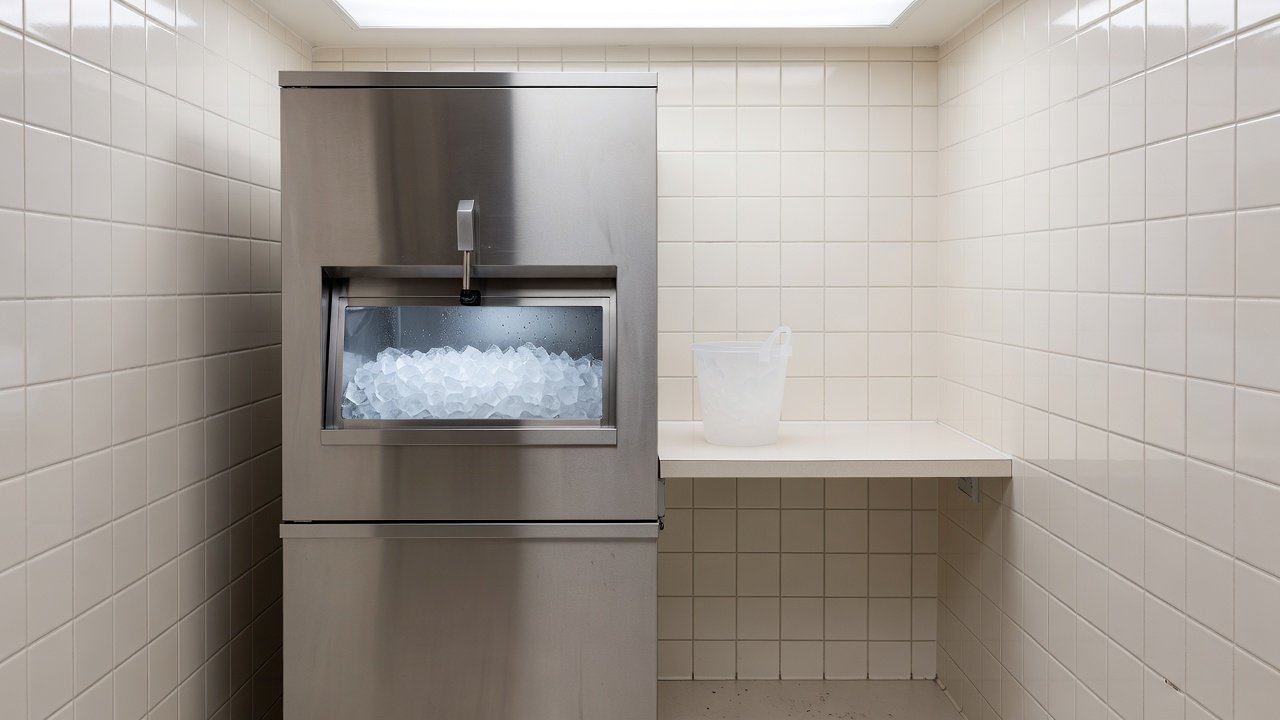
Most hotel water management programs are built around the large assets: the cooling tower, the domestic hot water plant, the pool and the spa. The guest-floor ice machine and the corridor water bottle filler get a sanitation visit from a vendor a few times a year and otherwise sit outside the plan. That is a gap worth closing as properties fold their Legionella programs into the 2026 preventive maintenance calendar, because these machines combine every condition the plan is supposed to control: low water use, warm components and a direct path to guests.
Why ice machines belong in the water management plan
CDC describes a water management program as a continuous process that identifies where Legionella could grow and spread in a building, reduces that risk by monitoring the water system, and triggers action when a risk is found. ASHRAE Standard 188 sets the framework most programs follow. Any device that holds water at the end of a potable line falls inside that scope, whether or not the plan names it.
Hospital investigations show how ice machines fail:
- At UPMC Presbyterian in Pittsburgh, Legionella was found in ice machines after a patient restricted to ice chips died. The building water system had initially tested negative. The machines’ water reservoirs sat near refrigeration compressors that warmed the water, and UPMC sterilized and fitted filters to about 500 ice machines across its facilities.
- At the University of Washington Medical Center, an ice machine and sinks on a cardiac unit were linked to an outbreak that included two deaths.
- At an AdventHealth hospital, reported in 2025 in Antimicrobial Stewardship & Healthcare Epidemiology, a positive patient led to sampling that found Legionella in a low-traffic ice machine. Randomized follow-up testing of 22 machines found 10 positive, a 45.5 percent positivity rate. The hospital identified low use as the main risk factor, began installing flow meters and started removing low-flow machines.
Hotels are not hospitals, and their guests are generally healthier. But the pattern of a machine on a quiet floor, holding warm water that nobody draws for days, describes a lot of hotel ice alcoves, particularly on floors that close during low occupancy or in wings under renovation.
The quarterly audit
Run this per machine and per dispenser, and record the results in the work order system so the history sits with the asset.
1. Inventory and usage
- List every ice machine, ice dispenser, bottle filler and drinking fountain on guest floors, in back-of-house break rooms and in fitness centers. Include the unit’s make, model, location and the date of its last full sanitization.
- Rank them by use. Floors routinely blocked off, wings closed for renovation and machines in low-traffic alcoves are the priority. If occupancy data shows a floor sitting empty for weeks, its machine is effectively stagnant.
- Decide which low-use machines to decommission or consolidate. The AdventHealth response was to remove low-flow machines rather than keep testing them; one well-used machine per two floors may carry less risk than one idle machine per floor.
2. Temperature and placement
- Check where the reservoir and supply line sit relative to the compressor and condenser. The UPMC finding turned on heat from the refrigeration equipment.
- Check ventilation around the unit. A machine in a closed alcove with poor airflow runs hotter.
- Record the incoming cold water temperature at the nearest tap. If the supply line runs warm because it shares a chase with hot water piping, flag it for the water management team.
3. Sanitation and cleaning records
The FDA Food Code treats ice as food and points to the manufacturer’s specified frequency for cleaning ice-making equipment, or, absent that, cleaning often enough to prevent soil and mold accumulation. Local health departments adopt their own versions of the Code, so confirm the requirement with the authority having jurisdiction.
Audit items:
- Does a dated record exist for each full clean and sanitize, matching the manufacturer’s interval?
- Visual check of the bin, chute, splash zone and door gasket for slime, scale, pink or black growth.
- Check the drain line and air gap. A blocked drain leaves standing water in the bin.
- Confirm the sanitizer and descaler in use are the ones the manufacturer approves for that model.
4. Filters
- Record the installation date of each inline filter and its rated capacity. Filters past their change date can become a growth surface rather than a barrier.
- Confirm replacement filters match the specification for the unit. NSF/ANSI 12 is the standard for automatic ice-making equipment; filter cartridges carry their own certifications, which should match what the manufacturer specifies.
5. Water dispensers and bottle fillers
- Check the nozzle and drip tray for buildup and confirm the cleaning frequency on the vendor schedule.
- Record the filter change date and the unit’s usage counter where it has one; a low count on a corridor filler is a stagnation signal.
- Verify the cold-water holding tank, if any, is included in the cleaning scope, not only the exterior.
6. Flushing after low occupancy
Write flushing into the reopening checklist for any floor or wing returning to service: flush the supply line to the machine, discard the first batches of ice and sanitize before guest use. The same applies after any plumbing work on the riser serving the machine.
When to sample
Routine testing for Legionella in ice machines is not universally required for hotels, and testing a handful of machines does not prove the rest are clean; the AdventHealth team found that its quarterly sample of 4 machines out of 270 did not reflect the system’s actual condition. Use sampling where it answers a question: after a positive result elsewhere in the building, after a reported illness, on machines the audit identifies as high-risk, or to verify that a corrective action worked. Use an accredited laboratory, follow the sampling protocol in the water management plan, and decide in advance what result triggers which action.
Fitting it into the program
The audit is not a separate program; it is a set of control points added to the existing one. Name the ice machines and dispensers in the water management plan, assign each a control measure (use, temperature, sanitation interval, filter change) with an acceptable range, and record corrective actions when a check fails. The hotel Legionella water management program article covers the plan structure; the hotel plumbing fixture maintenance program is the natural home for the quarterly task.
Start with the machine nobody uses. A walk of the quietest guest floor, checking the ice bin, the drain and the cleaning log, will show within a few minutes whether this part of the water system is being managed or just tolerated.