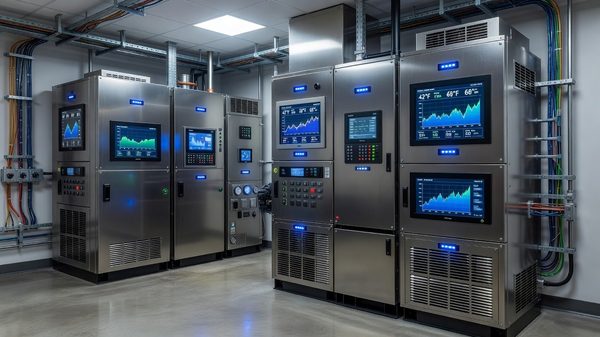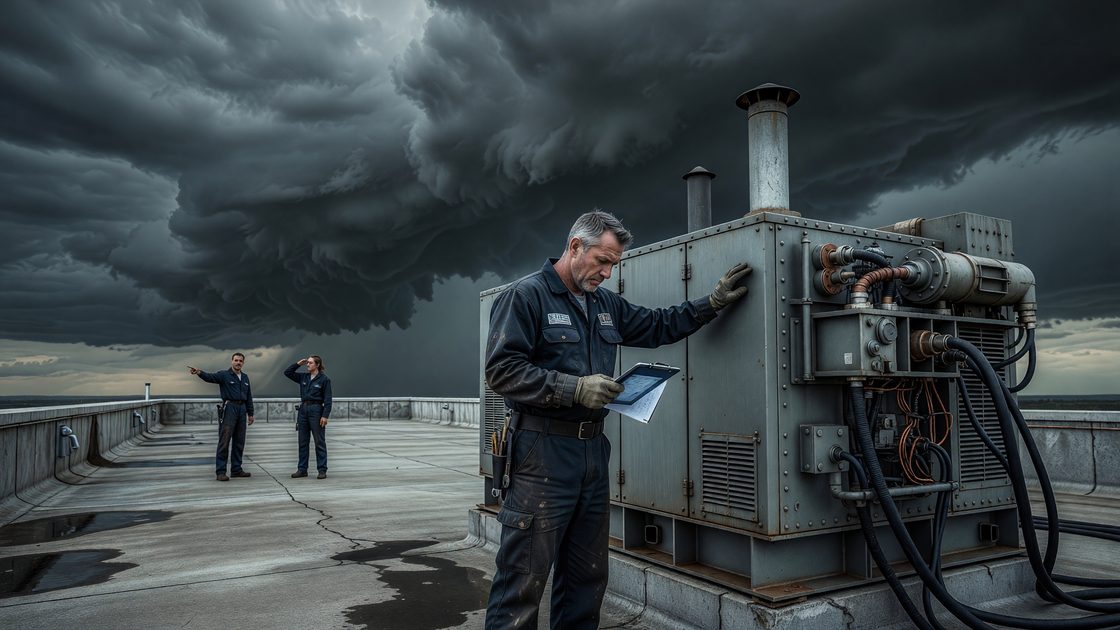
Every Atlantic hurricane season produces the same seasonal forecast headlines, and every season the operational reality for hotel engineering teams is the same regardless of whether the year’s outlook calls for an active or below-normal count: it only takes one storm making landfall near your property to test every system a facility team is responsible for at once. Forecast intensity for the season overall tells you very little about whether this is the year your specific coastline gets hit — the planning posture should be identical either way. What varies year to year is less the underlying checklist and more how disciplined a property is about running it before, rather than during, the first credible storm threat.
Why the Checklist Has to Start Before the Cone of Uncertainty Narrows
The single most common failure mode in hotel storm preparedness isn’t a missing generator or absent shutters — it’s a preparation sequence that only begins once a storm is close enough that the forecast track has firmed up. By that point, fuel suppliers are already fielding a surge of orders from every property in the region, shutter-installation contractors are booked solid, and staff who need to secure their own homes are being asked to prioritize the property’s needs on short notice. The properties that come through a storm cycle with the least disruption are the ones that treat pre-season readiness as a separate, earlier phase from storm-specific activation — testing and staging happens well before an actual storm is even on the map, so the only work remaining once a specific system is being tracked is execution, not discovery of what’s missing.
Generator Readiness: Testing Before You Need It
A backup generator that hasn’t been load-tested under realistic conditions is an unknown quantity precisely when a property can least afford one:
- Run a full load test, not just a no-load start cycle. Many generator maintenance programs default to a brief unloaded start to confirm the unit turns over, which doesn’t reveal whether the unit can actually carry the building’s life-safety and critical-operations load for an extended runtime. A load-bank test under conditions closer to an actual outage scenario is the only way to surface problems — a fuel-delivery issue, a cooling-system limitation, a transfer-switch fault — before they surface during a real event.
- Confirm fuel contracts and delivery priority before the season’s first credible threat, not after. Fuel suppliers prioritize existing contracted customers over spot-market requests once regional demand spikes ahead of a storm, and a property without a standing delivery agreement may find itself far down the priority list exactly when it matters most.
- Verify the transfer switch and load-shedding sequence match current life-safety priorities. Facilities change over time — a renovated wing, a new server room, an added kitchen line — and a load-priority configuration set years ago may no longer reflect which circuits actually need power first during an extended outage.
- Inspect and service the generator enclosure and fuel storage for wind and flood exposure specifically, not just routine mechanical maintenance. A generator that runs perfectly on a test bench but sits in a location vulnerable to storm surge or wind-driven debris is a readiness gap that a standard maintenance log won’t catch.
Storm Shutters and Window Protection: Confirm the Deployment Timeline, Not Just the Inventory
Having storm shutters or impact-rated protection in inventory is only half the readiness question — the other half is whether the property can actually deploy them within the time a real storm timeline allows:
- Time an actual deployment drill, ideally annually before the season starts, rather than assuming the crew that installed shutters last year remembers the sequence and has the staffing to execute it again under time pressure. A deployment that takes twice as long as expected because a step was forgotten is a problem you want to discover in a drill, not during an actual approaching storm.
- Confirm hardware and fasteners are complete and not degraded. Shutter panels stored between seasons are a common source of last-minute failures — missing bolts, corroded track hardware, or panels that don’t match current window openings after a renovation.
- Establish a firm go/no-go decision point tied to storm track timing, not a fixed calendar date. Properties that wait too long to begin deployment because the storm’s exact landfall location was still uncertain risk running out of daylight or safe working conditions before protection is fully installed.
The 72-Hour Pre-Storm Sequence
A structured countdown sequence, worked backward from expected landfall, reduces the risk of a step being skipped under time pressure:
- 72 hours out: Confirm generator fuel level and delivery status, begin storm-shutter deployment if not already staged, review and communicate the utility shutdown sequence to engineering staff, and confirm emergency supply levels (water, non-perishable food, medical supplies) meet the property’s documented minimums.
- 48 hours out: Complete shutter or window-protection deployment, secure or relocate any exterior equipment vulnerable to wind (furniture, signage, loose fixtures), and confirm backup communication methods work independent of commercial cell service, which frequently degrades or fails during major storms.
- 24 hours out: Perform a final generator test run, confirm elevator and life-safety system status, brief all on-site staff on shelter-in-place locations and emergency roles, and begin the documented utility shutdown sequence for non-essential systems if the storm track still points at the property.
- Landfall through storm passage: Maintain the minimum staffing plan required for life-safety monitoring, avoid any exterior inspection or repair work until sustained winds have genuinely subsided to safe levels, and document conditions as they’re observed for the post-storm assessment.
Utility Shutdown Sequencing and Life-Safety Load Priorities
A poorly sequenced utility shutdown creates its own hazards — water damage from a system still pressurized when power fails, or gas-system complications from an incomplete shutoff. A documented, facility-specific shutdown sequence should specify:
- Which systems shut down proactively ahead of expected utility failure, versus which are left running until an actual outage forces the issue. Elevators, for instance, are frequently brought to a safe resting floor and secured ahead of anticipated power loss rather than left running until they fail mid-transit.
- The order of electrical, water, and gas shutdowns, since sequencing matters — shutting off water supply before securing electrical systems in a flood-prone area can leave pumps and other equipment exposed to water intrusion they’d otherwise be protected from.
- Who has the authority to execute each step, so the sequence doesn’t stall waiting on a decision-maker who may not be reachable once storm conditions have already begun.
Shutdown sequencing and load prioritization are two halves of the same problem, because both govern what power the property draws — and from where — once commercial utilities become unreliable. Extended outages can outlast a generator’s fuel supply or exceed its rated capacity if load isn’t managed deliberately. A documented load-priority hierarchy — typically life-safety systems (emergency lighting, fire alarm, elevators for emergency use) first, followed by critical operational systems (limited HVAC for vulnerable areas, refrigeration for food safety), with guest-comfort systems last — prevents the generator from being asked to carry more than it can sustain for the duration of an extended outage. This hierarchy should be reviewed and re-confirmed each season, not treated as a static configuration set once and forgotten.
Post-Storm Assessment: The Checklist Doesn’t End at Landfall
Once conditions are safe enough for exterior inspection, a structured post-storm assessment protects against both immediate hazards and delayed damage discovery:
- Inspect the building envelope and roof systems methodically before restoring normal operations, since storm damage isn’t always visible from ground level and a delayed leak can cause more damage than the storm itself if it goes undetected.
- Document all observed damage with photographs and timestamps before any repair work begins, both for insurance purposes and for an accurate record of what the property actually experienced versus what was merely anticipated.
- Test all building systems methodically before returning them to normal operating mode, rather than assuming a system that appears undamaged is actually functioning correctly after storm stress.
Building the Checklist Into Standing Practice
The properties that manage hurricane season most effectively treat this checklist as a standing seasonal practice — generator load-testing, shutter-deployment drills, fuel-contract renewal, and staff briefings scheduled well before the season’s first credible threat — rather than a reactive scramble triggered by a specific forecast. Given how much of storm readiness depends on steps that take real lead time (fuel contracts, deployment drills, load testing), the actual differentiator between properties that weather a storm cycle smoothly and those that don’t is rarely the checklist content itself — it’s whether the checklist was executed on a pre-season timeline or compressed into the final uncertain days before landfall.
Frequently Asked Questions
How far in advance should hurricane preparedness activities begin each year? Pre-season readiness — generator load-testing, shutter-deployment drills, fuel-contract confirmation — should be complete before the season’s first credible storm threat, not triggered by an actual forecast. This gives the property time to address any gaps discovered during testing rather than discovering them under time pressure.
What’s the most common gap in generator readiness? A generator tested only with a brief no-load start cycle, rather than a full load-bank test that reveals whether the unit can actually sustain the building’s critical load for an extended runtime — the gap that most often surfaces only during an actual outage.
Should all utility systems be shut down proactively ahead of a storm, or only after utility failure occurs? It depends on the system and the property’s specific documented sequence — some systems (like elevators) are typically secured proactively, while others are left running until an actual outage forces the issue. The key requirement is having a documented, facility-specific sequence rather than deciding in the moment.
What should be prioritized if generator capacity can’t cover every system during an extended outage? A documented load-priority hierarchy — life-safety systems first, then critical operational systems such as refrigeration for food safety, with guest-comfort systems last — should be established and reviewed each season. That way, load-shedding decisions during an actual event follow a pre-agreed plan rather than being improvised under pressure while the generator is already running.
What should happen immediately after a storm passes, before restoring normal operations? A methodical building-envelope and systems inspection, with damage documented by photograph before repairs begin, and all systems tested individually before being returned to normal operating mode — storm-related damage isn’t always immediately visible and can worsen if normal operations resume before a proper assessment.
Further Reading from Authoritative Sources
- National Hurricane Center — NOAA — official Atlantic hurricane tracking, forecasts, and seasonal outlooks.
- AHLA — American Hotel & Lodging Association — industry guidance and resources for hotel operations and emergency preparedness.