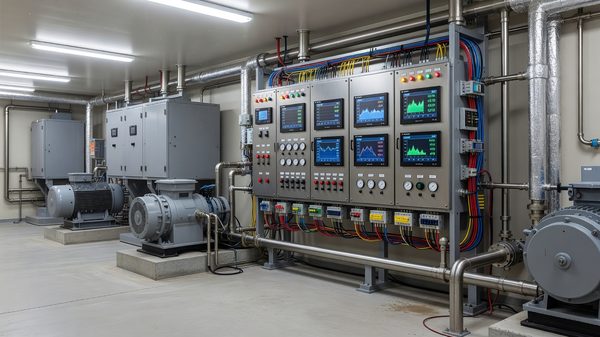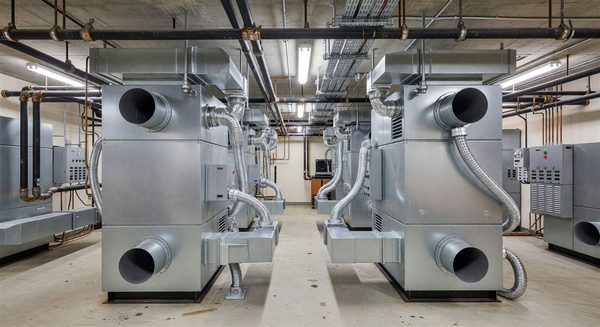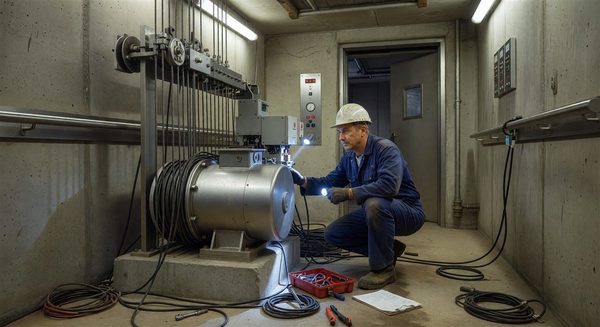
More than half of leisure travelers now compare hotels and short-term rentals before booking — and STR platforms market kitchenettes, local character, and price. Engineering cannot fix brand perception alone, but facility teams control physical differentiators an Airbnb host structurally cannot replicate at scale: guaranteed HVAC performance across every room, life-safety systems tested on schedule, elevator uptime backed by service contracts, and building-wide WiFi with enterprise-grade backhaul. When revenue teams ask why guests should choose the hotel, these are the answers maintenance and capital planning actually deliver.
The STR Threat Is a Systems Comparison
2026 hospitality data shows STR supply growing in urban and resort markets while select-service hotel occupancy softens on shoulder nights. Guests splitting stays — hotel for conference, STR for family extension — compare more than nightly rate:
- Climate reliability — central plant or VRF with 24/7 engineering response vs. window unit in a third-floor walk-up
- Power continuity — generator covering elevators and corridors during outages vs. guest fumbling for phone flashlight
- Connectivity — dedicated property WAN, AP density per floor, staff escalation vs. consumer router reboot instructions
- Accessibility — ADA-compliant routes, elevator certification, audible alarms vs. variable host compliance
Marketing slogans fade when the STR WiFi drops during a kid’s telehealth visit or the hotel elevator works during a thunderstorm. Building systems are the tangible proof.
HVAC: The Invisible Differentiator
Guest complaints about sleep quality track to HVAC more than mattress brand in post-stay surveys. Hotels with preventive maintenance on PTACs, chillers, or boiler loops deliver consistent setpoints; STR inventory varies unit by unit.
Engineering actions:
- Monitor guestroom temperature drift via BMS alarms, not only hot-cold calls
- Replace filters on schedule tied to occupancy, not calendar guesses
- Document SEER/efficiency upgrades for sales team sustainability talking points
Our AI HVAC controls guide covers controls layers; STR hosts rarely invest in occupancy-based reset algorithms.
Backup Power and Life Safety
Hotels above three stories maintain emergency generators tested under NFPA 110 — elevators, egress lighting, fire pumps. STR scattered across neighborhoods cannot offer building-level continuity.
During named-storm grid outages, hotels with fuel contracts and runtime planning become shelters of convenience for stranded travelers — STR guests negotiate extension with individual hosts who may lack power themselves.
Cross-reference our backup power systems overview when capital committees debate generator upgrades vs. marketing spend.
Elevators and Vertical Transportation
Full-service and select-service properties with modernized controllers and service contracts deliver predictable wait times. STR “penthouse” listings in walk-ups exclude mobility-impaired guests entirely.
Log elevator downtime minutes monthly; under 2% unavailable time is a sales-ready metric STR competitors cannot match uniformly.
Building-Wide WiFi and Security Infrastructure
Enterprise WLAN with per-room APs, bandwidth shaping, and onsite escalation beats mesh kits in STR living rooms — especially for remote workers and conference attendees uploading large files.
Physical security layers — CCTV in garages, keyed elevator access, locked service corridors — reduce incidents STR platforms disclaim in terms of service.
Document Mbps per guest and incident response time; revenue management can arm OTA account managers with engineering-verified specs.
Packaging the Engineering Story for Sales
Facility directors rarely speak to guests; translate specs into guest-facing proof:
| System | Guest-facing proof |
|---|---|
| HVAC | “Setpoint within 2°F, 24/7 monitoring” |
| Generator | “Elevators operational during area outages” |
| WiFi | “Dedicated property fiber, <50 ms latency to property gateway” |
| Water | “Legionella management program, temperature logs” |
Train front desk to mention backup power during storm forecasts — engineering did the work; guest-facing staff must know it exists.
What Not to Oversell
Kitchens and square footage — STR wins on extended-stay families. Do not pretend junior suites out-cook a three-bedroom rental. Compete on reliability, safety, and service density instead.
Energy costs rising on hotel common areas while STR hosts externalize utilities to residential rate classes — finance owns rate negotiation; engineering owns load reduction so margin exists to compete on price when needed.
Capital Planning Tie-In
2026–2027 budgets prioritizing WiFi refresh, generator fuel contracts, and chiller reliability deliver STR-comparable marketing claims with audit trails. Skip the claims if maintenance backlog leaves systems reactive.
Hotels beat STR on consistency, not charm. Building systems are where consistency lives — maintain them visibly enough that revenue teams stop selling only rate parity and start selling infrastructure guests can trust.